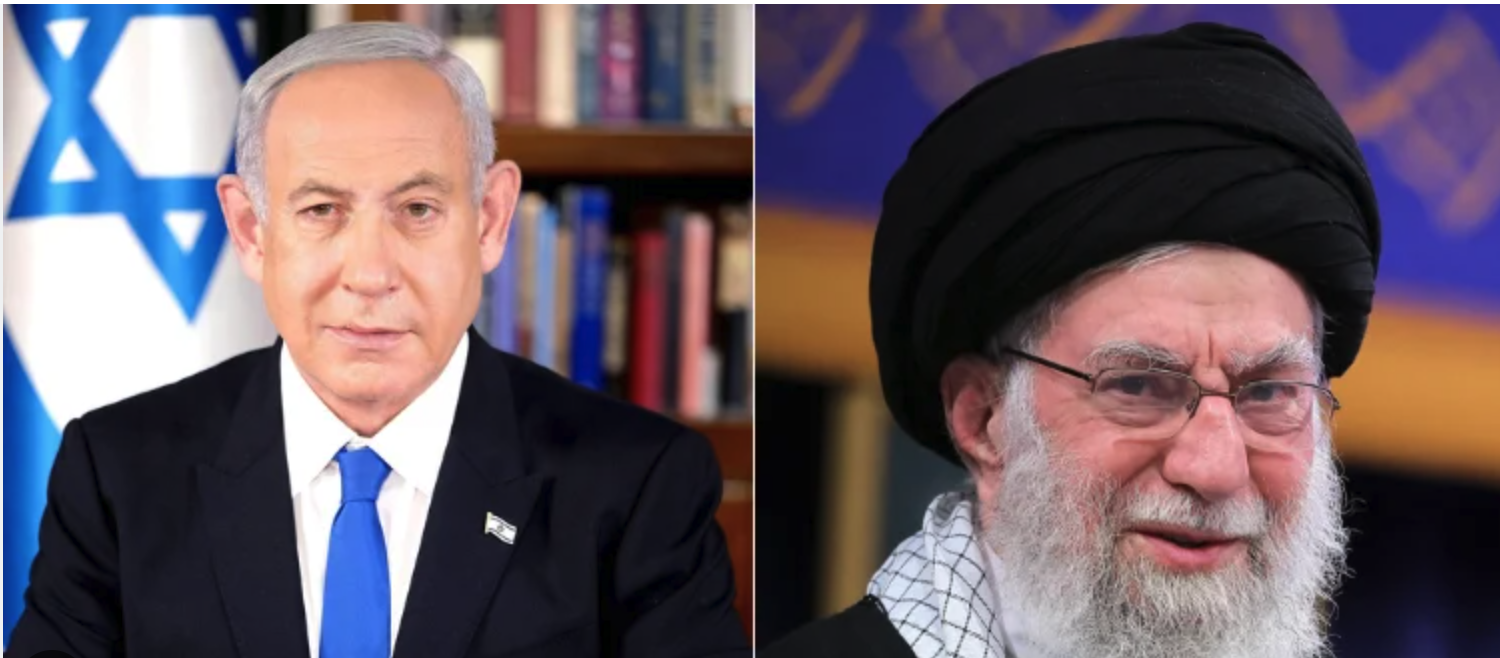
Reports hinting at the potential demise or incapacitation of Iran’s Supreme Leader, Ayatollah Ali Khamenei, following a strike on a Tehran compound, have sent a ripple of uncertainty through global financial markets. While formal confirmation from Iranian officials is lacking, the prospect of a leadership vacuum and succession chaos represents a more profound danger than a typical military escalation, impacting everything from oil and gold to forex and equities. Investors searching for Khamenei gone or Iran succession crisis must understand the multifaceted risks now at play.
Khamenei Gone: Understanding the Market Impact
The initial headlines, suggesting Benjamin Netanyahu believes Iran’s supreme leader is gone, immediately shifted market focus. However, the lack of clean confirmation, with conflicting signals from Iranian officials, means markets are currently pricing in command-chain uncertainty rather than a confirmed death. This nuanced situation is potentially far more destabilizing. A confirmed military strike has a measurable impact, but a possible leadership vacuum in Iran introduces unpredictable variables: who controls retaliation, who can de-escalate, and what the succession process entails. This makes it a market structure story, not merely a geopolitical drama.
Khamenei is not just a symbolic figure; he’s the central node linking foreign policy, domestic controls, deterrence, and red-line decisions. If he is indeed dead, incapacitated, or politically unreachable, markets are now simultaneously pricing retaliation risk, succession risk, and regime-fracture risk. This dangerous mix implies that unlike missile exchanges that can cease, power struggles within Iran are much harder to contain. This is why when markets hear leadership is uncertain, they stop looking for an obituary and immediately start recalibrating probability trees.
Oil: The First Responder to Succession Chaos
For those searching oil price Iran war or oil price Khamenei dead, the immediate answer is volatility. Crude oil doesn't require confirmed physical supply disruptions to spike on such news. A credible rise in the probability of disorder around the Strait of Hormuz, Gulf shipping lanes, regional missile exchanges, and command unpredictability is enough. If succession becomes chaotic, oil traders will anticipate broader retaliation, less predictable actions from regional militias, rising shipping insurance costs, and potential tanker route interruptions, making the Strait of Hormuz’s premium a live concern again.
This means Brent and WTI prices can gap higher not because barrels have disappeared from the market, but because the clarity of who controls the next 72 hours has diminished. This is a clear indicator of how rapidly market sentiment can shift in response to geopolitical developments.
Gold: The Ultimate Chaos Hedge
Gold thrives on uncertainty and a lack of confidence in orderly decision-making. Therefore, the news surrounding Khamenei's status is a potent driver for gold. If markets believe Iran’s internal command structure is unstable, gold benefits significantly from a surge in safe haven assets demand. It also serves as an inflation hedge if oil prices continue to rise due to escalating tensions, and it reflects broader geopolitical uncertainty and policy-credibility fear. In this environment, gold isn’t just a war hedge; it's a chaos hedge, capturing the market's unease with the unfolding situation.
While silver may also see gains, its higher growth sensitivity makes gold the cleaner expression of leadership-risk pricing in such a scenario. Gold is designed for these moments of deep systemic doubt.
Forex: Dollar and Safe-Haven Currencies React
In the foreign exchange market, the immediate reaction to profound leadership uncertainty is typically defensive. This translates to a stronger USD, a stronger CHF, and a stronger JPY in the initial phase, though significant oil price movements can complicate JPY's long-term trajectory. Conversely, high-beta and emerging market currencies often weaken. This defensive shift is especially pronounced if markets perceive that succession risk could prolong conflicts or widen the array of potential outcomes. Even where dollar pegs exist, like in some Gulf nations, stress won't be eliminated but will manifest in sovereign-risk pricing, bank funding spreads, regional credit conditions, and local equity discount rates. Therefore, while spot FX might appear calm, underlying signals emerge elsewhere.
Equities: Sector Rotation and Vulnerable Segments
The equity market's first reaction to such a significant geopolitical headline is rarely subtle. Likely relative winners would include energy stocks, defense and aerospace companies, and firms with substantial gold and real-asset exposures. Selected defensive sectors with resilient cash flows might also outperform. Conversely, sectors like airlines, tourism and travel, fuel-sensitive cyclicals, and consumer discretionary companies are likely to be relative losers. Fragile high-beta growth stocks could also suffer if rates volatility increases alongside oil prices. The crucial takeaway is that a Khamenei death scare can deepen the existing war rotation, affecting specific sectors heavily even if the broader index doesn't immediately collapse. This is how danger often hides in market movements, with real economy-facing names bearing the brunt while some sectors temporarily hold up.
Bonds and Rates: The Challenge of Pricing Uncertainty
Leadership chaos in Iran presents a classic rates quandary, pulling yields in opposing directions. On one hand, a risk-off sentiment could lead to buying Treasuries, pushing yields down. On the other, an oil shock could drive higher inflation expectations and increase the term premium, pushing yields up. Therefore, the most probable near-term outcome isn't a clear directional move but rather increased rates volatility. If the situation proves to be a short-lived shock followed by clarity, duration could perform well. However, if it leads to wider conflict and persistent oil price stress, the inflation channel will likely dominate. In such complex scenarios, the cleanest trade is often not bonds themselves, but volatility.
Credit Markets: A Litmus Test for Regime Risk
Credit markets often prove to be reliable indicators after the initial emotional market movements. If the Khamenei story is perceived to shorten the conflict, spreads might stabilize post-shock. However, if it's interpreted as opening up a succession battle or the risk of decentralized retaliation, then high yield spreads will widen, travel and fuel-sensitive issuers will underperform, financing windows will narrow, and broader risk appetite will weaken. This is the real test. A combination of rising oil and gold prices, alongside widening credit spreads, would strongly signal that the market is transitioning from a mere headline shock to pricing in a full-blown regime shock. This is indicative of prolonged uncertainty and increased risk perception.
Crypto: A Liquidity Stress Indicator, Not a War-Hedge
For crypto traders searching bitcoin war risk or Khamenei market impact, it's essential to think in phases. The initial phase typically involves de-risking. When leverage is high and geopolitical headlines destabilize, assets like Bitcoin and Ethereum can decline along with other risk assets. The subsequent phase depends on whether the market interprets the situation as short-lived military noise or a broader breakdown in policy and geopolitical order. Currently, the immediate reaction in crypto markets is more likely related to leverage and liquidity management rather than ideological shifts regarding censorship resistance. This highlights that crypto, despite decentralization narratives, remains susceptible to global risk-off events.
The Deeper Risk: Succession Chaos Over Military Conflict
The most critical, yet least understood, aspect for markets is the potential for genuine succession chaos if Khamenei is truly gone. This scenario could lead to several paths:
- Scenario 1: Tighter Hardline Consolidation. The system rapidly closes ranks, retaliates forcefully, and projects continuity. Markets would then price heightened military risk but less internal fragmentation.
- Scenario 2: Elite Fragmentation. The IRGC, clerical institutions, and political factions engage in a power struggle. This would lead markets to price more chaos, a higher oil premium, increased safe-haven demand, and a longer conflict trajectory.
- Scenario 3: Internal Crack and Negotiated Pause. The shock weakens Tehran’s appetite for escalation, opening a path toward de-escalation. Markets would initially spike in fear but reverse once continuity risk diminishes.
The challenge is that markets cannot immediately discern which path is unfolding, leading to potentially violent early movements. For Israel, this paradox means that while a strike may target the top, immediate retaliation risk could rise if control fragments. For Gulf nations like Bahrain, Qatar, Kuwait, Dubai, and Abu Dhabi, the risk environment becomes more dangerous due to less centralized missile control, prolonged shipping and aviation disruptions, weakened investor confidence in regional stability, and a sustained geopolitical premium in oil and gas markets. This single headline, therefore, reverberates across every balance sheet in the region.
What to Watch Next
Traders and investors should closely monitor several key indicators:
- Whether Iran provides consistent formal confirmation or denial of Khamenei’s status.
- Confirmation of any promised public appearances or credible addresses.
- Any shifts in tone, language, or command structures within the IRGC or other power centers.
- Whether retaliation efforts remain disciplined or become more erratic.
- Any further increase in the Strait of Hormuz risk premium.
- The correlated movements of oil, gold, and credit markets upon their full reopening.
The bottom line is that this is one of the most market-sensitive headlines of the conflict because it extends beyond a mere strike to questions about Iran’s political center. While a missile can be intercepted, a succession crisis cannot. If Khamenei is alive and clearly in control, some of the market premium might dissipate. However, if he is truly dead, gone, or effectively unreachable, markets will cease trading mere war risk and begin pricing a full-scale regime transition. This is a significantly larger and more dangerous story for global markets.