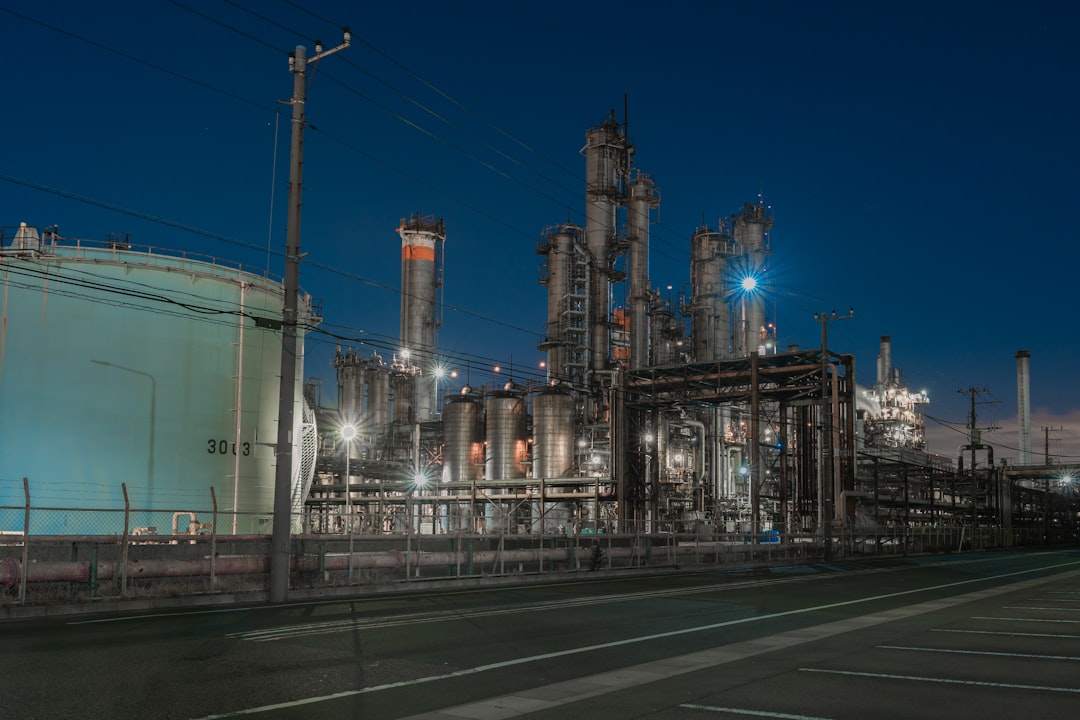
Crude prices eased from the prior session’s highs but remained elevated enough to keep central banks, bond traders, and equity investors under significant pressure. The distinction matters for global markets: energy prices do not need to rise every day for macro damage to persist; they simply need to stay high long enough to lift headline inflation and squeeze real incomes.
Duration Pricing: Why Oil Levels Matter More Than Spikes
The market has shifted from shock pricing to duration pricing. While the CL=F price live feed may show a cooling from peak volatility, the plateauing at these levels suggests a long-term impact on the real economy. How long this lasts determines how much of the energy cost passes into the underlying CPI data. It is currently a critical time to monitor the CL=F chart live for signs of structural support building at these higher ranges.
Central banks generally ignore temporary energy moves if expectations stay anchored. However, they cannot ignore a persistent shock that feeds into wages, transport costs, and broader price setting. This is why we are seeing the CL=F live chart remain a center of attention for fixed-income traders, as yields have been reluctant to rally even when equities wobble.
FX and Equity Market Impact
FX markets are currently sorting winners and losers by energy exposure. The search for a CL=F realtime edge is evident as oil exporters find relative support while importers face balance-of-payments pressure. The dollar continues to benefit from safe-haven demand and higher yields, though a prolonged energy shock can eventually complicate the U.S. growth outlook as well. For those tracking commodity-sensitive currencies, the CL=F live rate is the primary driver of current volatility.
Equities are trading the margin map with extreme precision. Energy producers and defense-linked names benefit from the crude oil price maintenance above historical averages. Conversely, sectors like airlines, chemicals, and autos face immense cost pressure. Investors tracking the crude oil chart will note that the sector rotation is becoming increasingly defensive and inflation-aware.
Technical Levels and Credit Risks
In terms of execution, the crude oil live data suggests high-yield issuers in upstream production may see temporary credit support. However, credit investors must remain wary of transport and manufacturing borrowers. As the oil price remains elevated, refinancing costs stays high, exposing the weaker segments of the credit market to potential defaults if central banks remain restrictive.
What to watch next is not just the Brent headline, but the secondary indicators like diesel cracks and refinery margins. A clean decline would provide relief, but a plateau at these levels would be dangerous as it slowly works its way through policy expectations and global margins.