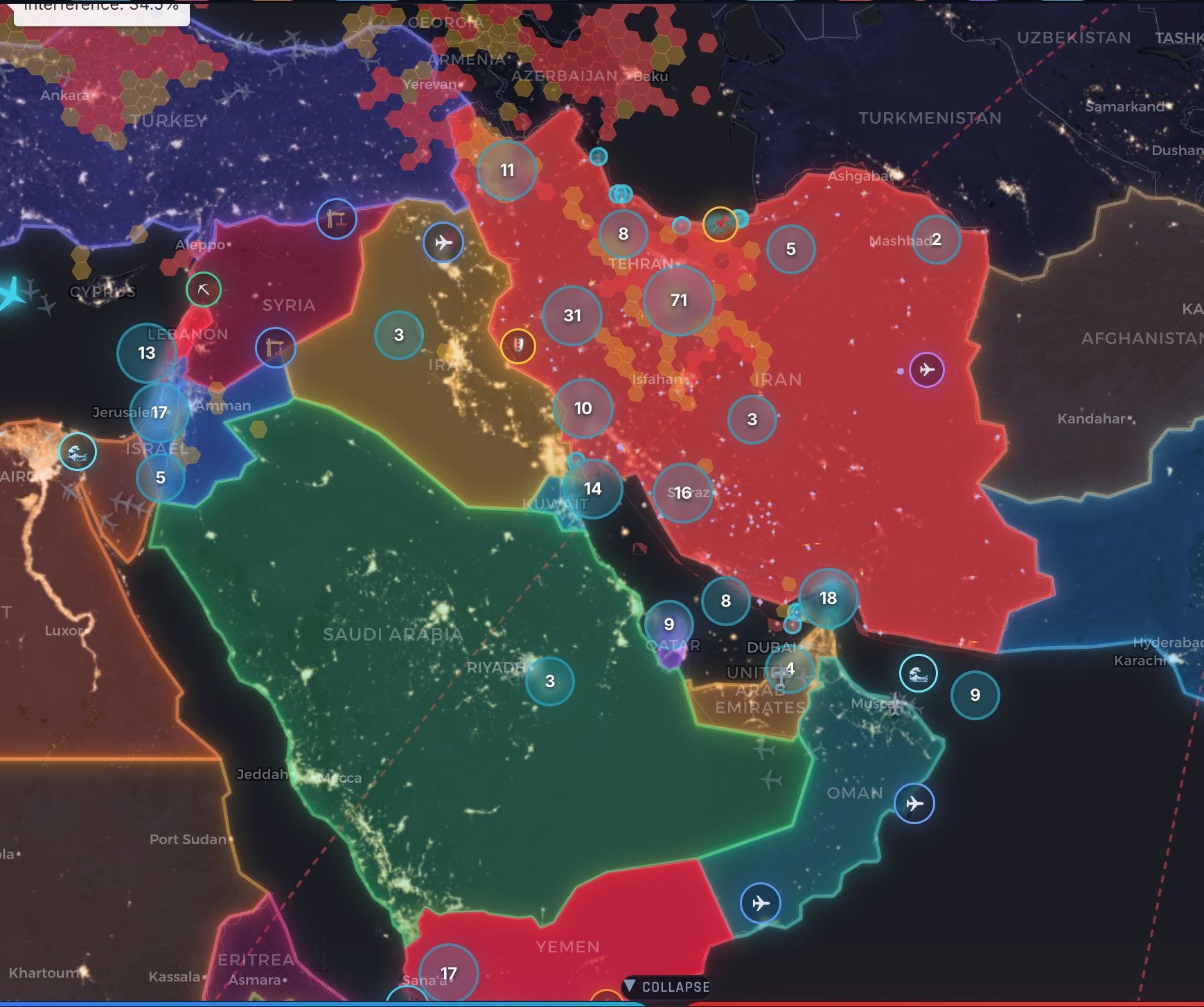
The geopolitical landscape has dramatically shifted from diplomatic stalemates to active military engagement, fundamentally altering market dynamics. What started as concerns over 'us iran talks latest' has now spiraled into a live war-risk pricing event, with immediate repercussions across global asset classes. The narrative is no longer about negotiations but about managing the fallout from direct conflict between the United States and Iran, intensifying fears of a broader 'middle east war market impact'.
On Thursday, February 26, 2026, the absence of a breakthrough in U.S.-Iran talks in Geneva left markets bracing for headline risk. This apprehension materialized on Saturday, February 28, 2026, when major strikes by the U.S. and Israel on Iranian targets led to immediate retaliation from Iran. This escalation has ignited concerns over an energy chokepoint, inflation shock risk, and cross-asset contagion, ushering in a new market regime.
From Talks to Targets: A Global Market Repricing Event
When diplomatic efforts fail, markets can still cling to hope. However, the initiation of military strikes removes all ambiguity, forcing an immediate repricing of risk. This 'stock market war' scenario transcends previous estimations, extending its reach through several critical channels. These include potential oil and refined-product disruption, severe stress on Strait of Hormuz shipping and insurance, a flight to safe-haven assets, significant equity rotation, and a broad expansion of volatility across bonds, credit, and even crypto assets. These are not theoretical outcomes; they are now actively influencing every 'iran us war news today' update.
The urgency of the situation means market participants are actively searching for 'oil price iran war' and 'gold price war' as primary indicators of escalating tensions. The financial world is now grappling with what a 'world war 3 risk' implies for investment strategies and economic stability. Global risk assets are poised for a significant repricing as the full implications of these events unfold.
Commodities: The Epicenter of the Shock
The 'oil price iran war' is undeniably at the heart of this unfolding crisis. Escalation increases the probability of disruption through the Strait of Hormuz, a critical shipping lane. Even without confirmed long-duration supply destruction, the rising likelihood of such events drives a geopolitical premium into crude prices. Key indicators to watch include Brent and WTI spot prices, the front end of the futures curve, diesel and jet-fuel spreads, and shipping insurance costs. If front-month oil prices significantly outpace back-month prices, it signals the market is pricing in operational risk, not just fear. For those monitoring 'crude oil price middle east war', this is a critical distinction.
Safe Havens: Gold, USD, and Beyond
The 'gold price war' narrative gains significant traction during periods of military uncertainty. Gold serves as the quintessential safe-haven asset when confidence in the inflation path, interest rates, and geopolitical stability wanes. Its rise typically signals a trifecta of increasing military uncertainty, less predictable inflation, and declining trust in policy control. While silver can follow gold, its higher growth sensitivity might lead it to underperform if broader global slowdowns are priced into the market. Simultaneously, the U.S. dollar, closely watched as 'usd safe haven', benefits from capital flight to safety, reflecting immediate shifts in global liquidity.
Forex: The Immediate Fear Barometer
The foreign exchange market often acts as the fastest scoreboard for fear, funding pressures, and energy exposure. Safe-haven currencies like the USD, CHF, and JPY typically strengthen, though high oil prices can complicate the JPY's long-term outlook. Conversely, EM FX with weak external balances, high-carry currencies, oil-importer currencies, and risk-sensitive crosses are likely to face significant pressure. The simultaneous bidding up of the dollar, yen, and franc alongside rising oil prices is a clear signal of markets seeking protection.
Bonds and Rates: A Complex Calculus
The current 'iran us war update' creates a classic conflict for bond markets. One segment anticipates growth deceleration, prompting demand for duration, which leads to lower yields. However, another segment foresees escalating oil prices and inflation, driving demand for higher inflation compensation. This delicate balance creates potential instability, characterized by initial safe-haven Treasury buying followed by higher inflation breakevens. If the conflict remains contained, duration might offer some protection. Yet, a prolonged conflict with sustained high oil prices could see the inflation channel dominate, making rates volatility a crucial metric.
Equities and Credit: Segmented Impacts
The idea of a blanket 'stock market war' crash is simplistic. Instead, the market will likely see significant sector and factor rotation. Energy producers, defense industries, gold miners, and selected real-asset exposures are likely to be relative winners. In contrast, airlines, travel, leisure, consumer discretionary sectors (due to fuel and confidence shocks), and fragile high-beta growth stocks will likely underperform. This nuanced rotation can mask broader market damage; index performance might appear resilient while underlying sectors experience significant stress. The credit market, often a truth-detector, will reveal whether this is a contained event or a path to broader macro damage. Widening high-yield spreads and thinning liquidity would signal a more severe escalation scenario.
Crypto: A Liquidity and Leverage Barometer
For those questioning 'bitcoin war risk' or 'crypto war risk', it's crucial to understand that crypto often acts as a liquidity and leverage barometer rather than a traditional war hedge. In the initial stage, crypto assets typically undergo de-risking and leverage reduction, correlating with broader risk-off moves. Early Saturday's drops in Bitcoin and Ethereum underscore this pattern. The second stage depends on whether dollar strength and rates volatility persist, keeping crypto pressured, or if the market eventually rotates into an anti-fiat or anti-policy-confidence narrative, which could stabilize the crypto market.
The Hidden Channel: Shipping, Freight, and Insurance
Often overlooked by retail traders, the impact on shipping, freight, and insurance costs can transform a regional crisis into a global inflation event. Increased route risk through the Gulf, coupled with jumps in insurance and freight expenses, directly affects fuel costs, input prices, and airline economics. This immediate repricing of logistics acts as a critical bridge between military conflict and broader macroeconomic implications, directly influencing inflation expectations and central bank communication.
Scenarios and Critical Indicators
Market participants are now weighing three primary scenarios: fast containment, a long retaliation cycle, or a severe disruption of the Strait of Hormuz. The latter is the 'strait of hormuz closure' scenario, which would inflict a global macro shock, sending oil prices surging and significantly delaying or repricing central bank easing hopes. Monitoring specific indicators will be crucial to navigating this volatile period: headlines regarding the Strait of Hormuz, shipping insurance quotes, the sustained nature of Brent and WTI price gaps, gold and dollar correlation, performance disparities between airlines/EM FX and broad indices, Treasury yield movements juxtaposed with inflation hedges, crypto deleveraging, and the potential for broader regional involvement beyond immediate Iran-US actions.
Bottom Line: A New Pricing Regime
The current environment marks a definitive shift from a diplomacy watch list to active 'iran us war news today' updates. The last two days have fundamentally altered the pricing regime across every major asset class. Commodities are now navigating disruption risk, forex is trading fear and funding, bonds are balancing growth versus inflation, equities are undergoing significant rotation, credit measures durability, and crypto gauges liquidity stress. The initial market movements are evident, but the magnitude of the larger shift will hinge on whether this period represents a short, violent shock or the genesis of a prolonged 'middle east conflict market impact' and geopolitical instability.