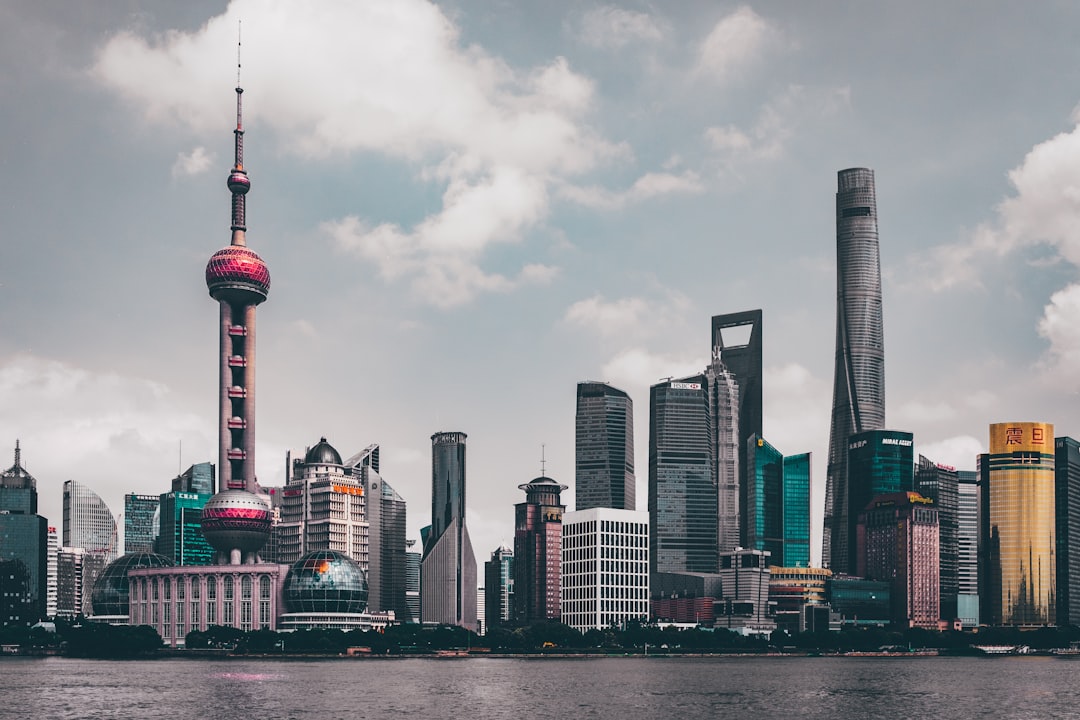
In a quiet but significant development, trade policy has re-emerged as a pivotal macro variable, with senior US and Chinese economic officials convening in Paris. These discussions, designed to preserve the existing trade truce, are crucial for paving the way for a late-March meeting between Donald Trump and Xi Jinping in Beijing. While expectations for an immediate breakthrough are tempered, the timing of these talks alongside the ongoing Gulf energy shock underscores their immense importance for global economic stability.
The Stakes in Paris: Averting a Double Macro Shock
The agenda for the Paris talks is extensive and highly consequential, encompassing critical issues such as existing tariffs, the control of rare earth minerals and magnets, advanced technology export controls, and Chinese commitments to purchasing US farm products. The fact that these negotiations are happening against a backdrop of significant global economic pressure, largely driven by energy market volatility, elevates their relevance.
A collapse or even a significant deterioration in US-China trade relations would effectively introduce a second major macro stressor. This comes at a time when markets are already navigating escalating oil and freight risks. Preventing such an outcome is paramount, as the global economy is ill-equipped to absorb a trade shock on top of an energy shock. The overarching sentiment is that markets prioritize stability, seeking assurance that the current truce can be maintained while both governments manage other sources of strain.
Rare Earths, Energy Vulnerability, and Market Implications
A key element of these discussions revolves around rare earth minerals. This issue is particularly sensitive as it lies at the critical juncture of industrial policy, aerospace, semiconductor manufacturing, and defense capabilities. Any disruption to the supply of these essential materials would directly amplify supply-chain anxiety for high-value manufacturing sectors worldwide. This highlights the intricate web of global dependencies that these trade talks aim to protect.
Furthermore, an energy dimension adds another layer of complexity. China's substantial reliance on oil flows linked to the Hormuz Strait means that the broader trade conversation is unfolding within a context of direct commodity vulnerability. This makes the Paris meeting more than just a bilateral negotiation; it forms a crucial part of the collective effort to shield the global economy from absorbing concomitant trade and energy shocks. The dynamics of commodities price live are inextricably linked to such geopolitical stability.
Market Impact: From FX to Credit
The potential outcomes of these trade talks reverberate across various financial markets. In foreign exchange (FX), the stability or instability of US-China trade relations directly impacts global growth expectations and overall risk appetite, with particular sensitivity observed across Asian currencies. For equities, sectors such as industrials, semiconductors, aerospace, and agricultural exporters have a direct and significant stake in a favorable resolution. Investors closely watch how these talks influence the overall market sentiment, which can affect the Gold price soars scenarios.
In commodities, the implications are broad, ranging from confidence in crude demand to the security of rare earth supply chains and the trajectory of agricultural trade flows. Any positive signal of stability can provide a much-needed boost. For instance, enhanced trade confidence could influence the Crude Oil CL=F price dynamics. In rates markets, evidence that the trade truce is stabilizing could modestly alleviate recession fears, although it would do little to resolve the underlying energy-driven inflation pressure. Credit markets also closely monitor these developments, as trade stability anchors investment plans and working-capital assumptions for companies with cross-border manufacturing exposure. A trade breakdown at this juncture would significantly increase the probability of renewed tariff stress, hitting at exactly an inopportune moment for global finance.
The Path Forward: Damage Control and Key Indicators
The immediate focus following the Paris talks will be on whether a clear signal emerges indicating both sides' commitment to continuity over escalation. Beyond that, investors will be scrutinizing any developments related to export controls, the security of rare earth supply, and whether Beijing demonstrates a willingness to increase purchases of US goods in the lead-up to the leaders' meeting. While this is not yet a narrative of significant breakthroughs, it is definitively a story of damage control. In the prevailing global environment, where markets are already contending with one substantial geopolitical price shock, averting a second one is, by itself, a critical success.