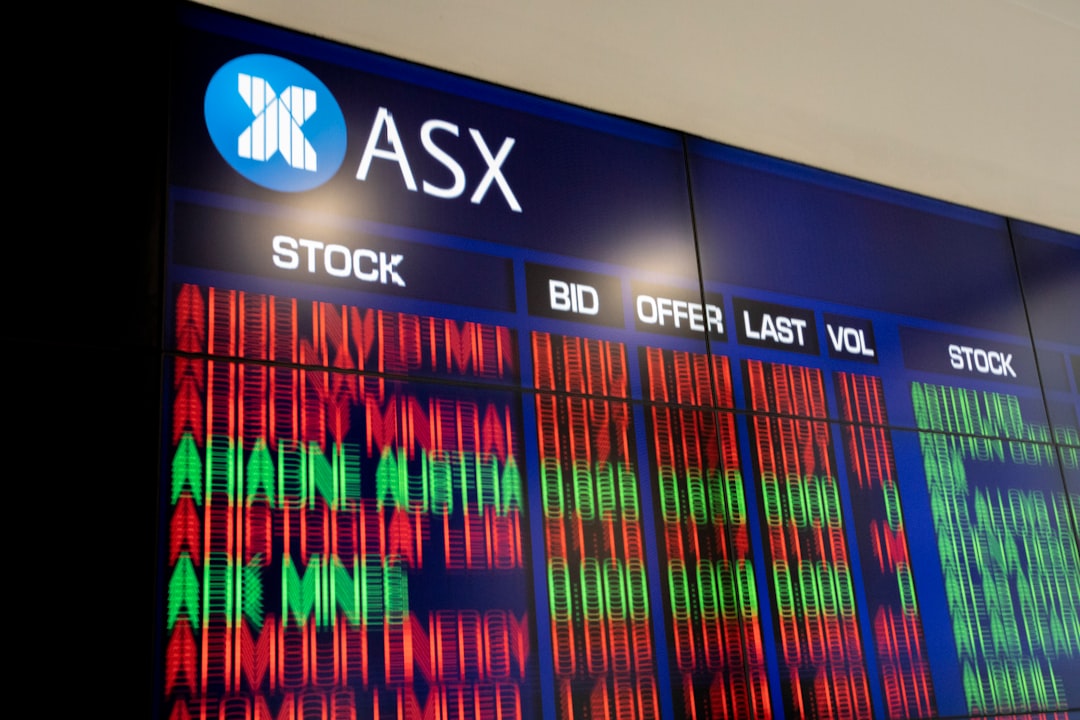
The Reserve Bank of Australia (RBA) continues to send a clear message: inflation remains too high. Recent data, while shaping the margins of the macroeconomic narrative, strengthens the case for a prolonged period of restrictive monetary policy, impacting the AUD and financial market dynamics.
RBA's Stance: Sticky Core Inflation and Robust Lending
Despite some cooling in headline figures, Australia's core inflation for Q4 stands at a notable 3.4%, well above the RBA's comfort zone. This persistence in underlying price pressures significantly raises the bar for any potential interest rate cuts. Adding to this complexity is the robust 9.5% increase in mortgage lending during Q4, indicating that the housing-credit channel remains active. Such strong credit growth can inadvertently loosen financial conditions, potentially fueling inflation through housing services and rents, thereby prolonging the period of restrictive policy.
For traders tracking the AUD/USD price live, the RBA's hawkish stance is a critical factor. While relative interest rates play a significant role in currency valuation, the Australian dollar remains inherently risk-sensitive. A hawkish RBA can provide support to the AUD through attractive yield differentials, especially if global risk sentiment remains stable. However, a deterioration in global risk appetite could see the AUD weaken, even with higher domestic rates. The AUD USD realtime movements will be heavily influenced by these intertwined factors.
Key Indicators for Future RBA Policy
Looking ahead, the most insightful indicators for gauging future RBA policy will be services inflation and wage dynamics. Should core inflation continue its gradual decline, coupled with a cooling in housing credit growth, rate cuts could become a plausible scenario later in the year. Conversely, if housing credit remains firm, the RBA may be compelled to maintain its restrictive stance for longer than market expectations. This emphasizes the importance of monitoring the AUD USD chart live for shifts in market sentiment.
The interplay of these economic factors directly influences the front end of the yield curve and dictates whether the market is operating in a risk-on or risk-off regime, especially given the RBA's data-dependent approach. Traders seeking real-time updates for their strategies will closely watch the AUD to USD live rate. These are the details that matter in a nuanced policy environment.
What to Watch Next for the Australian Economy
Market participants will be scrutinizing several upcoming data releases. These include future inflation prints, particularly focusing on the persistence of services and core inflation. Housing indicators such as prices, building approvals, and further credit growth statistics will provide insights into the effectiveness of current policies. Additionally, the labor market, with a focus on wage momentum and existing slack, will be crucial. The market is increasingly looking for validation across a range of related indicators rather than drawing conclusions from a single data point. The current AUD/USD price live reflects these ongoing uncertainties.
Risk Management and Nuance in Trading
The bottom line is that while recent data nudges the baseline for RBA policy, it significantly elevates the premium on effective risk management. Traders must remain vigilant in interpreting second-order details and their broader implications for the market. Understanding the nuances of economic data and their potential impact on currency movements is paramount for successful trading strategies, particularly for the AUD USD live chart. This intricate dance between economic data, central bank policy, and market reaction is what defines the "Aussie dollar live" trading experience.
The AUDUSD price live will continue to respond as these indicators unfold, offering both challenges and opportunities for informed traders. Staying abreast of these developments will be key to navigating the complex Australian macroeconomic landscape.