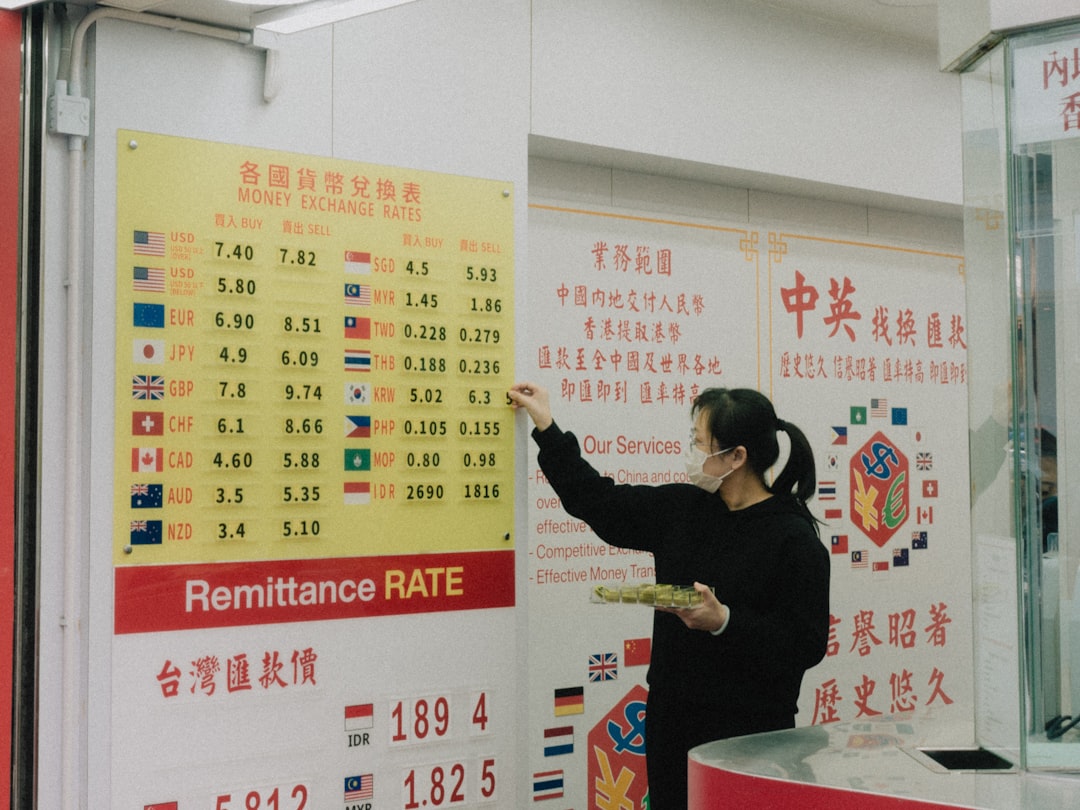
China's latest economic indicators paint a clear picture of persistent disinflationary pressures, with year-on-year Consumer Price Index (CPI) registering a modest 0.2% in January and the Producer Price Index (PPI) falling by 1.4%. These figures underscore a continued environment of weak pricing power and moderate demand, keeping the spotlight firmly on the potential for further policy easing from Beijing.
Understanding China's Latest Inflation Readings
The headline CPI at 0.2% and core CPI cooling to 0.8% in January from a previous 1.2% are significant. Even more telling is the persistent deflation in producer prices, with the PPI at -1.4%. This combination signals an environment where demand is recovering slowly relative to available supply, leaving businesses with limited ability to raise prices. Such conditions often lead to cautious capital expenditure, even if sales volumes remain stable.
For global financial markets, understanding the China inflation profile is a critical cross-asset variable. A more disinflationary China typically offers a supportive backdrop for lower global goods inflation, which can be beneficial for importing nations. The situation also affects the yuan, with movements monitored closely by those watching USD/CNH: Tactical Plan for 6.9600 Amidst Mixed Signals for potential interventions or natural market shifts. However, for industrial commodities and cyclical sectors, the outlook can be mixed if demand expectations remain fragile. The critical question for policymakers now revolves around implementing targeted easing measures effectively to stimulate household demand without inadvertently reigniting leverage risks within the economy.
Impact of Persistent PPI Deflation
Persistent PPI deflation like the -1.4% recorded holds considerable weight for corporate profits and investment decisions. When Iron Ore Price Consolidates Around $100 Amid Mixed Macro Signals, or other commodity prices fluctuate, it directly impacts the input costs for many Chinese industries. This sustained downward pressure on producer prices compresses profit margins for manufacturers and can lead to delays in capital expenditure, even when overall sales volumes show stability. Moreover, it reinforces an environment where Chinese exports maintain their competitive pricing edge, potentially disseminating disinflationary pressures globally through goods trade channels.
Global Market Implications and Policy Responses
The current disinflationary trend in China is not an isolated event; it represents a significant cross-asset variable for global markets. For instance, while it may contribute to lower global goods inflation, its impact on industrial commodities such as crude oil, where Crude Oil Market Dynamics: Geopolitics & Dollar Drive Price Action, can be dynamic, depending on demand expectations. The central policy challenge for China is to devise easing strategies that are precise enough to boost domestic household consumption without re-inflating debt bubbles. The efficacy of any such measures will largely depend on their ability to improve the 'conditional path' for both policy and real economic activity.
Key Indicators for Future Monitoring
To gauge the effectiveness of China's economic policies and the trajectory of its recovery, several key indicators warrant close attention:
- Credit Growth and Policy Transmission: Monitoring whether monetary easing is effectively reaching households and small-to-medium enterprises (SMEs) will be crucial.
- Housing Stabilization Signals: The property sector remains a vital confidence channel, and any signs of stabilization or recovery will be closely watched.
- Commodity Demand Indicators: Observing inventory behavior and import trends in key commodities will provide insights into underlying industrial demand.
Ultimately, the follow-through on these metrics matters more than the initial reaction to the CPI and PPI data. Confirmation across subsequent releases will be necessary to ascertain a sustained shift in economic momentum.
Conclusion: Navigating Nuance in a Disinflationary Landscape
These latest figures nudge the baseline understanding of China's economic health, reinforcing a disinflationary environment. However, they also heighten the need for meticulous risk management and a deep understanding of second-order details. Traders and investors must look beyond headline numbers, focusing on how these trends influence policy decisions and real economic impact. Staying informed on these nuanced dynamics is essential for making well-informed decisions in today's increasingly interconnected global markets.