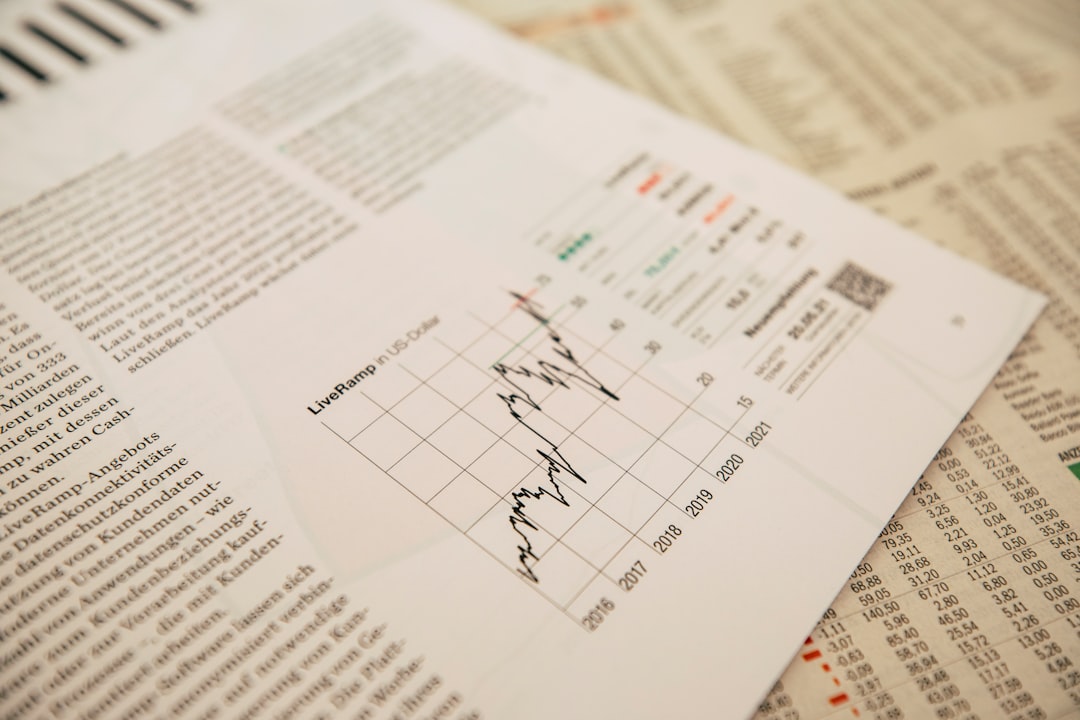
The Davos backdrop serves as a critical reminder that the indicator complex can push markets back toward fundamentals—activity, pricing power, and labor conditions—even without a single major data print.
The Power of Macro Narratives over Hard Data
Macro narratives have the unique ability to move global markets by shifting perceived tail risks. While hard economic data provides the roadmap, high-level corporate and policy commentary influences the distribution of potential outcomes. This impact is most pronounced when it touches upon trade policy expectations or central bank credibility.
The current market takeaway is inherently probabilistic. Rather than adjusting a single-point forecast, new narratives shift the distribution for policy timing and the global growth floor. For traders, interpreting these shifts requires an understanding of existing market positioning.
Positioning and Volatility Catalysts
When investor positioning is crowded—for instance, heavily leaning toward rapid rate cuts—narrative shocks act as significant volatility catalysts. These events force immediate re-risking and hedging activity, regardless of whether a new economic report has been published. Narrative shifts typically manifest first in foreign exchange and volatility markets before moving into rates and equities.
Transmission via Real Yields
The primary transmission channel for policy-heavy commentary is the rates market. Any read-through that suggests a "restrictive for longer" stance tends to lift real yields. Consequently, this compresses duration-sensitive risk appetite, impacting both growth stocks and credit markets.
Policy and Market Implications
While narratives influence near-term sentiment, actual monetary policy remains anchored in realized inflation and labor dynamics. The current regime rewards patience, as central banks prioritize persistence over headlines. If a shifting narrative successfully reduces tail risks, equities and credit can see a lift, provided inflation persistence does not force a hawkish repricing of rates.
Key areas to monitor include:
- Price Action: Whether narrative changes are reflected in FX and rates pricing rather than just media commentary.
- Policy Shifts: Changes in trade or fiscal policy expectations that alter inflation distributions.
- Labor vs. Costs: The critical interaction between softening labor markets and persistent cost pressures.
Related Reading
For more insights on how trade sentiment and policy shifts impact global markets, explore our detailed analysis on Trade Rhetoric and Sentiment Growth and the implications of Trade Policy Uncertainty on Risk Premia.
Bottom Line
The current environment supports a "conditional" macro regime. Activity is not collapsing, but the delicate balance between demand, labor, and prices ensures that policy paths remain highly sensitive to incremental signals and shifting global narratives.