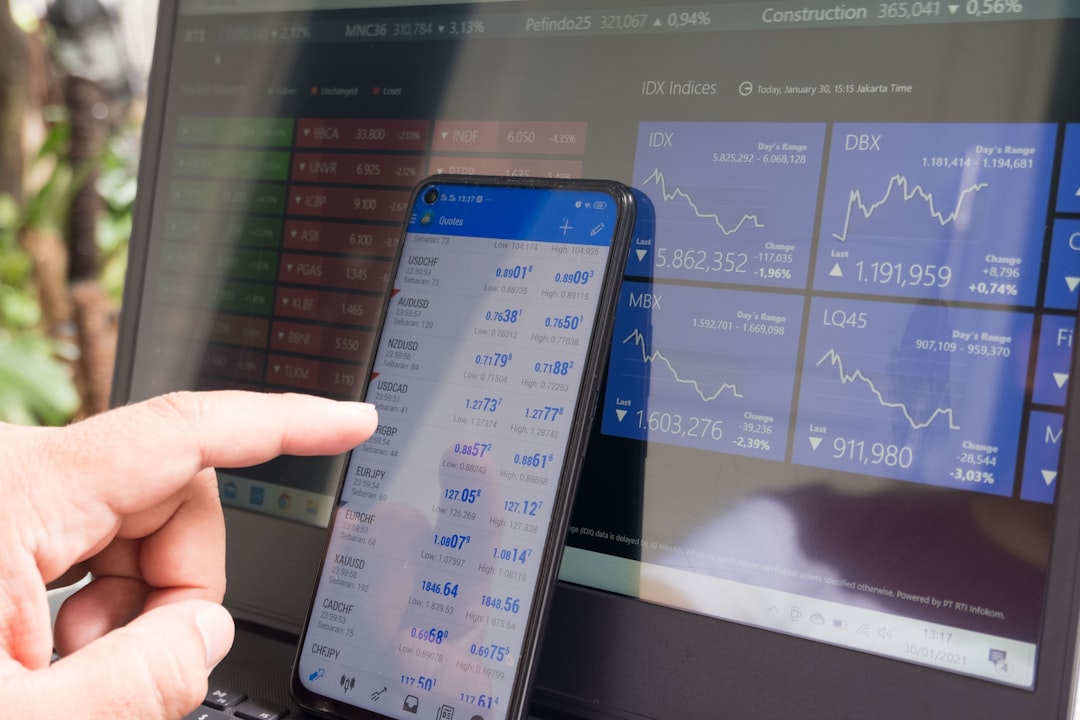
The USD/MXN exchange rate is currently navigating a pivotal period, with market participants closely watching the 17.2500 level as a key determinant of its short-term direction. In an environment characterized by mixed macroeconomic signals, tactical trading within established price ranges appears to be the most prudent approach. Our analysis suggests that discipline in trade execution and a rigorous focus on invalidation levels will be paramount for success in the upcoming session.
Scenarios and Drivers for USD/MXN
Our primary assessment places a 65% probability on the USD/MXN rotating within the 17.2000-17.3000 range. The optimal strategy in this USDMXN price live scenario involves fading the edges of this range back towards the 17.2500 mean, maintaining tight invalidation points. Acceptance beyond 17.3000 or below 17.2000, particularly if accompanied by a protected retest, would negate this base case.
Alternative Scenarios
An upside breakout, with a 25% probability, would see the pair find acceptance above 17.3000, followed by compression on the retest. Should this occur, an extension towards 17.3500 and then 17.4000 can be anticipated. However, a snap-back below 17.2500 post-retest would invalidate this bullish outlook for the USDMXN price live. Conversely, a downside scenario (10% probability) involves a pivot failure and firm acceptance below 17.2000, leading to a rotation towards 17.1500 and potentially 17.1000 if liquidity windows confirm. A reclaim and hold above 17.2500 would invalidate the bearish move. Observing the USD/MXN price live action around these levels will be crucial.
Macro and Transmission
Mixed macro signals underscore that tactical location and tight invalidation are superior to high-conviction directional bets. The “peso dollar live” dynamics are particularly sensitive to volatility, making carry trades vulnerable when market swings expand. Traders should consider tightening risk budgets rather than unilaterally chasing yield. Cluster confirmation serves as a vital quality filter: if the broader USD complex appears fragmented, treat breakouts in the USD MXN price with skepticism and default to range-bound strategies. Ultimately, for the USD to MXN live rate, volatility control is more critical than specific catalysts, often necessitating wider stops and smaller position sizes during periods of range expansion. For those monitoring the market, the USD MXN realtime data will provide immediate insights into these unfolding dynamics.
Execution Framework and Trade Ideas
Successful trading in this environment hinges on a disciplined execution framework. Firstly, identify the prevailing regime using the 17.2500 pivot. Allow the market to test boundaries, then enter only on a retest, not the initial breach. Stops should be placed beyond structural resistance or support, with position sizing adjusted accordingly. Taking partial profits at the first target and holding a runner only after confirmed continuation minimises risk. Traders often refer to the USD MXN chart live for clear visualization of these boundaries.
Watchlist Ideas
- Break-and-Retest: Only engage after clear acceptance above 17.3000 (or below 17.2000) followed by a confirmed retest that holds. Stop placement should be just beyond the invalidated boundary, with targets set at subsequent ladder rungs. The USD MXN live chart will provide real-time updates for these setups.
- Failed-Break Fade: If an initial breakout quickly reverses, fade the move back towards 17.2500, setting invalidation beyond the failed edge. Observing the USDMXN price live during these critical moments is essential for timely execution.
Microstructure Notes and Liquidity
Several microstructure elements will influence tactical decision-making:
- Fixing Flow: When correlated crosses align, fixing flow enhances signal quality, especially after a protected retest. Around round numbers, fixing flow defines risk-adjusted returns when spreads widen in early Asia; prefer limit entries at edges to improve trade expectancy.
- Price Discovery: In thin market conditions, price discovery can upgrade position sizing. However, it's crucial to wait for the retest rather than chasing initial spikes.
- Retest Quality: A fast initial move mandates that retest quality anchors risk-adjusted returns; once again, limit entries at edges are preferred. Pullback compression improves position sizing when the first move is fast; size for structure, not for hope.
- Stop-Run Dynamics: When correlated crosses align, stop-run dynamics tighten invalidation discipline, favoring limit entries at edges.
Levels Map
- Pivot (Regime Line): 17.2500
- Figure Magnet: 17.2000
- Resistance Ladder: 17.3000 → 17.3500 → 17.4000 (with further potential to 17.4500/17.5000)
- Support Ladder: 17.2000 → 17.1500 → 17.1000 (with further potential to 17.0500/17.0000)
The rule of thumb for the USDMXN price live is clear: above the 17.2500 pivot, buy dips until the pivot fails; below the pivot, sell rallies until it is reclaimed. Always trade the retest, not the first spike.
Bottom Line
Treat 17.2500 as the critical regime line and 17.2000 as a strong figure magnet for the 'peso dollar live'. Only upgrade to a sustained trend after both acceptance and a protected retest above or below these levels. If confirmation is lacking, revert to fading back to the pivot and actively reduce risk. This analysis is purely informational; scenarios are dynamic and subject to change with new market information. For the latest insights, consistently consult the USD MXN realtime data.