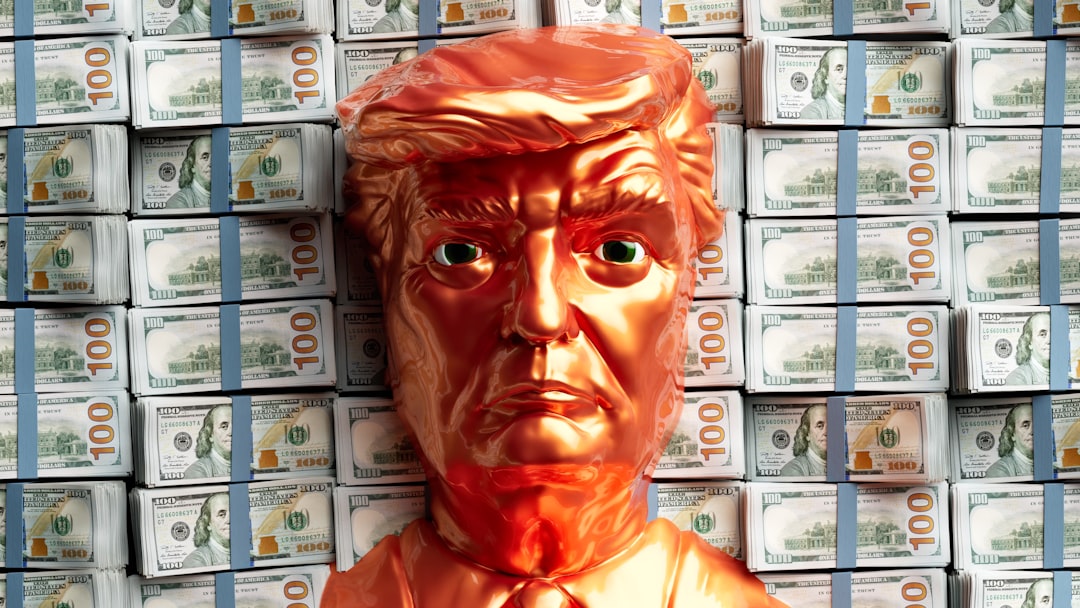
Commodities are increasingly behaving like 'policy assets,' with their pricing and demand significantly influenced by governmental decisions and geopolitical events. From energy markets driven by OPEC+ cuts and geopolitical grid risk, to metals shaped by strategic mineral reserves, and even agriculture feeling the second-round effects of energy costs, policy is setting the floor for commodity prices.
Policy Sets the Commodity Floor: Energy Takes the Lead
Energy remains the primary anchor in this policy-driven commodity landscape. Voluntary production cuts by OPEC+ continue to support crude prices, while geopolitical concerns, such as Ukraine's grid risks and the potential for a US-Iran war, add a premium to oil and refined products. This combination underpins an elevated price structure even amidst varied global growth signals. The attacks on Iran, for instance, significantly influence market assumptions about physical supply, keeping energy and metals firm in their new role as policy assets. The Crude Oil Price Live: Supply Discipline Meets Geopolitical Grid Risk reflects this reality, pushing energy into a new pricing regime. US crude oil (CL=F) chart live shows continued resilience in prices.
The implications for equities are clear: durable energy cash flows support buybacks, acting as a volatility dampener for investors. Simultaneously, higher breakeven inflation rates are manifesting faster than corresponding growth expectations, highlighting the pivotal role of these policy-influenced commodities. The market is constantly assessing these shifts, with Geopolitical Grid Risk Reshapes Cross-Asset Correlations becoming a central theme in determining tactical positioning.
Metals and Agriculture: The Expanding Policy Footprint
Beyond energy, metals have unequivocally become policy assets. The U.S. critical minerals reserve program, for example, directly shifts demand into strategic stockpiles and long-term contracts. This tightens the supply of rare earths and specialty inputs, providing strong support for mining equities. This policy-backed demand means that while the broader market assesses the Gold (XAU/USD) Price: Analyzing Weekend Settlement & Next Week's Risk Map, the underlying demand for many other metals is more structurally robust. XAUUSD price live continues to be a key indicator for overall market sentiment. This dynamic causes commodity FX to firm, though import-heavy emerging markets (EMs) may face wider external financing spreads due to higher commodity import bills.
Agriculture, often considered the 'sleeper' sector, is also deeply impacted. Freight rerouting and elevated energy costs translate directly into input inflation for fertilizers and transport-sensitive crops. This creates a significant second-round channel into food CPI, making agriculture a crucial arbiter for whether the policy-driven commodity moves are sustainable. From a broader perspective, commodities are now the transmission belt between geopolitics and inflation. Real-asset pricing currently discounts steady interest rates, but a persistent, policy-driven commodity bid could lift real assets further and pressure duration-sensitive equities. This interplay makes the crude oil price live feed essential for monitoring the macro pulse.
Cross-Asset Significance and Tactical Considerations
A key cross-asset signal to watch is whether credit spreads in materials tighten while rates volatility rises. This scenario suggests the market is actively prioritizing real assets over duration, a pattern that frequently precedes a significant equity style shift towards value. Furthermore, inventory behavior is crucial: when policy-driven stockpiles increase, producers tend to hold back supply, and buyers front-load orders. This tightens commodity curves and boosts roll yields, even if spot prices remain range-bound for a period. Crude oil (CL=F) price live actions are often a leading indicator for these inventory dynamics.
While a firmer dollar typically caps commodity rallies, this effect is diminished when supply is structurally constrained by policy decisions. In such cases, commodities begin to trade as a distinct asset class, possessing their own unique risk premium. The desk notes suggest that ongoing events, such as the implications of attacks on Iran for oil and stocks and the potential impact of US manufacturing tariffs, are driving energy in one direction and forcing metals to re-rate. Agriculture ultimately serves as the arbiter, confirming whether these moves sustain. Therefore, monitoring XAUUSD realtime updates becomes more critical with these underlying policy shifts.
Risk Management and Execution
Pricing data currently discounts a policy-backed bid in real assets. However, the omnipresent risk of geopolitical escalation, particularly from events like the US-Iran war, creates an asymmetric payoff map if volatility spikes. Effective risk management dictates keeping exposure balanced with a hedge that benefits if agricultural commodity prices react faster than spot. For instance, CL=F chart live movements must be contextualized within this broader geopolitical and policy framework.
Positioning snapshot indicates that current flows are light, making the market highly sensitive to marginal news. Geopolitical tensions compel participants to hedge, while policy-related discussions regarding manufacturing keep carry trades selective. This leaves metals, like copper (HG=F) live chart or even gold (XAU/USD) live chart, as clearer expressions of the prevailing theme. Due to cautious dealer behavior around event risks, market depth is thinner than normal. Execution notes emphasize scaling in and out of positions rather than chasing momentum, as liquidity can rapidly evaporate on headline-driven events. The trade-off between carry and convexity remains paramount. Maintain optionality in the hedge book to effectively absorb any unforeseen policy surprises.
What to Watch Ahead
Key indicators to monitor include funding costs, hedging demand, and relative value across the commodity complex. While price suggests a policy-backed bid in real assets, the distribution is skewed by geopolitical uncertainties. This is why position sizing triumphs over entry precision in this environment. Furthermore, crude oil backwardation, the copper forward curve, and the performance of the USD basket will be crucial. If the dollar strengthens, commodity rallies will require genuine supply tightness to endure, underscoring the importance of watching Gold Price Defies Gravity, Holds Above $5,170 Amidst Global Uncertainty and other commodities.