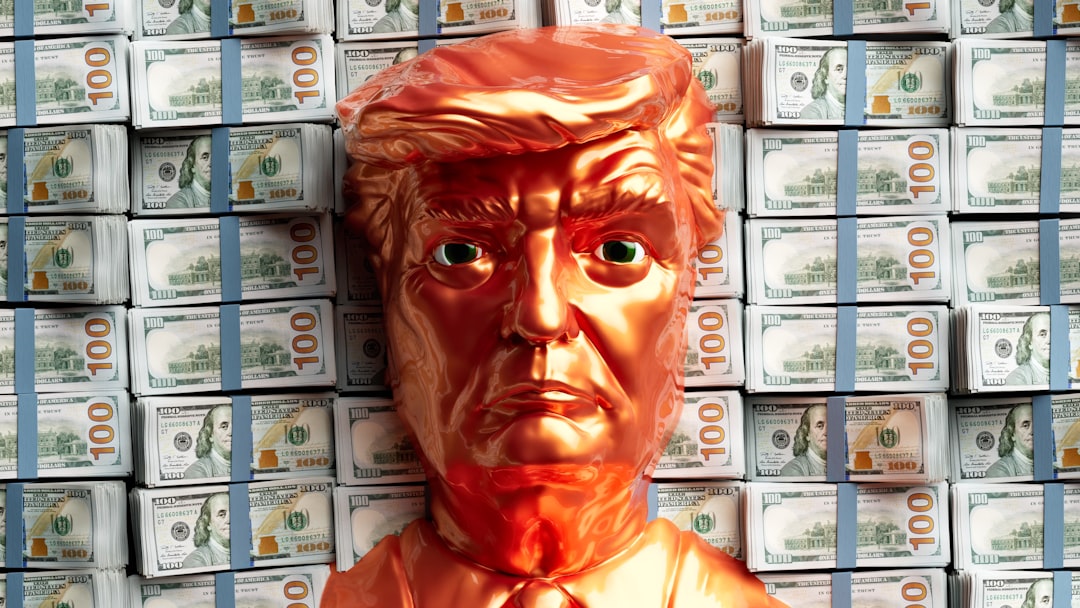
Commodity markets are increasingly trading as 'policy assets,' with geopolitical shifts and strategic decisions setting fundamental floors and influencing price action. This dynamic is particularly evident across energy, metals, and, increasingly, agriculture sectors, directly linking market performance to policy impacts rather than solely traditional supply-demand fundamentals.
Energy remains a cornerstone of this policy-driven commodity landscape. Continued voluntary production cuts by OPEC+ and persistent geopolitical risks in regions like Ukraine effectively underpin crude oil and refined product prices. Even amidst mixed global growth signals, these factors provide a robust floor, turning energy into a key policy asset. From a relative-value perspective, ongoing geopolitical turmoil offers OPEC+ cover for cautious output adjustments, allowing them to manage supply strategically. Furthermore, potential future policy shifts, such as a Trump Administration’s 15% Global Tariff Plan 2026, could introduce significant consumer price impacts and keep physical supply assumptions in flux, further solidifying how energy and other essential metals are now trading as policy assets.
The implications extend to equities, where energy sector cash flows appear durable, with buybacks often acting as a natural volatility dampener. In the bond market, this trend is reflected in higher breakeven inflation rates appearing faster than growth expectations, indicating that inflation expectations are being driven more by policy and supply constraints than accelerating economic activity. Similarly, metals have firmly established themselves as policy assets. The U.S. strategy of shifting demand into strategic stockpiles and long-term contracts for critical minerals directly tightens supply for rare earths and specialty inputs. This policy-driven demand provides substantial support for mining stocks and influences commodity-linked currencies (commodity FX) to firm up, while import-heavy emerging markets (EMs) may face wider external financing spreads due to the increased cost of these essential materials.
Agriculture, often considered a sleeper in this policy-asset narrative, is poised to become a significant arbiter if these policy-driven moves sustain. Factors such as freight rerouting and elevated energy costs are pushing input inflation into fertilizers and transport-sensitive crops. This creates a discernible second-round channel into food CPI (Consumer Price Index), making agricultural commodities a crucial transmission belt between geopolitics and broad inflation pressures. The cross-asset significance of this trend is paramount: commodities are now serving as a direct link between geopolitical events and inflation. Real-asset pricing currently discounts steady yields, yet a policy-driven commodity bid has the potential to lift real assets and exert pressure on duration-sensitive stocks. Therefore, careful monitoring of inputs like agricultural commodities is essential.
A critical cross-asset tell for traders is to observe if spreads in materials tighten while yields vol rises. Such a pattern often signals that the market is prioritizing real assets over duration, typically preceding an equity style shift towards value-oriented sectors. Inventory behavior is also key; when strategic policy stockpiles increase, producers tend to hold back supply, and buyers front-load orders. This action tightens futures curves and lifts roll yields, even if spot prices remain range-bound, indicating underlying strength. While a firmer dollar usually caps commodity rallies, this effect is diminished when supply is significantly constrained by policy. In such scenarios, commodities trade like a distinct asset class, possessing their own unique risk premium. The current environment, shaped by geopolitical turmoil and a potential Trump Administration’s 15% Global Tariff Plan 2026, acts as a primary catalyst, directing energy prices in one direction and compelling metals to re-rate, with agriculture being the ultimate arbiter of sustained market movements.
For traders, monitoring funding costs, hedging demand, and relative value becomes increasingly important. Current pricing broadly suggests a policy-backed bid in real assets, but the distribution of risk is skewed by potential geopolitical developments, such as the specter of nuclear talks. This underlines why position sizing is currently more critical than precise entry timing. A tactical hedge strategy might include maintaining a small, convex position that benefits from a sudden rise in correlations. Given light flows and market sensitivity to marginal news, the immediate impact of geopolitical shifts is pushing participants towards hedging, while specific policy proposals like the tariff plan are making carry trades more selective. This scenario positions metals as a relatively 'clean' expression of the underlying theme.
In terms of market microstructure, dealers remain cautious around event risk, contributing to thinner liquidity than usual. The implied pricing still points to a policy-backed bid in real assets, but the payoff map is asymmetric if volatility spikes, meaning agriculture often serves as a more effective hedge than pure duration. Scaling into and out of positions, rather than chasing momentum, is a prudent execution strategy, as liquidity can rapidly disappear on headline news. The intertwined effects of geopolitics and policy decisions forge a stronger link between policy and real assets. In this commodities framework, energy and metals tend to react first, with agricultural commodities ultimately confirming the broader trend. Risk management requires balancing carry with convexity, especially with geopolitical tensions in the background. Real-asset pricing now discounts a policy-backed bid in real assets, but the future payoff map is asymmetrical if volatility experiences a sudden spike.
A key sizing rule is to maintain optionality within the hedge book, allowing portfolios to absorb unexpected policy surprises. This commodity discipline ensures that one retains optionality because the current geopolitical climate can tighten spot markets even as futures curves underprice the potential persistence of these trends. An additional angle for consideration is that policy risk is now highly sector-specific, serving as a reliable signpost for the next major market rotation. Traders should keep a close watch on crude oil backwardation, the copper forward curve, and the performance of the USD basket. If the dollar strengthens significantly, commodity rallies will require genuine supply tightness to sustain their upward momentum, highlighting the dynamic interplay of global forces.