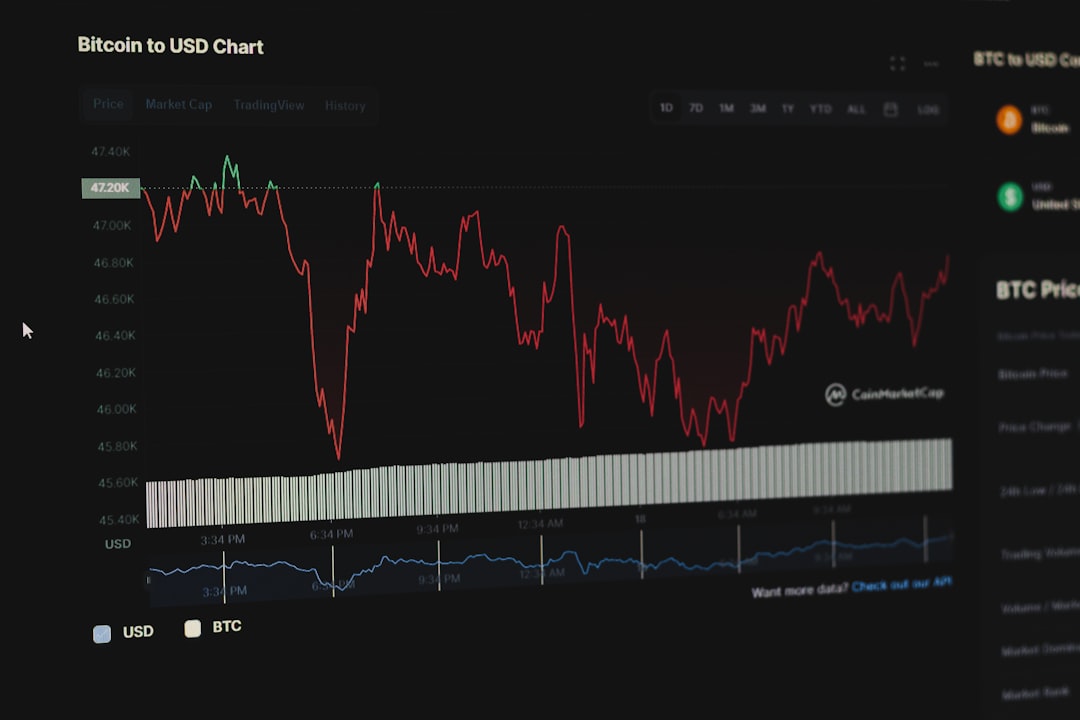
The bond market today presents a classic range-bound scenario, offering valuable insights into current market dynamics rather than suggesting boredom. A key focus point remains the persistently inverted 2s10s yield curve, signaling a restrictive policy environment, yet its implications are subtly evolving as the long end of the curve increasingly absorbs fiscal and term-premium risks.
Navigating the Inverted Yield Curve: A Changing Message
The US 2-year Treasury yield is currently at 3.456%, while the 10-year Treasury stands at 4.126%. This maintains a significant 2s10s spread of approximately 67.0 basis points, indicating a continued inversion. While the inversion itself reinforces the narrative of a restrictive monetary policy, the underlying dynamics are shifting. The long end of the yield curve is now taking on a larger role in absorbing both fiscal uncertainties and term-premium risks, suggesting a more nuanced interpretation of the inversion.
For today, the critical 10Y pivot is around 4.133%. As long as the price continues to mean-revert to this level, technical trends are likely to underperform against fade strategies, emphasizing the range-bound nature of the market. Investors closely watch the Treasury yields at 4.133% pivot for directional clues.
Cross-Asset Signals and Their Impact on Bonds
- DXY (US Dollar Index): At 96.55, a softer dollar generally reduces tightness for non-US borrowers, which can be mildly supportive for global duration.
- WTI Crude Oil: Trading at 65.54, an increase in oil prices introduces inflation tail risk. The bond market's reaction depends on whether this is perceived as demand-led growth or a supply-side shock. Traders may look for the Crude Oil 65.31 price live as a key indicator.
- Gold: Currently at 5107.01, gold strength amidst contained yields often signals investor confidence or a real-yield story, rather than outright inflation panic. The Gold price live is closely monitored for these nuances.
- VIX: At 17.91, rising volatility can draw in duration through hedging demand. However, a more critical and dangerous regime unfolds when both volatility and yields rise concurrently.
Tactical Decision Map for US 10Y Treasury Yields
The tactical decisioning for the US 10Y Treasury yield revolves around its 4.133% pivot, placed within today’s decision band of 4.124% to 4.143%. A bull trigger for duration would be acceptance below 4.124%, implying that the pivot becomes a resistance level and makes fading rallies more challenging. Conversely, a bear trigger indicates acceptance above 4.143%, suggesting the pivot acts as support, making selling rallies more difficult. A key practical rule is that a breakout that fails and reverts within the band signals a fade setup, whereas a breakout that sustains a re-test suggests a regime shift. Investors analyzing the market will often consult the US10Y chart live to visualize these levels.
Scenarios and What to Watch Next
Our base case anticipates that cross-asset signals will remain mixed, keeping direction secondary to relative value. A bull case for duration would emerge if a softer growth impulse pushes yields below the session low, attracting real moneyduration buying. Conversely, a bear case materializes if correlations flip, leading to bond sell-offs even as risk assets show weakness, forcing systematic de-risking.
Key indicators to watch include the Bund band (2.7928%–2.8102%, pivot 2.8015%), Gold (5042.40–5144.10 for real-yield confidence), and various global bond spreads. Auction tone, particularly if yields stick near the top of their day bands, can signal concession building. A steady drift higher in volatility, even without immediate yield trends, subtly changes risk budgets and deserves careful attention for the US10Y realtime data.
Fiscal Policy, Quantitative Tightening, and Relative Value
The current environment of Quantitative Tightening (QT) removes a price-insensitive buyer from the market, increasing reliance on private balance sheets. This often amplifies fiscal headlines and makes the market more sensitive to supply without the central bank backstop. Fiscal worries don't need to be new; they need to be newly priced, often appearing as a slow drift higher in long-end yields, interspersed with sharp jumps on headline risks.
From a relative value perspective, if the US fiscal story is seen as uniquely challenging, Treasuries may underperform Bunds even during a rally. However, if the challenges are global, the spread between treasuries and Bunds might remain stable, with only the overall level shifting. In Europe, the carry trade is heavily influenced by spreads. Stable spreads amidst Bund movements signal a duration story, while widening spreads during a Bund rally suggest a risk-premium narrative. These distinct regimes demand different trading strategies and stop-loss logic. Traders using a US10Y live chart will easily detect these shifts.
Positioning, Flows, and Risk Management
In tightly range-bound markets, the marginal participant is often the short-term risk manager. Clusters of stop placements near obvious levels typically create 'probe and reverse' patterns. A market that probes a daily high and instantly fades indicates persistent buying at that level, while a probe that sustains confirms the buyer has either stepped away or been overwhelmed. The utility of tracking mean reversion to the session midpoint helps gauge market conviction; persistent mean reversion suggests indecision, and a break from this pattern can signal a regime shift for those monitoring US10Y price live data.
Risk Management in Range-Bound Markets
Range markets reward precision and penalize excessive size. The inherent challenge lies not in incorrect theses but often in mistimed entries. Smaller position sizes allow for extended holding periods, fostering the ability to trade based on acceptance rather than mere hope. It is crucial to separate time horizons: intraday bands serve as immediate trading levels, while weekly levels inform broader allocation decisions. Blurring these horizons often leads to tactical trades inadvertently becoming accidental macro bets. Moreover, pre-positioning ahead of significant data releases can lead to counterintuitive market reactions. The most impactful moves frequently occur when data surprises into light, rather than crowded, positioning.
Macro Calendar Logic
Given the inverted curve, the market is acutely sensitive to any information that alters the perceived duration of a restrictive policy. A single comment about 'higher for longer' might hold less sway than a series of data points that collectively suggest the 'longer' aspect is diminishing. This sensitivity underscores the need for continuous analysis, moving beyond individual headlines to understand the cumulative impact of economic data on the yield curve's message.