
Crude Oil Analysis: OPEC+ Decisions Impact Supply
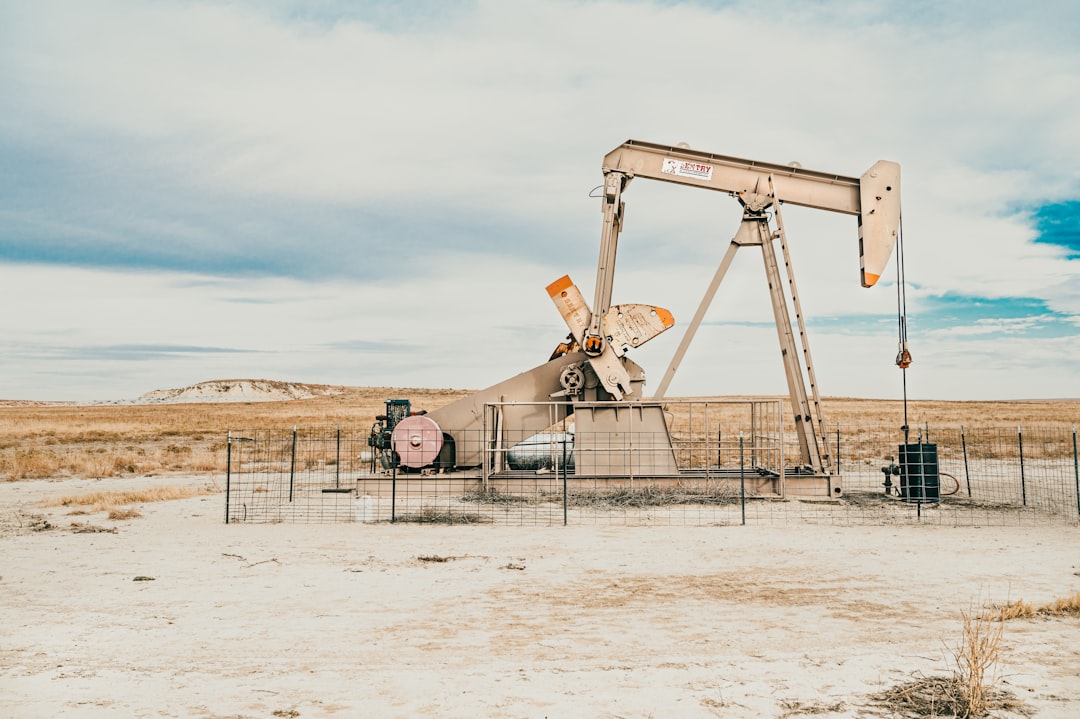
Production cuts and demand outlook shape energy market dynamics.
Oil markets are once again in the spotlight as the perennial dance between supply, demand, and geopolitical machinations continues to shape energy prices. As of early [Current Month, Current Year], crude oil futures are exhibiting heightened volatility, with recent OPEC+ decisions looming large over supply expectations. Traders and investors are keenly observing every nuance, from production quotas to global economic indicators, as these factors converge to dictate the trajectory of this vital commodity.
Market Overview: OPEC+ and Global Demand Dynamics
The global oil market remains a complex interplay of supply-side management, geopolitical risks, and evolving demand forecasts. The Organization of the Petroleum Exporting Countries and its allies (OPEC+) have consistently been a pivotal force, with their production decisions often leading to significant price swings. Their latest communiqué, indicating a continuation or adjustment of output cuts, sends ripples across global economies, influencing everything from inflation rates to industrial output.
On the demand front, the narrative is equally intricate. While concerns about a potential global economic slowdown persist, particularly in major economies like China and Europe, resilient demand from other regions and the transportation sector provides a counter-balance. The International Energy Agency (IEA) and OPEC itself routinely release updated demand forecasts, which serve as crucial benchmarks for market participants. For instance, the IEA's latest report projected global oil demand growth of approximately 1.2 million barrels per day (bpd) for 2024, a figure often revised based on evolving macroeconomic conditions.
Key Analysis: Navigating Supply Constraints and Market Sentiment
OPEC+'s Strategic Production Adjustments
The core of recent oil market movements revolves around OPEC+'s proactive supply management. The group, currently accounting for roughly 40% of global oil supply, has repeatedly demonstrated its capacity to impact prices through coordinated production cuts. For example, the voluntary cuts implemented in [Recent Quarter, e.g., Q4 2023], amounting to approximately 2.2 million bpd, played a significant role in stabilizing prices amidst earlier demand concerns. The ongoing debate within the alliance centers on balancing market stability with individual member states' revenue requirements. Any deviation from anticipated production quotas, either through an unexpected increase or a deeper cut, can trigger immediate and substantial price reactions.
Geopolitical Factors and Supply Risks
Beyond OPEC+ decisions, geopolitical tensions remain a perpetual wildcard in the oil market. Conflicts in key production regions, disruptions to vital shipping lanes (such as the Red Sea), or political instability in major oil-producing nations can abruptly tighten supply, leading to sharp price spikes. The market assigns a premium, often referred to as a "geopolitical risk premium," to crude oil prices during such periods of uncertainty. Events in the Middle East, in particular, always warrant close monitoring due to the region's immense contribution to global oil output and its strategic importance for transportation.
Global Economic Health and Demand Outlook
The pace of global economic growth directly correlates with oil demand. Stronger GDP growth typically translates to increased industrial activity, transportation, and consumption, thereby boosting demand for crude. Conversely, economic downturns or recessions can lead to demand destruction, putting downward pressure on prices. Recent inflation data from major economies, coupled with central bank monetary policy decisions, heavily influence market expectations for future demand. For instance, if the U.S. Federal Reserve were to signal a more aggressive tightening cycle, it could cool economic activity and, by extension, oil demand.
Trading Implications and Strategy
For traders, understanding the nuances of crude oil dynamics is paramount. Given the market's volatility, a multi-faceted approach is often required:
- Trend Following: Identifying and riding established trends can be profitable, especially during periods where OPEC+ policy or geopolitical events create clear directional momentum.
- News-Based Trading: OPEC+ communiqués, IEA/EIA reports, and major geopolitical headlines often trigger immediate price reactions, presenting short-term trading opportunities.
- Hedging Strategies: Producers and large consumers often use futures and options to hedge against adverse price movements, locking in desired prices.
- Spread Trading: Trading the difference between various crude oil contracts (e.g., Brent vs. WTI) or between crude and refined products can capitalize on relative value opportunities.
Current support levels for WTI crude might be observed around $70.00-$72.50 per barrel, while resistance could be encountered near $78.00-$80.00 per barrel, depending on the prevailing sentiment and news flow.
Risk Considerations
- Geopolitical Risk: Unforeseen conflicts or supply disruptions in major oil-producing regions.
- OPEC+ Policy Shifts: Sudden changes in production quotas or lack of adherence by members.
- Global Economic Slowdown: Weaker-than-expected economic growth leading to reduced demand.
- Currency Fluctuations: As oil is priced in USD, a stronger dollar can make oil more expensive for non-dollar holders, potentially dampening demand.
- Inventory Data Volatility: Weekly API and EIA inventory reports can cause significant short-term price swings.
Conclusion: Navigating a Volatile Outlook
The crude oil market remains a landscape of inherent volatility, influenced by a delicate balance of supply management, geopolitical risks, and global economic health. While OPEC+ decisions continue to provide a floor for prices through proactive supply cuts, the ongoing uncertainty surrounding global demand, coupled with persistent geopolitical tensions, prevents a clear, sustained upward trend. Investors and traders at FXPremiere Markets should prepare for continued price fluctuations, adhering to robust risk management strategies and staying abreast of real-time market developments and policy announcements. The outlook suggests a market that will likely remain sensitive to both fundamental shifts and headline news for the foreseeable future.
Frequently Asked Questions
Related Analysis

Wheat Price Analysis: Trading the 542.40 Resistance Level
Wheat futures test key resistance at 542.40 as supply-availability premiums and weather risks dominate the New York morning session.

TTF Natural Gas Analysis: Trading the 39.20 Resistance Window
TTF natural gas futures test key resistance at 39.20 EUR/MWh as storage concerns and winter volatility drive intraday price action.

Steel Market Analysis: Trading the 950 Support and 1,000 Magnet
Steel prices test the 975 resistance as mills defend margins against buyer resistance, focusing on critical support at 950 USD/ton.
 Featured
Soybeans Market Analysis: Trading the 1,075.50 Support Floor
Soybean futures face a critical test at the 1,075.50 support level as weather premiums and export demand shape the intraday narrative.