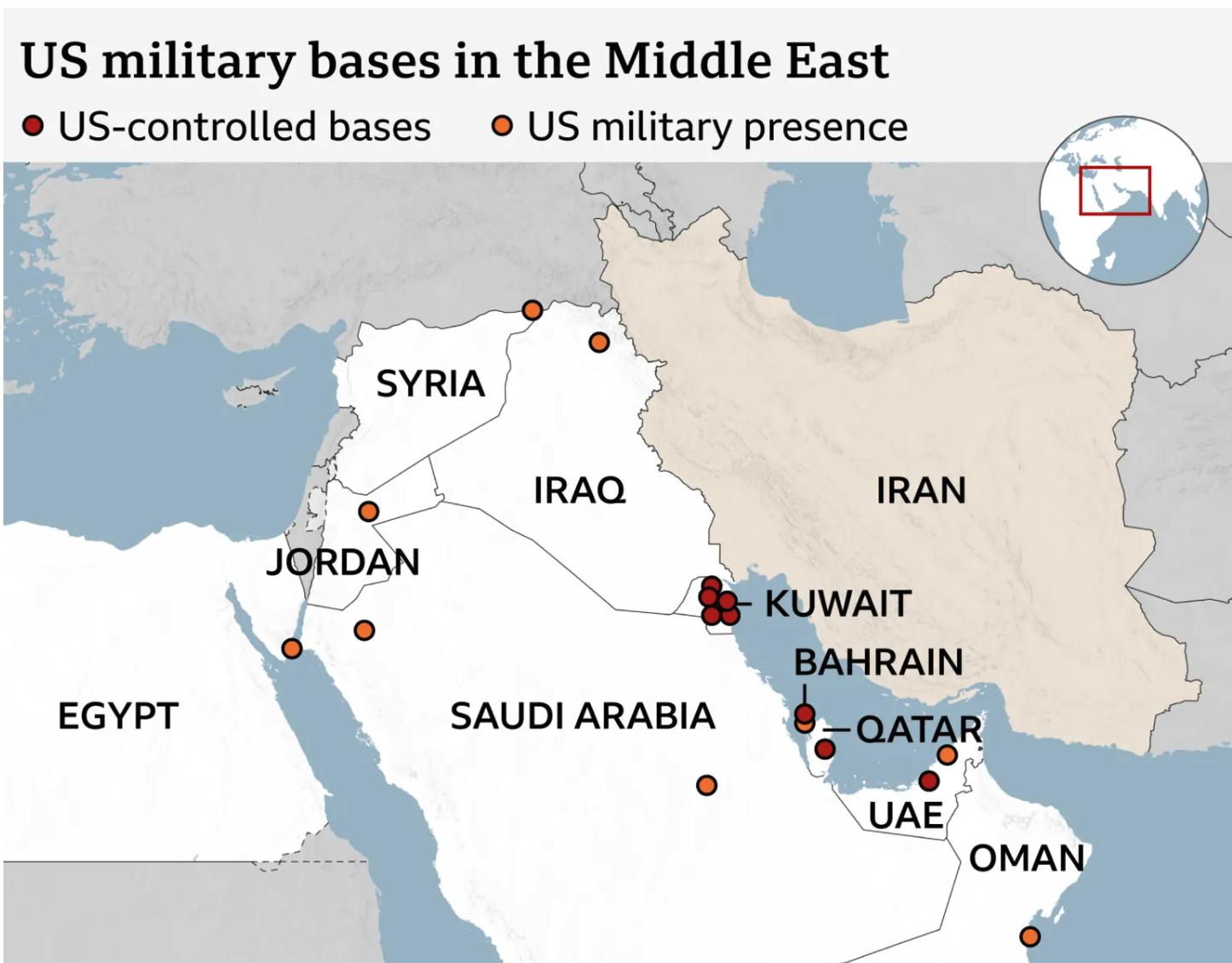
The recent escalation in the Middle East, marked by repeated missile barrages targeting Israel following US-Israeli strikes on Iran, has triggered a profound repricing of country-specific risk across Israeli markets. As investors search for iran us war news today and react to increasing israel iran missiles, the economic landscape shifts from managing local security flare-ups to contending with the specter of a prolonged regional conflict involving Iran and the U.S.
Israel's Economy Under Fire: Beyond Physical Damage
While initial reports suggest no major strategic hits in the first wave of attacks, the economic shock is being transmitted not just through physical destruction but through an erosion of confidence, curtailed mobility, and a significant repricing of risk. This distinction is crucial: the Israeli economy, known for its resilience under conflict, now faces a different challenge. It's no longer about merely functioning during localized security events, but about the duration and scope of a potential U.S.-Iran regional war.
The viral takeaway is clear: Israel is not only absorbing missiles but also a comprehensive repricing of its country risk. This extends across various sectors, impacting defense spending, tourism, shekel outlook, tech capital flows, and domestic consumption. Investors are keenly watching every israel hit update, considering the broader implications for the region. For those tracking the broader financial impact, understanding middle east war market impact is paramount.
Immediate Economic Casualties and Market Impact
The first and most immediate economic casualty is mobility. Air travel sees significant disruptions, travel plans are canceled, and public gathering behavior shifts dramatically. This leads to a rapid decline in activity for airlines, airports, hotels, hospitality services, restaurants, retail, and leisure sectors. Event spending and domestic mobility are severely impacted.
Sentiment follows closely. Consumers delay large purchases, while foreign investors widen their discount rates, demanding higher returns for increased risk. While venture activity in Israel's robust tech sector may remain open, valuation confidence becomes harder to maintain if the conflict broadens. The fiscal flexibility of the nation also comes under pressure. While Israel can finance its defense needs, prolonged warfare necessitates increased state spending, straining the national budget and raising questions about the country's ability to sustain military intensity and domestic economic normalization simultaneously. The israel economy war impact is multi-faceted, extending beyond immediate damages.
Financial Markets and the Shekel
For Israeli financial markets, key channels of impact include:
- Shekel Risk: There is a significant risk to the shekel if safe-haven demand drives capital towards the dollar, prompting investors to scrutinize the shekel outlook.
- Equity Underperformance: Consumer-facing sectors are likely to experience equity underperformance.
- Sectoral Support: Conversely, defense, cyber, and security-linked companies may see boosted support.
- Banking Pressure: Banks could face pressure if property markets, credit demand, or household risk perception deteriorates.
- Country-Risk Premium: A wider country-risk premium will be applied if the conflict evolves into a prolonged regional war. Traders following the israel stock market war are adjusting their portfolios accordingly, discerning which sectors are vulnerable and which might be resilient.
Real Estate, Tourism, and What to Watch Next
The property market doesn't crash instantly but slows down incrementally with a decline in confidence. This implies slower transaction activity, more cautious mortgage demand, and weakened appetite for discretionary upgrades. Markets heavily exposed to mobility and security stress will feel intensified pressure. For sectors like tourism, which thrive on global traffic, the impact of tourism war israel is immediate and severe, leading to cancellations and reduced bookings. The israel real estate war situation is being closely monitored, with implications for property valuations and investment decisions. Similarly, israel banks war risk is elevated due to potential shifts in credit trends. Additionally, investors often seek safe haven assets during such times, which can redirect capital flows.
Key indicators to watch include:
- Whether missile damage extends to more economically sensitive infrastructure.
- The extent of shekel weakening due to foreign capital becoming defensive.
- Whether airlines and tourism face a short interruption or a prolonged shutdown.
- The impact of weakening domestic consumption on banks, retail, and housing.
- Whether Israel's market leadership narrows specifically to defense and cyber sectors, with others lagging.