
Fed Rate Decision Preview: What to Expect
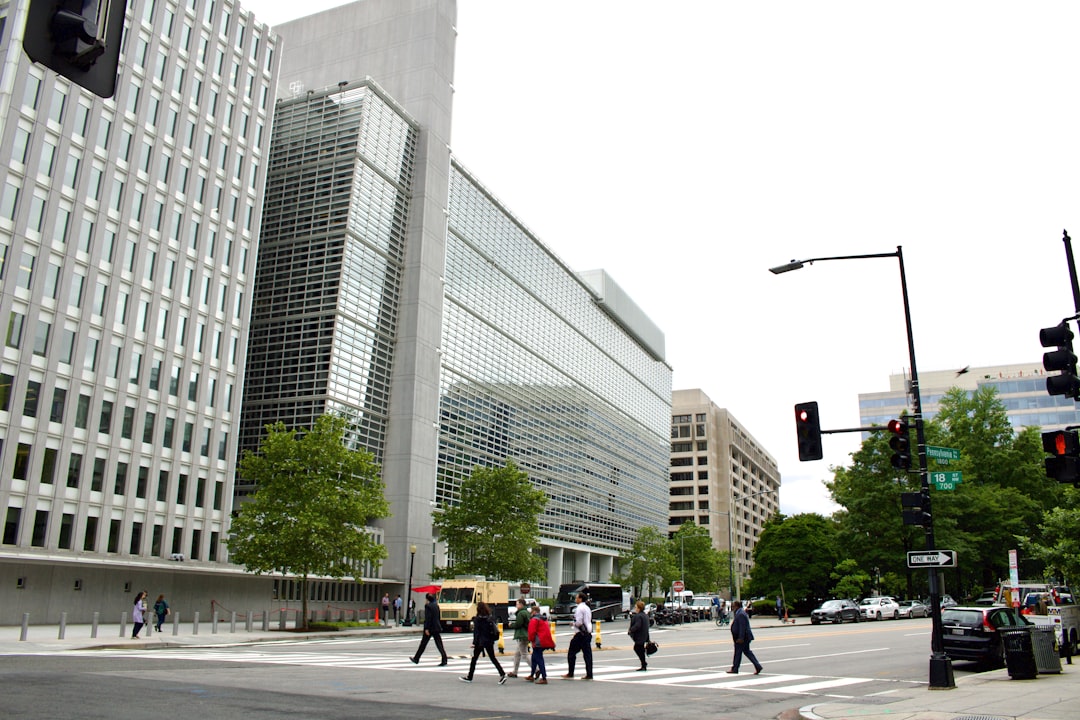
The Federal Reserve meets next week. We analyze expectations and potential market impact.
As global financial markets brace for the pivotal Federal Reserve interest rate decision next week, investor attention is firmly fixed on Washington. With sticky inflation persisting and recent employment data showing resilience, the Fed finds itself at a critical juncture, navigating the fine line between taming price pressures and avoiding a significant economic downturn. Traders, analysts, and policymakers alike are scrutinizing every economic indicator for clues about the central bank's next move, which promises to send ripples through currency pairs, equity indices, and commodity markets. This preview delves into the prevailing expectations, potential outcomes, and their far-reaching implications for your trading strategies.
Market Overview and Context
The Federal Reserve's Federal Open Market Committee (FOMC) meets against a backdrop of complex economic data. Recent Consumer Price Index (CPI) reports have shown inflation remains elevated, with the latest CPI printing at 3.4% year-over-year, still above the Fed's 2% target. Core PCE, the Fed's preferred inflation gauge, also remains stubbornly high. However, the labor market has shown signs of cooling but remains robust, with the unemployment rate at 3.9% and non-farm payrolls consistently exceeding expectations, albeit with some deceleration in wage growth. This mixed picture has led to a re-evaluation of earlier market expectations for aggressive rate cuts. Previously, markets had priced in as many as six 25-basis-point cuts for 2024; now, consensus has shifted to perhaps two to three, with the first cut likely pushed back to June or even later.
Geopolitical tensions, particularly in the Middle East and Europe, continue to inject uncertainty, indirectly influencing energy prices and supply chains, adding another layer of complexity to the Fed's inflation fight. The U.S. dollar has largely maintained strength, supported by higher interest rate differentials compared to other major economies, putting pressure on emerging market currencies and commodity prices denominated in USD.
Key Analysis: What to Expect from the FOMC
Interest Rate Decision
The overwhelming consensus among economists and market participants is that the Federal Reserve will hold interest rates steady at the current target range of 5.25% to 5.50% at the upcoming meeting. The probability of a hike is virtually zero, and a cut is not on the table yet given the inflation data. The focus will be less on the immediate rate decision and more on the accompanying statements and economic projections.
FOMC Statement and Economic Projections (Dot Plot)
The language used in the FOMC statement will be critical. Any subtle shifts in tone regarding inflation, economic growth, or the labor market will be meticulously analyzed. Traders will be looking for clues on the timing and pace of potential future rate cuts. Of particular importance will be the updated Summary of Economic Projections (SEP), specifically the 'dot plot' – which depicts each FOMC member's projection for the federal funds rate. A 'higher for longer' signal from the dot plot, indicating fewer cuts or a later start to easing than previously anticipated, could significantly impact market sentiment. Conversely, if a substantial number of dots shift lower, it could signal a more dovish outlook.
Chair Powell's Press Conference
Federal Reserve Chair Jerome Powell's post-meeting press conference is often the most impactful event. His answers to questions will provide deeper insights into the Committee's thinking. Key areas of focus will include:
- Inflation Outlook: How confident is the Fed that inflation is on a sustainable path to 2%? Are they seeing sufficient disinflationary trends?
- Labor Market Health: How does the Fed assess the balance between employment and wage growth? Is 'full employment' still a key consideration?
- Future Policy Path: Will Powell reiterate data-dependency, or will he provide stronger forward guidance on potential rate cuts? Any commentary on the quantitative tightening (QT) process will also be noted.
Trading Implications and Strategy
The outcome of the Fed meeting can trigger significant volatility across various asset classes. Here's what traders should consider:
- Forex Markets: A hawkish surprise (e.g., fewer projected cuts, strong inflation warnings) could strengthen the US Dollar (DXY) against major currencies like the EUR, JPY, and GBP. Conversely, a dovish pivot (more cuts projected, softening rhetoric) would likely weaken the USD. Pairs like EUR/USD and GBP/USD will be highly sensitive.
- Equity Markets: U.S. stock indices such as the S&P 500 (US500) and Nasdaq 100 (US100) often react negatively to a hawkish Fed, as higher rates increase borrowing costs and reduce future earnings valuations. A more dovish stance, signaling lower rates soon, could provide a boost.
- Commodities: Gold (XAU/USD) tends to be inversely correlated with interest rates and the USD. A hawkish Fed would likely put downward pressure on gold prices, while a dovish stance could provide support. Oil prices might react to broader economic growth expectations influenced by rate policy.
- Fixed Income: U.S. Treasury yields will be on the front line. A hawkish signal would push yields higher, while a dovish tone would see them fall. This, in turn, impacts bond ETFs and interest-rate sensitive sectors.
Traders should prepare for heightened volatility around the release time (2:00 PM ET for the statement and projections, 2:30 PM ET for the press conference) and consider using appropriate risk management techniques.
Risk Considerations
- Misinterpretation of Fed Language: Market reactions can be highly sensitive to nuances in the FOMC statement or Chair Powell's comments, leading to whipsaws.
- Unexpected Data Shifts: Future economic data releases leading up to the meeting or shortly thereafter could quickly invalidate initial market interpretations.
- Liquidity Risk: Extremely high volatility periods can sometimes lead to widen spreads and slippage, especially for less liquid instruments.
- Overleveraging: The temptation to take large positions ahead of such a significant event can amplify losses if the market moves against expectations.
Conclusion and Outlook
The Federal Reserve's upcoming rate decision is poised to be a non-event in terms of the immediate rate change, but a crucial one for forward guidance. The market's interpretation of the Fed's inflation fight and its commitment to 'data dependence' will shape currency valuations, equity performance, and bond yields for the coming months. FXPremiere Markets anticipates continued emphasis on bringing inflation back to target, with the potential for the Fed to maintain optionality regarding future rate adjustments. Traders should remain agile, closely monitor the official statements and Chair Powell's rhetoric, and be prepared to adjust their strategies to navigate the post-decision market landscape. Stay tuned to FXPremiere for live coverage and expert analysis as the event unfolds.
Frequently Asked Questions
Related Stories
ECB Policy Update: Rate Path Expectations
The European Central Bank signals future policy direction. Impact analysis for EUR crosses.