
Base Metals Demand Trends
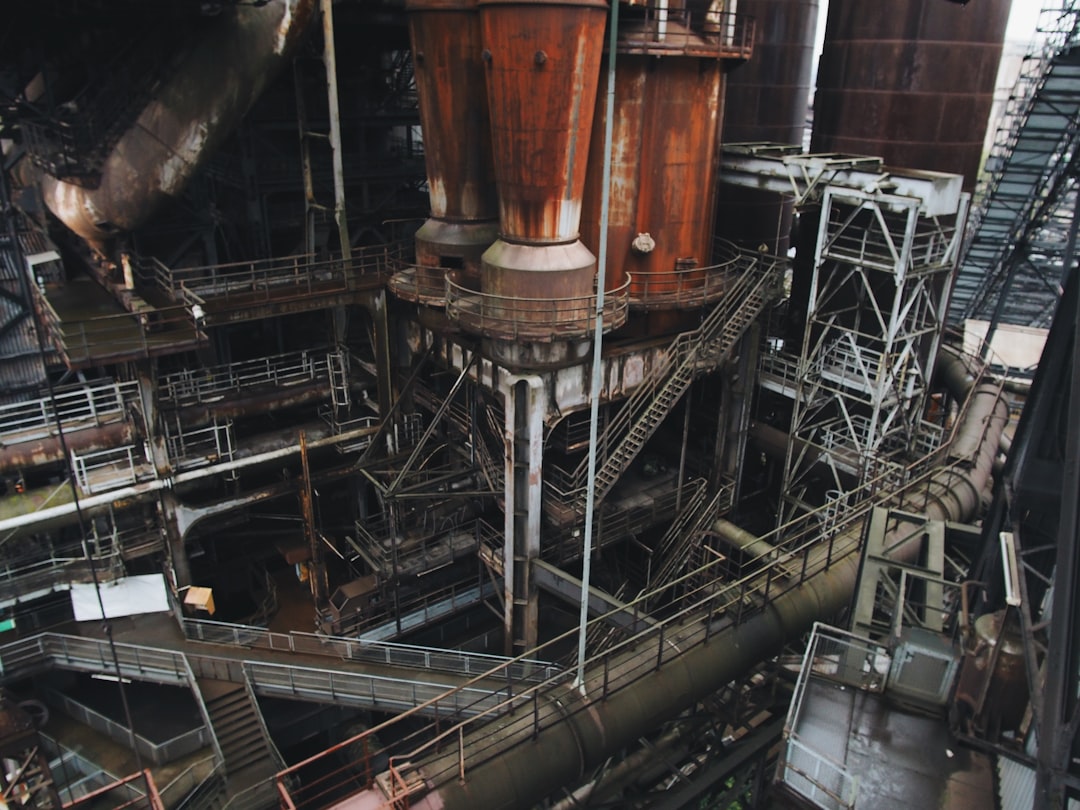
Industrial consumption analysis.
Base Metals Demand Trends: Analyzing Industrial Consumption and Future Prospects
The global economy currently navigates a complex landscape characterized by persistent inflation, evolving monetary policies, and geopolitical shifts. Against this backdrop, base metals – critical inputs for industrial activity, infrastructure development, and the burgeoning green energy transition – are experiencing dynamic demand trends. From copper’s role in electrification to aluminum’s omnipresence in manufacturing, understanding the forces shaping their consumption is paramount for investors and market participants. As central banks cautiously approach interest rate decisions and major economies recalibrate growth forecasts, the industrial heartbeat, reflected in base metals demand, offers crucial insights into the broader economic trajectory and potential investment opportunities.
Market Overview: A Tale of Two Economies
Global industrial production, a primary driver of base metal demand, has presented a mixed picture recently. While some emerging markets, particularly in Asia, show resilience fueled by domestic consumption and targeted government spending, developed economies grapple with manufacturing slowdowns and high energy costs. China, as the world's largest consumer of most base metals, continues to exert significant influence. Its post-pandemic recovery has been uneven, with robust infrastructure spending providing a floor for demand in sectors like steel and copper, but a struggling property market dampening overall consumption growth for materials like aluminum and zinc. Conversely, the European Union faces headwinds from high energy prices and tightening monetary policy, impacting industrial output and metal demand. The United States, while showing surprising resilience in certain sectors, is also seeing manufacturing indices moderate, signaling potential future softening in demand for key industrial inputs.
Key Analysis: Sectoral Drivers and Disruptions
Copper: The Bellwether of Global Growth
Copper demand remains a key indicator of global economic health, driven by its extensive use in construction, electrical infrastructure, and increasingly, renewable energy technologies. Recent data from the International Copper Study Group (ICSG) indicates a projected growth in global refined copper consumption, albeit at a moderated pace of around 2-3% year-on-year. This growth is predominantly fueled by the electric vehicle (EV) revolution and renewable energy projects. An EV requires approximately 83 kg of copper, significantly more than a traditional internal combustion engine vehicle (23 kg). Similarly, wind and solar power generation infrastructure are highly copper-intensive. However, traditional demand from housing and general construction has shown some weakness, particularly in China and Europe. Supply-side constraints, including dwindling ore grades and geopolitical risks affecting major mining regions like Chile and Peru, continue to underpin copper prices, creating a structural deficit against long-term demand.
Aluminum: Caught Between Green Transition and Energy Costs
Aluminum demand is experiencing a fascinating duality. On one hand, its light-weighting properties make it indispensable for the automotive and aerospace industries striving for fuel efficiency, and it's a critical component in packaging and electronics. The push for sustainability also favors aluminum due to its high recyclability. On the other hand, primary aluminum production is an incredibly energy-intensive process, making it highly susceptible to spikes in electricity prices. European smelters, for instance, have seen significant curtailments in production capacity, estimated at over 1 million tonnes, since late 2021 due to soaring energy costs. This has shifted global production shares and increased reliance on imports from regions with lower energy prices, such as the Middle East and China. Demand from the EV battery casing sector is growing rapidly, partially offsetting weaker construction-related demand.
Zinc and Nickel: Industrial Mainstays Under Pressure
Zinc, primarily used for galvanizing steel to prevent corrosion, sees its demand closely tied to the fortunes of the construction and automotive sectors. Global zinc consumption growth is expected to be modest, around 1.5-2.0% in the coming year, reflecting the slowdowns in these key industries. While infrastructure projects offer some support, the overall outlook remains somewhat muted. Nickel, once predominantly driven by stainless steel production, is now increasingly influenced by the burgeoning EV battery market. Class 1 nickel, preferred for batteries, is experiencing a structural demand surge, while Class 2 nickel still relies heavily on traditional industrial uses. Price volatility in nickel has been significant, reflecting the delicate balance between robust battery demand growth and existing oversupply in certain grades.
Trading Implications and Strategy
For traders and investors, understanding these nuanced demand trends is crucial for formulating effective strategies in base metals. Given the strong correlation between base metals and global industrial activity, investors often use them as a proxy for economic health. Long-term strategic plays could involve investing in physical ETFs or futures contracts based on metals with significant exposure to the green energy transition, such as copper and high-grade nickel, positioning for sustained demand growth over the next decade. Tactical trading opportunities may arise from supply disruptions, energy price fluctuations affecting smelter output, or shifts in national industrial policies in major consuming nations like China. For instance, a stronger-than-expected recovery in China's property sector could provide a short-term boost to aluminum and steel-related metals. Furthermore, the increasing differentiation between 'green' and 'traditional' demand for metals like nickel presents opportunities for specialized trading desks focusing on the battery supply chain. Hedging strategies using options can mitigate risks associated with price volatility.
Risk Considerations
- Global Economic Slowdown: A deeper-than-expected global recession would significantly curtail industrial output and base metal demand, leading to price declines.
- Geopolitical Instability: Conflicts in key mining or transit regions can disrupt supply chains and impact metal availability and prices.
- Interest Rate Hikes: Tighter monetary policies globally could dampen manufacturing activity and investment in infrastructure, consequently reducing metal demand.
- Supply Chain Disruptions: Port congestion, labor disputes, or renewed pandemic-related lockdowns can create bottlenecks, affecting both supply and demand dynamics.
- Technological Advancements: The development of substitutes or more efficient material usage could temper demand for specific base metals in the long run.
- Currency Fluctuations: As most base metals are priced in USD, a strengthening dollar can make metals more expensive for international buyers, potentially reducing demand.
Conclusion and Outlook
The trajectory of base metal demand is undeniably intertwined with the twin forces of global industrial cycles and the accelerating green energy transition. While traditional industrial consumption faces headwinds from inflationary pressures and economic moderation in some regions, the structural demand arising from electrification, renewable energy infrastructure, and electric vehicles provides a robust floor and significant growth potential for the medium to long term. Copper and specific grades of nickel appear particularly well-positioned for sustained demand growth, supported by global decarbonization efforts. Aluminum, while facing short-term energy cost pressures, also stands to benefit from its role in sustainable manufacturing. Investors should remain vigilant, monitoring not only macroeconomic indicators but also detailed sectoral data, policy shifts in major economies, and the pace of the global energy transition. The base metals market, though volatile, offers compelling opportunities for those who can navigate its intricate dynamics and anticipate the next industrial consumption wave.
Frequently Asked Questions
Related Stories
Wheat Price: Key Levels, Geopolitical Risks & Volatility
Wheat prices saw a notable 3.22% increase today, closing at 601.50 amidst growing global conflict and macro cross-currents. This analysis delves into the drivers, mechanics, and potential...
TTF Gas Price Volatility: Geopolitics & Key Levels Next
TTF Gas futures are experiencing heightened volatility, driven by geopolitical tensions and shifting market dynamics. With prices tracking for the largest weekly gain in four years, active traders...

Silver Volatility: Navigating Geopolitical Risks & Key 82.850 Levels
Silver prices have experienced a significant surge, reflecting a complex interplay of geopolitical risks, supply-demand deficits, and broader market dynamics. Active traders must navigate these...

Natural Gas Soars 4.23%, Geopolitical Risks Drive NG=F
Natural Gas futures (NG=F) surged over 4% today, driven by competing fundamentals and ongoing geopolitical tensions. Traders are closely monitoring key technical levels and market structure for...