
Cocoa Supply Remains Tight
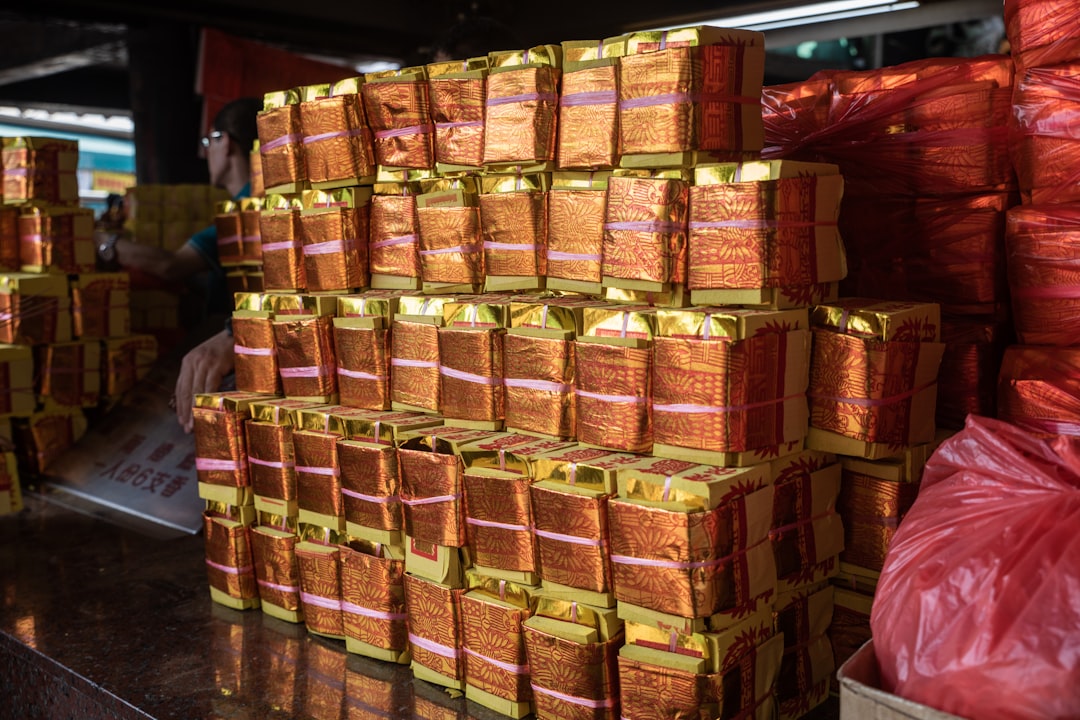
West Africa crop concerns persist.
The global cocoa market remains on edge, with prices continuing their volatile ascent amidst persistent concerns over West African crop yields. As we enter the crucial harvesting period, adverse weather conditions, disease outbreaks, and underinvestment are fueling a supply deficit that has driven cocoa futures to multi-year highs. Traders and confectioners alike are grappling with unprecedented market dynamics, underscoring the fragile balance between global demand and a concentrated supply chain.
Market Overview: A Perfect Storm for Cocoa Prices
Cocoa futures have been the commodity story of the year, witnessing an extraordinary rally fueled by a confluence of supply-side pressures. Benchmark ICE New York cocoa futures (CCc1) soared past $10,000 per metric ton earlier this year, a level previously unimaginable, before consolidating. While off its absolute peak, prices remain historically elevated, reflecting deep-seated issues in the world's primary cocoa-producing regions – Côte d'Ivoire and Ghana. These two West African nations collectively account for approximately 60-70% of global cocoa output, making their agricultural fortunes critical to the entire supply chain.
Reports from both countries indicate a challenging mid-crop season following a disappointing main crop. Factors such as consistent heavy rainfall, followed by periods of dryness, and the pervasive spread of the Cocoa Swollen Shoot Virus Disease (CSSVD) have severely hampered production. Furthermore, years of underpayment to farmers have led to reduced investment in farm maintenance and replanting, exacerbating the problem. The International Cocoa Organization (ICCO) recently projected a significant global supply deficit for the 2023/24 season, estimated at around 374,000 metric tons, a stark contrast to previous surpluses.
Key Analysis: Unpacking the Supply Deficit
West African Crop Underperformance
The primary driver behind the tight supply is the substantial underperformance of cocoa farms in Côte d'Ivoire and Ghana. Weather patterns have been erratic; early season heavy rains stimulated initial growth but then led to waterlogging and disease. Subsequent dry spells in some areas have stressed trees further. Government data from Côte d'Ivoire indicated a cumulative cocoa arrival at ports of approximately 1.7 million tons by late April, significantly down from over 2.1 million tons during the same period last year – a decline of over 20%. Similarly, Ghana's output is expected to be substantially lower than its target, with projections suggesting a potential drop of up to 30% from previous forecasts.
Impact of Disease and Aging Trees
The Cocoa Swollen Shoot Virus Disease (CSSVD) continues to plague West African plantations. This devastating viral infection, spread by mealybugs, causes reduced yields, deformed pods, and eventually tree death. Despite efforts, widespread eradication and replanting programs have been insufficient to contain its spread effectively. Compounding this is the issue of aging cocoa trees. Many farms are comprised of trees that are 20-30 years old or more, well past their peak productivity. Replanting is a long-term solution, requiring 3-5 years for new trees to mature, and is often hindered by farmers' financial constraints and lack of incentives.
Logistical Challenges and Funding Gaps
Beyond farm-level issues, logistical hurdles contribute to supply tightness. Poor road infrastructure, especially in remote growing areas, can delay the transportation of beans to ports and storage facilities. Furthermore, the funding mechanisms for cocoa farmers, often dictated by their respective marketing boards, have historically kept farm-gate prices low. This chronic underpayment disincentivizes investment in modern farming techniques, fertilizers, and pest control, trapping farmers in a cycle of low productivity and limited capacity for growth.
Trading Implications and Strategy
For traders, the cocoa market presents both opportunities and significant risks. The current environment suggests a continued bullish bias, especially on dips, as long as the fundamental supply narrative persists. Futures contracts, particularly those for nearby delivery months (e.g., July '24, September '24), are likely to remain sensitive to crop reports and weather forecasts from West Africa. Technical analysis suggests that key support levels around $8,500-$9,000 per ton could act as significant buying zones, while resistance at historical highs above $10,000 will be closely watched.
However, volatility is extreme. Flash crashes or sharp corrections are possible on any news suggesting improved crop conditions or unexpected selling pressure. Hedging strategies for confectioners and industrial users have become critical to manage procurement costs. Speculators should employ strict risk management, considering the potential for rapid price swings. Diversification within a commodity portfolio is advisable, as cocoa's recent performance is somewhat idiosyncratic.
Risk Considerations
- Extreme Price Volatility: Cocoa is currently one of the most volatile commodities, making rapid capital swings possible.
- Concentrated Supply Risk: High dependence on West Africa introduces significant geopolitical and weather-related risk.
- Forecasting Uncertainty: Crop estimates are subject to frequent revisions, leading to market uncertainty.
- Liquidity Risk: While active, sudden market shifts could impact liquidity for large orders.
- Regulatory or Policy Changes: New regulations in producer countries or consuming nations (e.g., sustainability mandates) could impact prices.
Conclusion: A Protracted Period of Tight Supply
The global cocoa market faces deeply embedded structural challenges that are unlikely to resolve quickly. While extreme prices may eventually incentivize some increase in production from other regions, the dominance of West Africa means that its struggles will dictate global supply for the foreseeable future. Confectioners are already signaling potential price increases for chocolate products, reflecting the higher input costs. Traders should anticipate continued volatility, driven by weather patterns, disease control efforts, and the slow pace of agricultural investment. The short-to-medium term outlook remains one of tight supply and elevated prices, making careful monitoring and agile trading strategies paramount. Stay informed with FXPremiere Markets for the latest updates on this dynamic commodity.
Frequently Asked Questions
Related Stories

TTF Gas Volatility: Navigating Flows, Structure, & Next-Week Risk
TTF Gas (TTF=F) closed at 53.385, facing ongoing volatility driven by geopolitical tensions in Europe and the Middle East. Analysts highlight the importance of spread behavior and cross-asset...

Silver Volatility: Levels, Scenarios, & Key 83.816 Price Action
Silver remains a dynamic market influenced by macroeconomic factors and geopolitical tensions. We analyze the recent settlement, key levels, and potential scenarios for the week ahead.

Natural Gas NG=F: Weekend Snapshot & Key Levels for Traders
This weekend note provides a snapshot of Natural Gas (NG=F) after its last verified settlement, analyzing key drivers, critical levels for the next week, and probability-weighted scenarios for...

Gold Price Forecast: Levels, Scenarios, & Risk Factors
Gold's recent settlement at 5,146.10 raises questions about its near-term trajectory. This analysis delves into key levels, probability-weighted scenarios, and crucial risk factors shaping the...