
Commodity Index Weekly Review
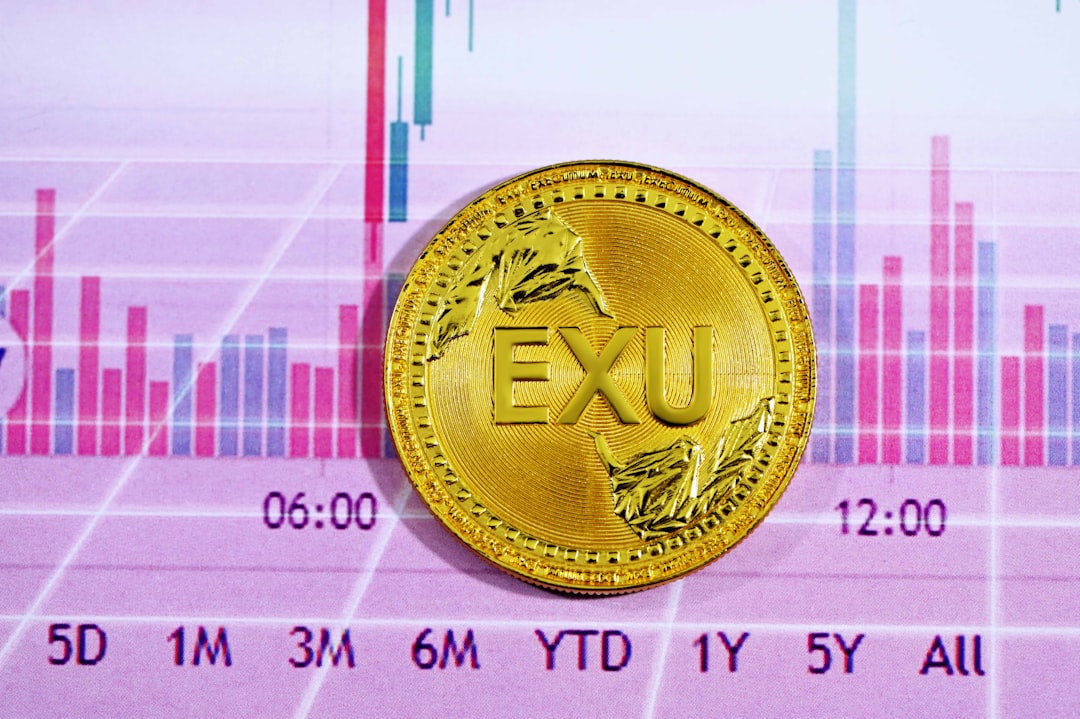
Broad market performance.
Commodity markets have once again proven their dynamic nature, navigating a complex web of geopolitical tensions, shifting monetary policy expectations, and evolving supply-demand fundamentals. As we conclude another trading week, the broad commodity index performance reflects a nuanced picture, with certain sectors demonstrating robust growth while others face headwinds. Investors keenly observe these movements, seeking opportunities amidst the volatility that inherently characterizes these essential raw materials. This week's review delves into the key drivers and notable shifts across the commodity landscape, providing an in-depth analysis for traders and investors alike.
Market Overview: A Week of Divergent Trends
The past week saw a mixed performance across the major commodity indices, indicative of underlying sector-specific drivers rather than a uniform market sentiment. Energy commodities, particularly crude oil, experienced a notable surge, buoyed by tightening supply concerns and an improving global demand outlook, despite lingering inflation fears. Industrial metals, conversely, showed a more subdued performance, with concerns over China's economic recovery partially offsetting supply-side constraints. Agricultural commodities presented a varied picture, influenced by weather patterns in key growing regions and ongoing geopolitical impacts on grain exports.
The broader Bloomberg Commodity Index (BCOM) registered a modest weekly gain of approximately 0.8%, primarily driven by the energy complex. The S&P GSCI, which is more heavily weighted towards energy, saw a stronger advance, up around 1.5%. These movements underscore the critical role that energy prices continue to play in dictating the overall direction of the commodity sphere, often acting as a bellwether for broader economic activity and inflationary pressures.
Key Analysis: Sectoral Deep Dive
Energy Sector: Oil's Upward Trajectory
Crude oil prices (WTI and Brent) were the standout performers this week. WTI crude futures climbed over 3.5%, breaking above the $80 per barrel mark, while Brent crude futures breached $85. This ascent was primarily fueled by robust inventory draws reported by the EIA, signaling tighter supply in the US, alongside OPEC+'s continued commitment to production cuts. Geopolitical tensions in the Middle East also provided a persistent risk premium. Natural gas, however, proved more volatile, with regional demand shifts and storage levels triggering price fluctuations, although overall ending the week marginally higher.
Metals: Gold's Resilience, Industrial Metals' Hesitation
Precious metals displayed resilience amidst a stronger dollar and rising bond yields. Gold (XAU/USD) held steady above the $2,300 per ounce level, benefiting from its safe-haven appeal amid global uncertainties and central bank buying. Silver, often seen as a hybrid precious and industrial metal, followed gold's lead but with slightly more volatility. In the industrial metals complex, copper (HG=F) experienced a consolidation phase after recent gains, with demand concerns from China's property sector tempering enthusiasm, despite long-term supply deficits. Aluminum and zinc saw marginal declines, reflecting a cautious outlook on global industrial output.
Agriculture: Weather and Geopolitics in Focus
Agricultural commodities were a mixed bag. Wheat futures saw an uptick, driven by adverse weather conditions in some major growing regions and renewed concerns over Black Sea grain export agreements. Corn and soybeans, however, experienced slight downward pressure as favorable planting conditions in parts of the Americas hinted at potentially strong harvests. Coffee and sugar prices saw modest gains, influenced by supply projections from key producing nations and currency movements.
Trading Implications and Strategy
The current commodity landscape suggests a bifurcated trading environment. For risk-averse investors, precious metals like gold continue to offer a hedge against inflation and geopolitical instability. For those seeking higher risk/reward, the energy sector, particularly crude oil, presents opportunities driven by fundamental supply constraints and improving demand. Traders should closely monitor OPEC+ announcements, EIA inventory data, and geopolitical developments for energy plays. In agricultural commodities, seasonal patterns and weather forecasts remain paramount, alongside monitoring export deals and global food demand indicators.
Given the divergence, a diversified approach within commodities could mitigate risk. Consider strategies like:
- Long-term strategic allocations: Maintain exposure to commodities with strong fundamental supply/demand narratives, such as copper (due to electrification trends) and certain agricultural products.
- Tactical short-term plays: Capitalize on price volatility in energy and specific agricultural markets driven by immediate news and data.
- Hedging strategies: Utilize commodity futures or options to hedge against inflation risks in a broader portfolio.
Always incorporate technical analysis to identify key support and resistance levels, alongside fundamental drivers, to pinpoint optimal entry and exit points.
Risk Considerations
- Geopolitical Volatility: Conflicts and political instability can rapidly impact supply chains and commodity prices, especially for energy and grains.
- Monetary Policy Shifts: Interest rate hikes and central bank rhetoric can strengthen the dollar, often pressuring commodity prices.
- Economic Slowdown: A deceleration in global growth, particularly in major consuming nations like China, can reduce demand for industrial commodities.
- Supply Disruptions: Extreme weather events, labor strikes, and infrastructure failures can severely impact commodity supply.
- Currency Fluctuations: Commodities are often priced in USD, making currency movements a significant factor in their valuation for non-USD holders.
Conclusion and Outlook
The commodity markets remain a vibrant and essential component of the global economy, offering both significant opportunities and inherent risks. As we look ahead, sustained geopolitical tensions and the ongoing energy transition are likely to keep markets dynamic. Expect continued strength in the energy sector as global demand slowly but surely recovers, while industrial metals may experience intermittent periods of caution due to China's economic uncertainties. Agricultural commodities will remain highly susceptible to weather patterns and evolving geopolitical landscapes.
FXPremiere Markets advises traders to maintain a vigilant watch on key economic indicators, central bank communications, and geopolitical developments. A flexible and well-researched strategy will be crucial for navigating the evolving commodity landscape and capitalizing on the opportunities it presents in the coming weeks.
Frequently Asked Questions
Related Stories
Wheat Price: Key Levels, Geopolitical Risks & Volatility
Wheat prices saw a notable 3.22% increase today, closing at 601.50 amidst growing global conflict and macro cross-currents. This analysis delves into the drivers, mechanics, and potential...
TTF Gas Price Volatility: Geopolitics & Key Levels Next
TTF Gas futures are experiencing heightened volatility, driven by geopolitical tensions and shifting market dynamics. With prices tracking for the largest weekly gain in four years, active traders...

Silver Volatility: Navigating Geopolitical Risks & Key 82.850 Levels
Silver prices have experienced a significant surge, reflecting a complex interplay of geopolitical risks, supply-demand deficits, and broader market dynamics. Active traders must navigate these...

Natural Gas Soars 4.23%, Geopolitical Risks Drive NG=F
Natural Gas futures (NG=F) surged over 4% today, driven by competing fundamentals and ongoing geopolitical tensions. Traders are closely monitoring key technical levels and market structure for...