
Crude Oil Jumps on OPEC Decision
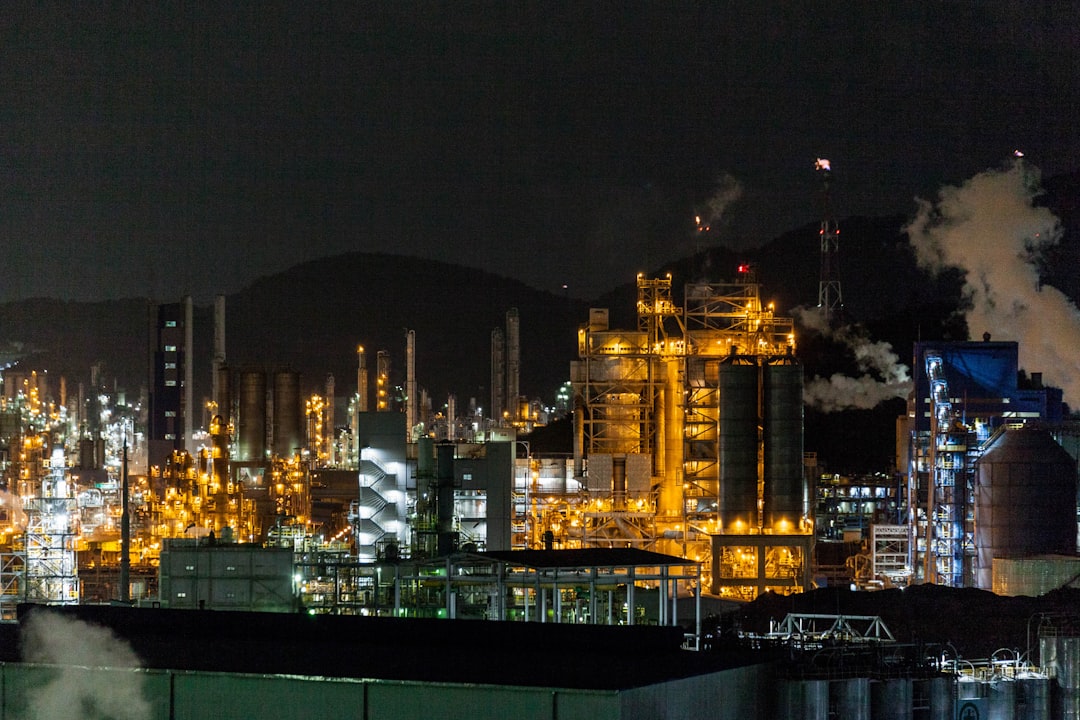
Production cuts extend.
Crude oil prices surged significantly this week, marking a robust reaction to the latest decision by the Organization of the Petroleum Exporting Countries (OPEC) and its allies, collectively known as OPEC+. The cartel's commitment to extending their current production cuts through 2024 has sent a clear signal to the market, underscoring their proactive stance on supply management amidst global economic uncertainties. This strategic move has immediately translated into higher futures contracts for both Brent and West Texas Intermediate (WTI) crude, prompting a reassessment of oil market dynamics by traders and analysts alike.
Market Overview and Context
The global oil market has been navigating a complex landscape characterized by volatile demand forecasts from major economies like China and Europe, and persistent concerns over inflation and interest rate hikes in the West. Prior to OPEC+'s announcement, crude oil prices had been trading within a relatively tight range, influenced by a tug-of-war between supply constraints and demand apprehension. Brent crude, the international benchmark, had hovered around the $80-$85 per barrel mark, while WTI, the U.S. benchmark, saw similar consolidation below $80.
OPEC+'s October 2022 decision to drastically cut production by 2 million barrels per day (bpd) was a defining moment, aimed at stabilizing prices and supporting the market. This latest extension of these cuts, explicitly through the end of 2024, signals a strong resolve to prevent a surplus and maintain price stability. Key players, including Saudi Arabia and Russia, reiterated their voluntary additional cuts, further tightening the anticipated supply. Saudi Arabia, for instance, affirmed its commitment to an extra 1 million bpd cut, continuing a policy initiated earlier in the year.
Key Analysis
OPEC+'s Strategic Rationale
The cartel’s decision is primarily driven by a desire to pre-empt any potential weakness in global oil demand stemming from a feared economic slowdown. By maintaining lower production levels, OPEC+ aims to keep the market in a deficit or tight balance, thereby underpinning prices. This strategy also seeks to create a buffer against unforeseen geopolitical events that could disrupt supply chains or impact energy consumption. The collective resolve demonstrated by disparate producers within the alliance highlights a shared interest in stable, higher oil revenues.
Impact on Global Supply and Demand
The extension of cuts essentially removes a significant volume of crude from the global market. With approximately 3.66 million bpd of cumulative production cuts now prolonged, including voluntary reductions, analysts anticipate a tighter supply-demand balance, especially in the second half of 2024. This reduction will likely counteract any softening in demand from major consumers, pushing crude inventories lower and solidifying the bullish sentiment. Major energy agencies, such as the IEA, will need to revise their supply forecasts to reflect this sustained constraint.
Geopolitical Undercurrents
Beyond economic reasoning, the move also carries geopolitical weight. It reinforces the influential position of OPEC+ in global energy markets at a time when Western nations are keen to see lower energy prices to combat inflation. This decision could exacerbate tensions between producing nations and consuming nations, potentially prompting strategic petroleum reserve releases from countries like the U.S. However, the immediate effect is a shift in market power firmly towards the producers.
Trading Implications and Strategy
For traders in the energy markets, this development presents clear opportunities and risks. The immediate reaction has been a strong upward trajectory for crude oil futures. Brent crude futures (LCOc1) have moved towards the $90 per barrel psychological resistance, while WTI futures (CLc1) are challenging the $85-$87 range.
- Long Positions: Traders with a bullish outlook on crude oil may consider establishing or adding to long positions, targeting levels such as $92 for Brent and $88 for WTI in the near term, with potential for further upside if demand holds strong.
- Hedging Strategies: Energy companies and airlines, which are often exposed to rising oil prices, might look to increase their hedging activities through options or futures contracts to lock in lower future costs.
- Intermarket Analysis: The rise in crude oil prices often has ripple effects on other asset classes. Inflationary pressures could be rekindled, impacting central bank monetary policy decisions and potentially strengthening commodity-linked currencies while weakening bonds.
- Volatility: Expect increased volatility in crude oil markets as traders digest the long-term implications of these cuts and react to incoming economic data and inventory reports.
Risk Considerations
- Global Economic Slowdown: A deeper-than-expected global recession could significantly dampen oil demand, potentially overriding the impact of supply cuts and leading to price depreciation.
- Compliance Issues: While historically high, OPEC+ compliance with production quotas is never guaranteed. Any significant deviation could ease supply tightness.
- Non-OPEC Supply: Increased production from non-OPEC countries, particularly the United States shale oil sector, could partially offset the cuts over time.
- Strategic Reserve Releases: Major consuming nations might release oil from their strategic reserves to counter rising prices, adding temporary supply to the market.
- Geopolitical Developments: Unforeseen geopolitical events, such as a major de-escalation in conflict zones or new sanctions, could swiftly alter market dynamics.
Conclusion and Outlook
OPEC+'s decision to extend production cuts into 2024 is a definitive statement of intent, signaling a proactive approach to managing global oil supply. This move has successfully injected bullish sentiment into the crude oil market, pushing prices upwards and resetting expectations. While the immediate outlook points towards tighter supply and sustained higher prices, the long-term trajectory will heavily depend on an intricate interplay of global economic health, geopolitical stability, and the ultimate effectiveness of these cuts against evolving demand patterns. Traders should remain vigilant, closely monitoring economic indicators, inventory reports, and any shifts in OPEC+ rhetoric, as these factors will be crucial in determining crude oil's price action throughout the remainder of the year and into 2025.
Frequently Asked Questions
Related Stories
Wheat Price: Key Levels, Geopolitical Risks & Volatility
Wheat prices saw a notable 3.22% increase today, closing at 601.50 amidst growing global conflict and macro cross-currents. This analysis delves into the drivers, mechanics, and potential...
TTF Gas Price Volatility: Geopolitics & Key Levels Next
TTF Gas futures are experiencing heightened volatility, driven by geopolitical tensions and shifting market dynamics. With prices tracking for the largest weekly gain in four years, active traders...

Silver Volatility: Navigating Geopolitical Risks & Key 82.850 Levels
Silver prices have experienced a significant surge, reflecting a complex interplay of geopolitical risks, supply-demand deficits, and broader market dynamics. Active traders must navigate these...

Natural Gas Soars 4.23%, Geopolitical Risks Drive NG=F
Natural Gas futures (NG=F) surged over 4% today, driven by competing fundamentals and ongoing geopolitical tensions. Traders are closely monitoring key technical levels and market structure for...