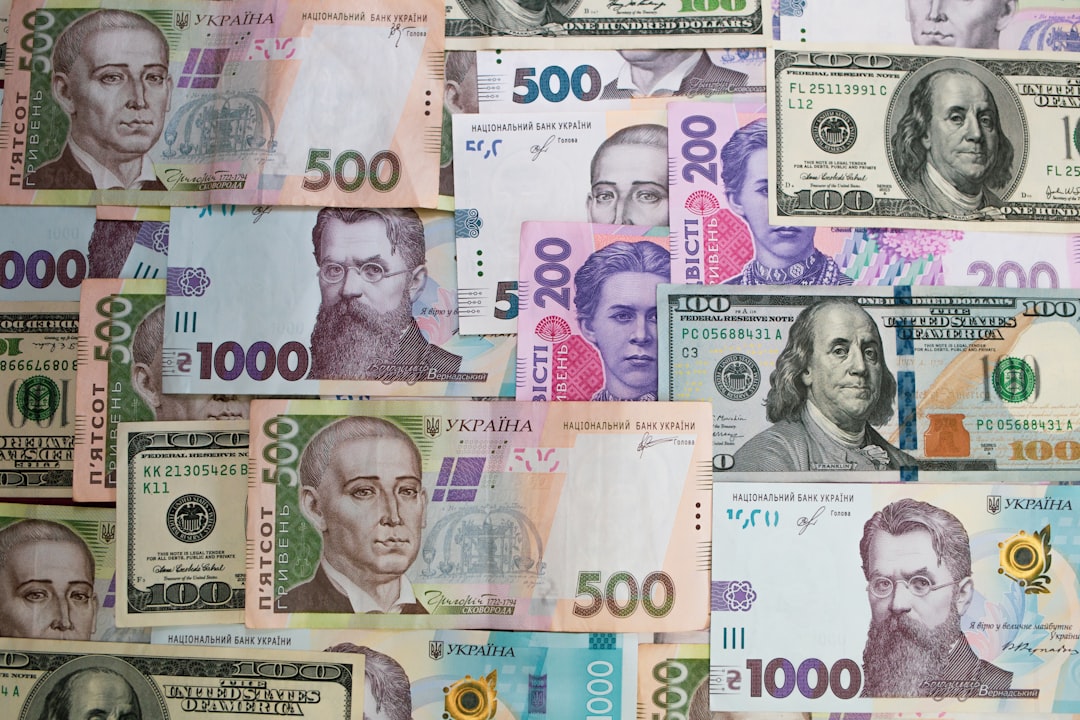
Russia's central bank has surprised markets with a 50 basis point rate cut, bringing its key rate to 15.5%. This move signals a significant pivot from prior strict inflation targeting towards a strategy emphasizing economic growth protection, especially as the 2026 growth outlook anticipates a slowdown.
Russia Central Bank Shifts Monetary Policy Focus
Today's market landscape is a complex interplay of real-time data and impending economic events. Notably, Russia's central bank has delivered a strong signal with its decision to cut the key rate by 50 basis points to 15.5%, simultaneously guiding towards an average 2026 policy rate range of 13.5% to 14.5%. This action is a clear acknowledgment that economic growth momentum is decelerating, and the marginal benefits of excessively restrictive monetary policy are diminishing as economic activity softens.
The core of this policy message lies in its balancing act. While the central bank forecasts inflation at 4.5% to 5.5% this year—a range still above ideal comfort levels for a definitive policy pivot—it has also marked down its growth outlook, anticipating flagging growth slowing into a 0.5% to 1.5% range for 2026. Such a combination typically leads to a cautious easing cycle, where the authorities aim to alleviate pressure on the real economy without inadvertently triggering currency depreciation or de-anchoring inflation expectations. For traders keenly watching the RUB to USD live rate, this equilibrium is critical.
Market Interpretation and FX Channel Response
The critical question for the market is whether this rate cut represents front-loaded insurance against a sharper downturn or the genesis of a prolonged easing trajectory. If the currency maintains stability and inflation expectations remain anchored, the central bank retains flexibility for further adjustments. However, any deterioration in either of these factors would necessitate a slowdown or pause in easing, even if real rates remain positive, albeit less punitive. Understanding the RUB USD price dynamics will be key to gauging market sentiment.
The market's most immediate sensitivity lies in the front end of the yield curve. Any new data point that prompts a re-pricing of the near-term policy rate path tends to rapidly influence FX markets, equities, and commodity risk premia. The transmission mechanism is straightforward: lower interest rates ease domestic financing conditions, but they also alter the relative attractiveness of the RUB carry trade. In an environment shaped by geopolitics and capital controls, the foreign exchange channel, reflecting the RUB USD price live, can quickly become the dominant factor. The central bank will undoubtedly monitor this channel as the primary constraint on any further easing measures.
Navigating Market Impulses and Future Catalysts
From a broader market perspective, traders should first observe the rates impulse, followed by the risk impulse. When these two align, price movements tend to extend. Conversely, when they are contradictory, price action often becomes choppy and reverts to the mean. Over the next 24 hours, the focus will be on whether this new information fundamentally alters the market's baseline outlook rather than merely confirming existing views. This distinction is crucial for determining follow-through in trading. Those tracking the RUB USD chart live will be looking for sustained movements.
What matters next will be the trajectory of inflation prints leading into March and how local interest rates and the RUB USD realtime exchange rate respond to this initial policy step. If domestic bond yields decline without causing significant disruptions in the FX market, it would validate the growth-protection narrative. However, a sharp reaction in the currency would quickly narrow the window for further easing. Early-year data can often be noisy due to seasonal adjustments and price resets, making it important to compare several months of data rather than overemphasizing a single release. The Russia Ruble USD price live is also influenced by such seasonal factors.
The global macroeconomic environment of 2026 is characterized by ongoing disinflation, the impact of fiscal and industrial policies, and a shift in demand from goods to services. Data points that speak to these foundational pillars tend to have a disproportionate impact on markets. For investors, a key checklist includes: identifying whether the surprise lies in the headline or the underlying composition of the data; observing if the market reaction maintains its direction through the London and New York trading handovers; determining whether real yields or breakeven inflation rates are leading the move; and assessing if the movement broadens across various asset classes or remains localized. Monitoring the Russia Ruble USD price requires attention to these intricate details.
Risk Management and Signal Discipline
In anticipation of a widely expected event, the immediate market reaction can sometimes be counterintuitive. If the market is heavily hedged, an in-line print might trigger a relief rally. Conversely, if sentiment is overly complacent, even a minor upside surprise can lead to an outsized repricing. The only reliable filter is whether the rates market confirms the move and if the price action persists into the subsequent liquidity window. When looking at the RUB USD live chart, it's crucial to distinguish between initial, liquidity-driven spikes and sustained, fundamental repricing.
For signal analysis, differentiate between the market's first 5-minute reaction and its 1-hour reaction. The initial burst is often driven by liquidity and stop-loss orders, while the longer-term move reflects genuine participation from real money and the transfer of risk between trading desks. If the 1-hour move aligns with the initial direction, it is more likely a genuine repricing of expectations. The market maps data surprises into three variables: the expected policy path, the terminal rate, and the confidence interval around both. The first drives immediate reactions, while the third determines if volatility persists after the headline news. Carry, the interest rate differential, can cause abrupt moves when volatility rises, affecting the RUB to USD live rate significantly. The next catalyst is crucial as it will validate whether today's signal was noise or a genuine shift.