
UK Housing Firms Up: Halifax Signals Price Floor in early 2026
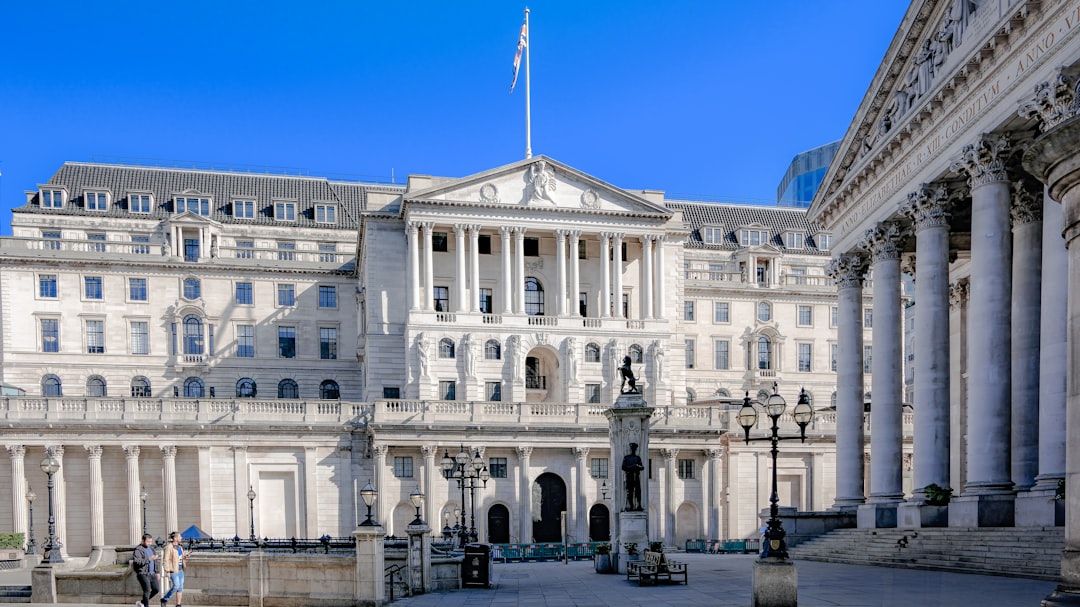
UK house prices rose 0.7% in January according to Halifax, pushing the average price above £300,000 and suggesting a stabilization in household wealth.
The UK housing tape started February with a mild upside surprise as Halifax reported a stronger month-on-month rise in prices, pushing the average valuation above the critical £300,000 threshold. While this move is modestly supportive for household wealth effects, market participants are debating whether this represents a true "re-acceleration" or simply a range-bound stabilization amidst ongoing affordability constraints.
Halifax Data Breakdown: January 2026
The latest figures from Halifax show a +0.7% month-on-month increase, bringing the annual growth rate to +1.0%. The average UK property now sits at £300,077. From a macro perspective, housing is a lagging indicator, but it remains a vital pulse for consumer confidence and credit growth. This data suggests that the late-2025 softness has not transitioned into a structural downtrend.
In the currency markets, the GBP USD price often reflects the broader health of the UK economy. When domestic indicators like housing find a floor, it can shift the narrative regarding the Bank of England's easing cycle. Traders monitoring the GBP USD live chart will note that while housing isn't a primary driver of central bank policy, it reduces the immediate pressure for aggressive rate cuts.
The Three Layers of Housing Interpretation
1. Interest-Rate Pass-Through
Even with a stable policy rate, mortgage pricing maintains its own volatility. Small fluctuations in mortgage spreads can materially alter monthly affordability. For those tracking the GBP USD realtime feed, the correlation between bond yields and mortgage pricing remains a key variable for property demand.
2. Supply vs. Demand Dynamics
A modest gain in price may reflect tight inventory rather than a surge in buyer appetite. If transaction volumes remain muted, prices can drift higher purely due to a thin market. This makes the GBP to USD live rate sensitive to broader GDP growth figures more than individual price indices. The cable nickname for this pair is often used by traders when discussing these structural UK flows.
3. Regional Dispersion
The UK housing market rarely functions as a monolith. A national average can mask flat performance in London while the regions show resilience. Investors looking at the GBP USD chart live should consider that the wealth effect is geographically biased, affecting different consumption segments across the country.
Macro Translation and Risk Siting
For Sterling, the link to housing is often indirect. A firmer property market reduces the likelihood of a deep recession, but the GBPUSD price live will still take primary cues from rate differentials and global risk appetite. For a broader view of the European landscape, including inflation anchors, you may find our Europe Macro Analysis relevant.
The GBP USD price live is currently navigating a complex environment where the GBP/USD price live reflects a "slow grind" recovery. If housing slips again, it could trigger a confidence hit, whereas stabilization supports the current base case. Monitoring the GBP USD chart live alongside mortgage approvals will provide a better sense of whether this price floor has real sponsorship.
Tactical Takeaway
Treat the Halifax surprise as a risk reducer rather than a new bullish catalyst. It suggests the UK economy is not falling off a cliff, but it doesn't necessitate a tighter policy path. As the GBP USD live chart continues to trade macro surprises, remember that the first move is often rates-led, while the second reveals the underlying narrative strength.
Related Reading
- Europe Macro Analysis: Disinflation Mix and ECB Policy Caution
- US Jobless Claims and DXY Volatility: A Macro Data-Risk Framework
Frequently Asked Questions
Related Stories

Korea's Business Confidence Dips: A Cautious Signal for Global Economy
Korea's business confidence index fell to 73 in February, signaling potential caution for global manufacturing and tech cycles due to its significant export mix. This dip suggests firms face...

EU Auto Registrations Rise 5.8%: A Glimmer for Europe's Economy
New car registrations in the EU saw a 5.8% year-on-year increase in January, suggesting a potential stabilization in consumer demand and industrial supply chains within Europe after a previous...

China's FDI Slump: A Red Flag for Global Confidence & Growth
China's foreign direct investment (FDI) saw a sharp decline of 9.5% year-on-year in January, a significant deterioration that raises concerns about investor confidence and long-term capital...

Brazil's Negative FDI: A Signal or Noise for FX and Rates?
Brazil's January external accounts showed a current account deficit of -$3.36 billion and a notable -$5.25 billion in foreign direct investment outflow. This raises questions about external...