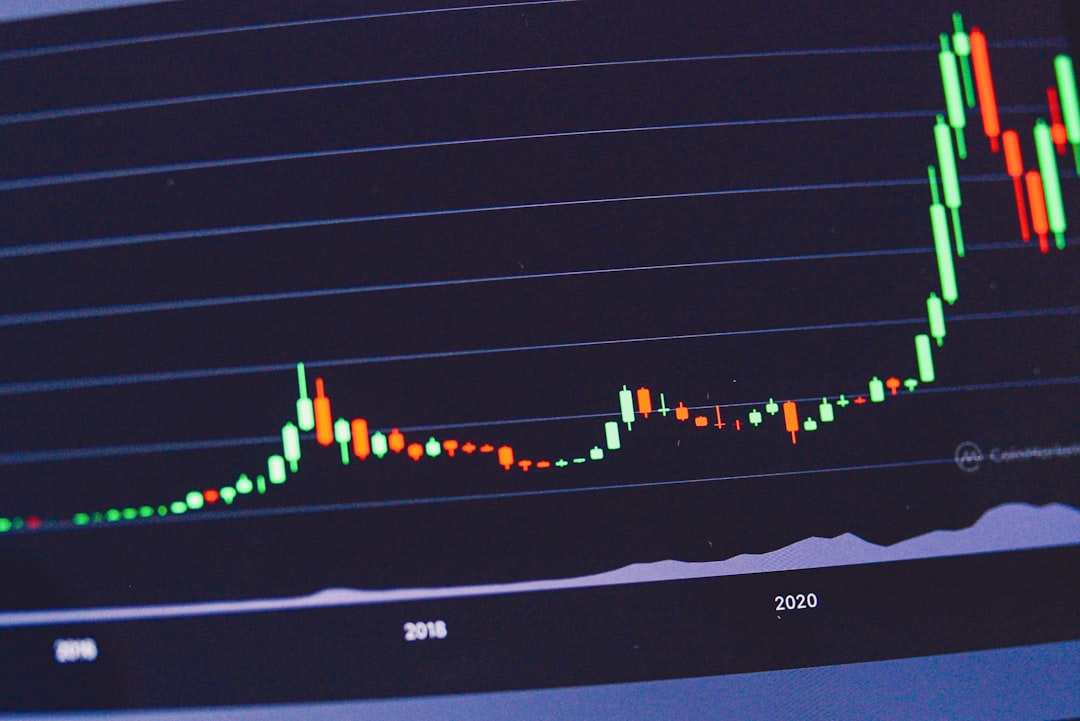
The GBP/USD exchange rate saw a modest easing of risk premia during the January 22nd session, allowing the pair to climb +0.50% and finish near the psychologically significant 1.35000 handle. While the market maintains a cautious posture, levels and liquidity have become the primary drivers over pure conviction in the current macro environment.
GBP/USD Price Level Map
During today's London and New York sessions, volatility remained contained within a defined range of 1.34059–1.35024. For traders navigating the next 24 hours, the following technical ladder provides the framework for regime identification:
- Pivot Point: 1.34687 (The critical line for regime switching)
- Resistance Levels: 1.35024 → 1.35500 → 1.37000
- Support Levels: 1.34059 → 1.33500 → 1.32000
Intraday Flow and Market Behavior
The progression of the session highlighted a classic liquidity-driven tape. The Asia-to-London handover established a well-defined range with balanced two-way flow. Subsequent tests of the range boundaries in London saw quick snap-backs to the mean, suggesting that market participants are currently prioritizing rebalancing and hedging over directional momentum.
Positioning analysis indicates that price pinning near the 1.35000 figure often reflects a competition between real-money rebalancing and short-term momentum traders. In this environment, the "first touch" of a level is typically the lowest-quality entry; higher conviction is found when a level holds on a pullback, confirming acceptance of the new price zone.
Intermarket Correlations and Rates Transmission
A notable "tell" in the current market is the broad softness of the US Dollar despite relatively firm US Treasury yields. This divergence suggests that idiosyncratic narratives or pro-cyclical demand—where currencies like AUD, NZD, and CAD are outperforming—are doing the heavy lifting.
If US front-end rates continue to move without a corresponding reaction in GBP/USD, it likely signals that the market is charging a separate risk premium in the USD or that local UK factors are dominating the narrative.
Strategic Outlook: Buy Dips or Sell Rallies?
The technical bias for the coming sessions depends entirely on the 1.34687 pivot. Treat this level as a regime switch:
- Bullish Case: Acceptance (time spent) above 1.35024 suggests a trend extension. If spot holds the pivot on pullbacks, the market is "paying for the move," and dips remain buyable.
- Bearish Case: A failure to hold the 1.34687 pivot on a retest shifts the probability toward a full rotation back to the lower edge of the range near 1.34059.
Traders should remain wary of false breaks around round numbers. Confirmation through follow-through across both London and New York windows is essential before declaring a shift from range-bound to trending behavior.