
Taiwan Weighted Index Update
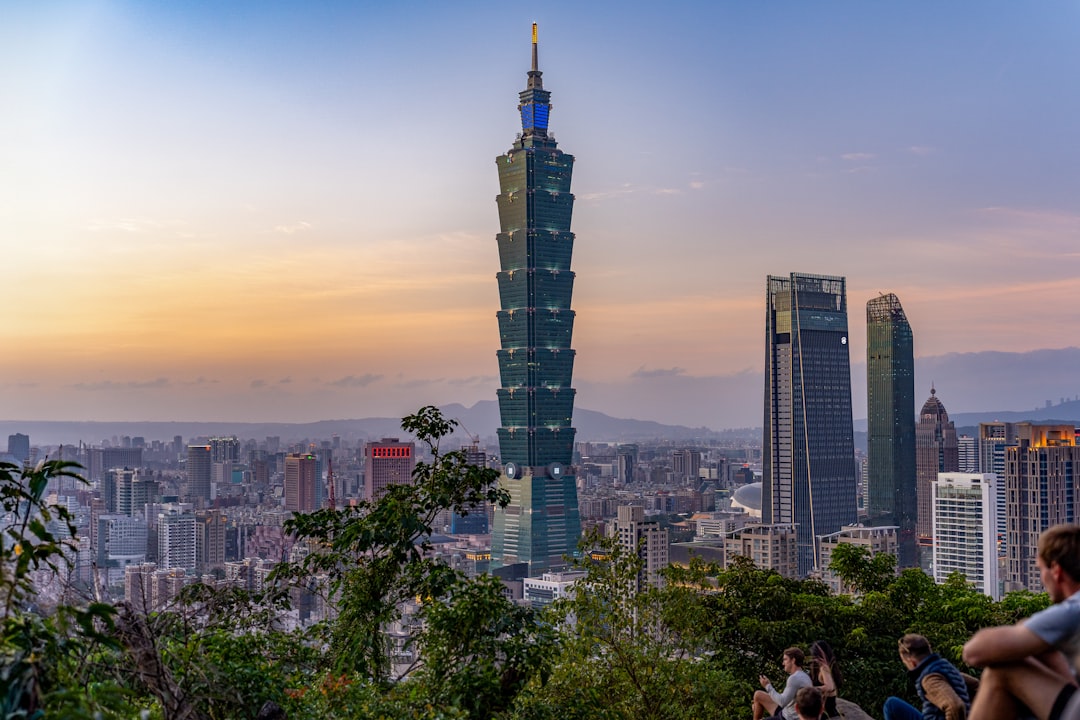
Tech-heavy index performance.
In recent trading sessions, global equity markets have exhibited a nuanced performance, influenced by evolving macroeconomic conditions, inflationary pressures, and geopolitical developments. Amidst this backdrop, investors are keenly observing the performance of key regional indices, particularly those heavily weighted towards the technology sector. The Taiwan Weighted Index (TWII), a bellwether for the global tech supply chain, continues to be a focal point, reflecting not just domestic economic health but also broader trends in semiconductor demand and technological innovation.
Market Overview: Taiwan's Economic and Sectoral Landscape
Taiwan's economy is uniquely positioned at the heart of the global technology sector, particularly in semiconductor manufacturing. The Taiwan Weighted Index, often referred to as the Taiex, is a market-capitalization-weighted index of all common shares listed on the Taiwan Stock Exchange (TWSE). Its performance is heavily influenced by a handful of technology giants, most notably Taiwan Semiconductor Manufacturing Company (TSMC), which alone can account for a significant portion of the index's movement. This concentration makes the TWII highly sensitive to technological cycles, global demand for electronics, and strategic geopolitical shifts related to semiconductor production.
Recent economic data from Taiwan has shown resilience, with Q1 2024 GDP growth revised upwards to 6.56% year-on-year, primarily driven by robust export performance and solid domestic consumption. Inflation, while present, has been managed, with the Consumer Price Index (CPI) hovering around 2.0% in recent months, largely within the central bank's target range. However, headwinds remain, including lingering concerns over global trade tensions, potential slowdowns in key export markets, and the persistent challenge of maintaining competitive advantage in a rapidly evolving technological landscape.
Key Analysis: Navigating the Tech-Driven Momentum
Performance Drivers and Challenges
The Taiwan Weighted Index has demonstrated remarkable strength, primarily fueled by the accelerating demand for Artificial Intelligence (AI) technologies. This demand has translated into significant order books for advanced semiconductor manufacturing, benefiting leading Taiwanese firms. As of the latest close, the TWII stood at approximately 23,250 points, having surged by over 2.5% in the past week and nearly 25% year-to-date. This strong performance significantly outperforms many other major global indices, underscoring the market's confidence in Taiwan's technological prowess.
A primary driver has been the stellar performance of large-cap tech stocks. TSMC (2330.TW), a critical supplier to global tech giants, recently reported record revenues and a robust outlook, particularly for its advanced process technologies vital for AI chips. Other significant contributors include MediaTek (2454.TW), a major fabless semiconductor company, and Hon Hai Precision Industry (2317.TW), a key electronics manufacturer, both of whom have seen their share prices climb, buoyed by optimistic projections for their respective segments.
However, challenges persist. Geopolitical tensions across the Taiwan Strait continue to introduce an element of risk premium into the market. Furthermore, the global semiconductor cycle, while currently in an upturn, is inherently cyclical, and any potential oversupply or demand shock could impact future earnings. The increasingly competitive landscape, with other nations aggressively investing in domestic chip production, also poses a long-term strategic challenge for Taiwan.
Technical Levels and Indicators
From a technical perspective, the TWII has broken above several key resistance levels, indicating strong bullish momentum. The index is currently trading well above its 50-day and 200-day moving averages, which are acting as significant support levels. The Relative Strength Index (RSI) is in overbought territory, suggesting a potential for short-term consolidation or a minor pullback, but without necessarily signaling a trend reversal. Traders should monitor the 22,800-23,000 point range as a potential near-term support zone, while the next psychological resistance could be around the 23,500-23,800 mark. Volume analysis also points to sustained buying interest on upward movements, validating the current trend.
Trading Implications and Strategy
For traders and investors, the Taiwan Weighted Index presents opportunities alongside distinct risks. Given its tech-heavy composition, direct exposure to the TWII or its underlying constituents can provide leverage to the global AI and semiconductor boom.
- Long-Term Growth: Investors with a longer time horizon might consider direct investment in highly selective, fundamentally strong Taiwanese tech companies, particularly those innovating in AI, advanced packaging, and specialty semiconductors. ETFs tracking the TWII or broader Taiwanese equities could also be an option for diversified exposure.
- Short-Term Trading: Day traders or swing traders may look for opportunities to capitalize on short-term pullbacks towards key support levels, using technical indicators for entry and exit points. However, the high volatility associated with tech stocks demands robust risk management.
- Hedging Strategies: Given geopolitical risks, some investors might consider hedging strategies, such as options contracts or inverse ETFs, to mitigate potential downside exposure during periods of heightened uncertainty.
It is crucial to stay abreast of earnings reports from major index components, global technology demand forecasts, and any shifts in international trade policies that could impact Taiwan's export-oriented economy.
Risk Considerations
- Geopolitical Risks: The ongoing tensions across the Taiwan Strait remain the single largest systemic risk to the Taiwan market.
- Sector Concentration: Heavy reliance on the technology sector makes the index susceptible to industry-specific downturns or shifts in global demand.
- Global Economic Slowdown: As an export-driven economy, Taiwan is vulnerable to a slowdown in key international markets, particularly the US and China.
- Currency Fluctuations: The performance of the New Taiwan Dollar (TWD) against major currencies can impact returns for international investors.
- Supply Chain Disruptions: While resilient, the global semiconductor supply chain is not immune to disruptions from natural disasters, pandemics, or trade conflicts.
Conclusion and Outlook
The Taiwan Weighted Index continues to be a vibrant and crucial barometer for the global technology ecosystem. Its recent performance underscores the robust demand for advanced semiconductors and AI-related hardware, positioning Taiwan at the forefront of technological innovation. While the short-term outlook appears positive, supported by strong earnings and ongoing technological advancements, investors must remain vigilant regarding the inherent risks, particularly geopolitical uncertainties and the cyclical nature of the semiconductor industry.
FXPremiere Markets believes that the TWII is likely to maintain its upward trajectory in the near term, provided global AI demand remains robust and no significant negative geopolitical events occur. However, potential for profit-taking or consolidation exists as the index enters overbought territory. Long-term investors should focus on strategic entry points and diversification, while short-term traders should prioritize strict risk management in this high-momentum, high-volatility environment. Keeping a close watch on key economic indicators, corporate guidance, and geopolitical developments will be paramount for successfully navigating the performance of this pivotal index.
Frequently Asked Questions
Related Stories
US500 Price Volatility: Navigating Geopolitics and Key Levels
The US500 index is experiencing a two-way rotation, influenced by geopolitical tensions and shifting macro drivers. Traders are focusing on key cash levels and price action around the pivot for...

US100 Index Trading: Navigating Geopolitical Risks and Key Levels
The US100 index is exhibiting a two-way rotation within a headline-gated market, with geopolitical tensions and energy price surges influencing its movements. Traders are advised to focus on range...

US30 Consolidates Amid Geopolitical Tensions and Key Levels
The US30 index is navigating a period of consolidation, influenced by ongoing geopolitical tensions between the U.S. and Iran, leading to headline-gated price action and heightened volatility...

TSX Index Consolidation & Geopolitics: Navigating 34,390 Levels
The TSX Index currently navigates consolidation around the 34,390 level, heavily influenced by mixed macroeconomic signals and persistent geopolitical tensions, particularly those related to the...