
VIX Falls to Multi-Year Low
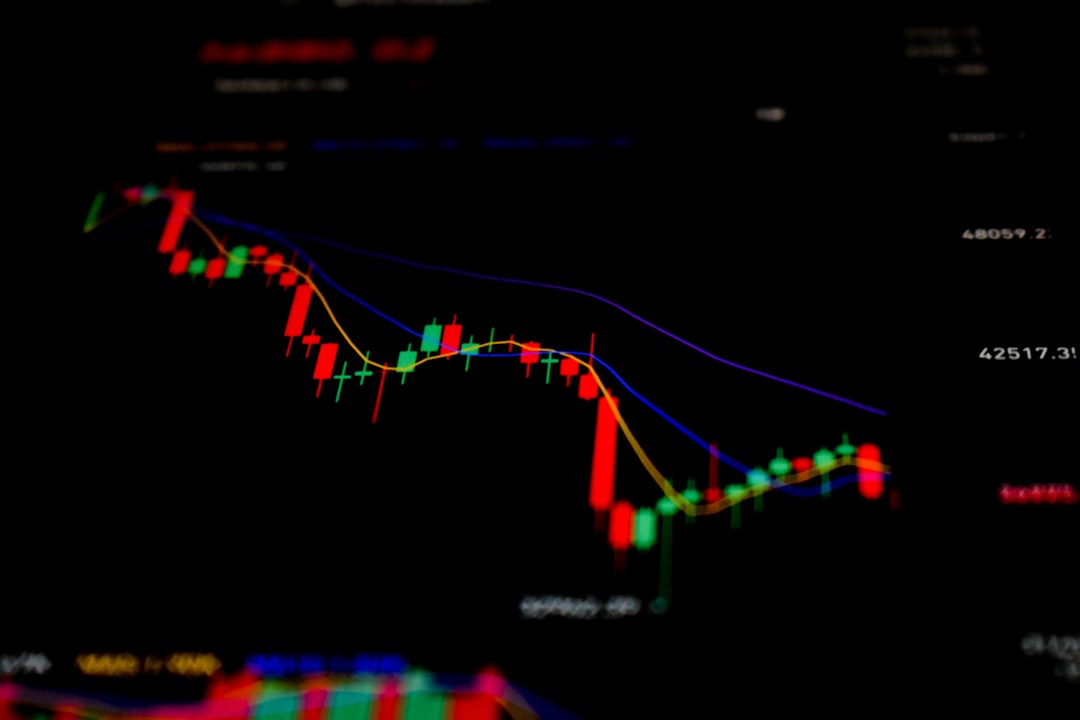
Volatility index drops.
In a move that has sent ripples of cautious optimism and strategic re-evaluation through global financial markets, the CBOE Volatility Index (VIX), often dubbed the market's 'fear gauge,' has plunged to its lowest levels in over three years. This significant decline, observed amidst a backdrop of resilient equity markets and tempering inflation concerns, signals a marked shift in investor sentiment, moving away from the heightened anxieties that characterized much of the recent past towards a seemingly more stable, albeit potentially complacent, environment.
Market Overview: A Retreat from Volatility
The VIX, which measures the market's expectation of 30-day forward-looking volatility implied by S&P 500 (SPX) index options, recently touched levels not seen since late 2020. This descent below the psychological 15-point threshold, and in some sessions even dipping towards 12, stands in stark contrast to its peaks during periods of intense market stress, such as the COVID-19 pandemic and the 2022 inflationary shock. The current environment is characterized by robust corporate earnings reports, hints of a 'soft landing' for major economies, and the growing conviction that central banks may be nearing the end of their tightening cycles, or at least adopting a more data-dependent stance.
Equity markets, particularly in the US, have responded positively to this perceived stability. The S&P 500 and Nasdaq Composite have demonstrated remarkable resilience, often shrugging off geopolitical tensions and minor economic data misses. The declining VIX further reinforces the narrative of a market less concerned with tail-risk events, leading to increased risk appetite among institutional and retail investors alike.
Key Analysis: Deciphering the VIX's Dip
The Role of Macroeconomic Factors
Several macroeconomic currents are converging to drive down market volatility. Firstly, inflation, while still elevated compared to pre-pandemic levels, has shown a consistent trend of moderation. Recent CPI figures, for instance, have indicated a cooling pace of price increases, alleviating some pressure on central banks to aggressively hike rates. Secondly, global growth forecasts, while modest, have avoided a widespread recession, particularly in key economic blocs. This 'soft landing' scenario has bolstered investor confidence, reducing the impetus for hedging via options, which directly impacts VIX computations.
Technical and Positional Dynamics
Beyond fundamentals, technical and positional factors are also at play. A sustained period of low volatility can breed complacency, leading to a feedback loop where investors sell volatility (e.g., through short VIX futures or options) in anticipation of continued quiet markets. This selling pressure inherently drives the VIX lower. Furthermore, the unwind of protective put positions and the reduced demand for new ones, as perceived risk diminishes, naturally reduces the implied volatility of S&P 500 options, contributing to the VIX's decline.
Comparison to Historical Trends
Historically, prolonged periods of low VIX have often preceded significant market corrections, leading some analysts to caution against excessive complacency. For example, before the 2008 financial crisis or the dot-com bubble burst, the VIX often traded in single digits or low teens for extended durations. While the current market structure and liquidity differ vastly from those periods, the historical pattern serves as a reminder that low volatility does not equate to zero risk.
Trading Implications and Strategy
For forex and financial market participants, a subdued VIX environment presents both opportunities and challenges:
- Carry Trade Revival: Lower volatility typically encourages currency traders to re-engage in carry trades, borrowing in low-interest-rate currencies to invest in higher-yielding ones, as the risk of sharp adverse movements is perceived to be lower.
- Equity Sector Rotation: In a low-volatility regime, growth stocks and sectors that typically underperform during high uncertainty might gain favor. Investors may rotate out of defensive assets towards more cyclical or technology-driven sectors.
- Options Strategies: For options traders, selling premium (e.g., selling covered calls or cash-secured puts) becomes more attractive as implied volatility declines, making option premiums cheaper and increasing the likelihood of options expiring worthless. However, buying options for hedging or directional plays might be less appealing due to lower leverage potential.
- Commodity Markets: While direct correlation is complex, reduced market uncertainty can sometimes lead to more stable commodity prices, as speculation related to tail risks diminishes. However, specific supply/demand dynamics remain paramount.
Risk Considerations
- Sudden Reversal: The VIX can spike dramatically and rapidly on unexpected news (e.g., geopolitical shocks, sudden economic downturns, central bank surprises). Traders shorting volatility could face significant losses.
- Complacency: A prolonged period of low VIX can breed overconfidence, leading investors to take on excessive risk.
- Underlying Weakness: A low VIX might mask underlying economic or systemic risks that have not yet manifested in market prices.
- Liquidity Traps: In extreme low-volatility environments, certain markets can become illiquid, making it difficult to exit positions without impacting prices significantly.
- False Signal: The VIX is a measure of expected volatility, not actual volatility. A low VIX doesn't guarantee a quiet market, merely that participants aren't pricing in high future volatility.
Conclusion and Outlook
The VIX's multi-year low marks a significant inflection point, reflecting a collective sigh of relief from market participants who have navigated years of extraordinary uncertainty. It suggests a more stable landscape, conducive to risk-taking and potentially offering a renewed lifeline to previously battered asset classes. However, history teaches us that periods of extreme calm often precede tempestuous events. While the current economic narrative supports lower volatility, unexpected exogenous shocks or a re-acceleration of inflationary pressures could quickly reverse this trend.
For FXPremiere Markets' readers, the message is clear: embrace the current opportunities presented by lower volatility, but do so with a healthy dose of skepticism and robust risk management strategies firmly in place. Prudence dictates maintaining a diversified portfolio, understanding the potential triggers for a volatility snapback, and being ready to adjust tactics swiftly. The market's fear gauge may be low, but the potential for unforeseen events always remains a constant.
Frequently Asked Questions
Related Stories
US500 Price Volatility: Navigating Geopolitics and Key Levels
The US500 index is experiencing a two-way rotation, influenced by geopolitical tensions and shifting macro drivers. Traders are focusing on key cash levels and price action around the pivot for...

US100 Index Trading: Navigating Geopolitical Risks and Key Levels
The US100 index is exhibiting a two-way rotation within a headline-gated market, with geopolitical tensions and energy price surges influencing its movements. Traders are advised to focus on range...

US30 Consolidates Amid Geopolitical Tensions and Key Levels
The US30 index is navigating a period of consolidation, influenced by ongoing geopolitical tensions between the U.S. and Iran, leading to headline-gated price action and heightened volatility...

TSX Index Consolidation & Geopolitics: Navigating 34,390 Levels
The TSX Index currently navigates consolidation around the 34,390 level, heavily influenced by mixed macroeconomic signals and persistent geopolitical tensions, particularly those related to the...