Food commodities tend to be ignored until they are not. As we navigate the 2026 market landscape, weather patterns, fertilizer costs, and supply chain logistics are compressing supply faster than global markets have priced in, leading to a potential stealth inflation channel.
The Macroeconomic Transmission of Food Prices
Unlike core inflation, food inflation transmits into consumer sentiment and political discourse with incredible speed. It hits lower-income households disproportionately, often forcing central banks to maintain a hawkish stance even when the broader economy shows signs of slowing. When analyzing the current XAUUSD price live trends, we often see a corelative move in hard assets as investors seek protection against the eroding purchasing power caused by rising grocery bills.
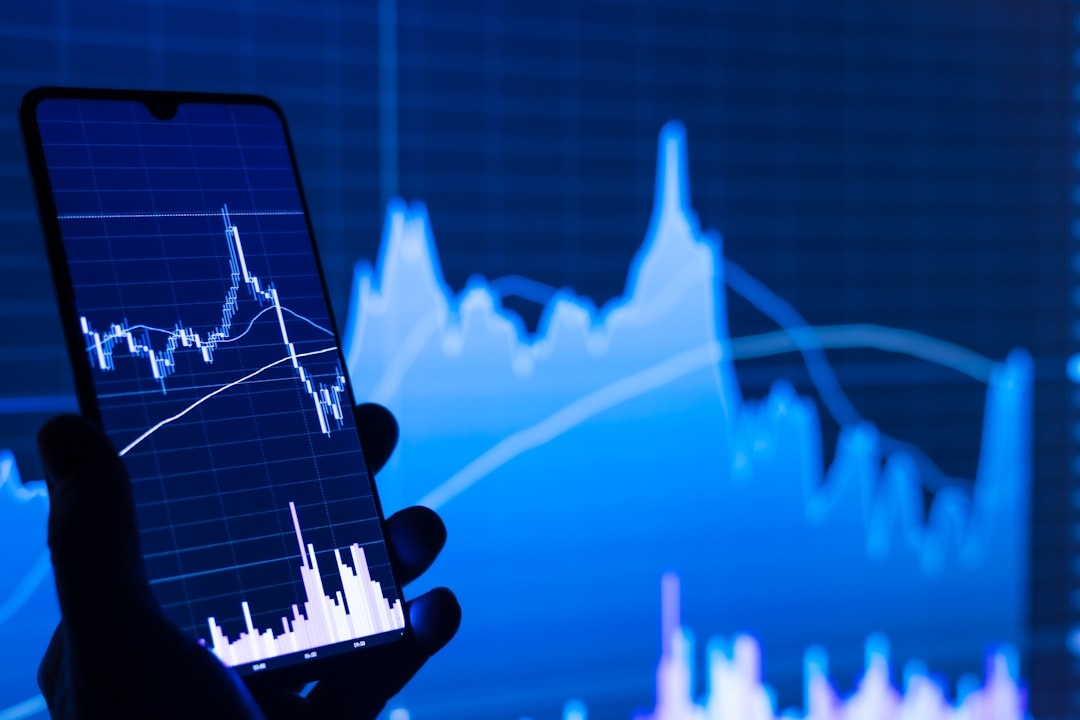
The XAUUSD chart live reflects this defensive positioning, but the underlying agricultural markers are equally vital. To understand the full scope of real yields, traders should monitor the XAUUSD live chart alongside agricultural benchmarks to see how food security is being priced into the premium of the US Dollar, as XAUUSD realtime data often leads these broader inflationary shifts.
Key Drivers: Energy, Logistics, and Policy
The cost of food is intrinsically linked to energy. Fertilizer production and transport logistics are sensitive to the XAUUSD live rate of global trade. If energy inputs spike, the gold live chart often follows suit as a hedge. Market participants should keep a close eye on gold price volatility during harvest cycles, as unexpected shortages can trigger a flight to safety across all commodities.
Policy tone is also shifting. Export restrictions from key agricultural hubs can cause immediate price shocks. This creates a environment where the gold chart becomes a proxy for geopolitical stability. When gold live demand increases, it often coincides with periods where real purchasing power is tightening despite rising nominal wages.
Why Markets Should Watch the Inventory Signals
Inventory levels and harvest quality are currently the primary signals for a 2026 breakout. Distrust in paper currency during food price spikes often elevates the floor for precious metals, making the relationship between staples and stores of value more relevant than ever. This is a "stealth" channel because it bypasses many traditional tech-heavy indicators, focusing instead on the most basic human needs and industrial inputs.
Related Reading
- US Treasury Yields & Oil: Decoding Inflation Risk in 2026
- The Price of Money Gets Political: Analyzing Credibility Repricing
- US Producer Prices in Focus: Why PPI Still Matters in a “Pause” Regime