
Iran-US UN Showdown Escalates War Risk Premium, Hits Oil & Gold
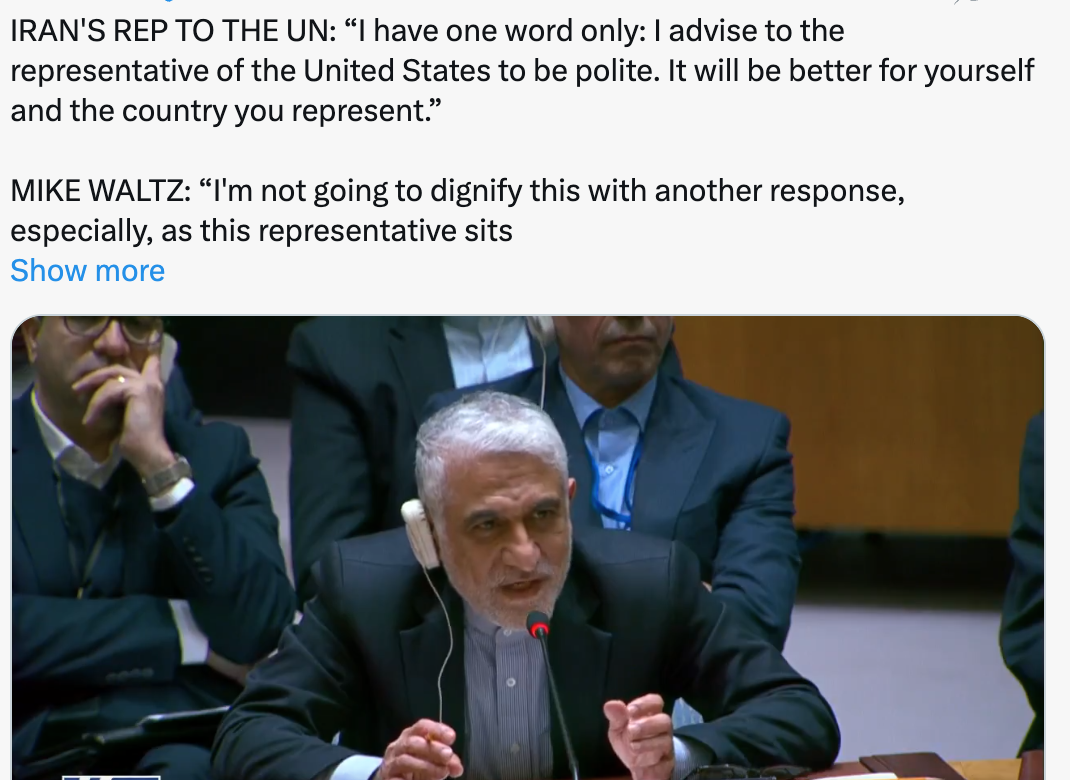
The recent exchange at the United Nations between Iranian and U.S. representatives signaled a significant shift: diplomatic channels are hardening, not softening. This breakdown of the 'diplomatic...
The geopolitical landscape has just taken a notable turn, not on a physical battlefield, but within the hallowed halls of the United United Nations. A heated verbal confrontation between Iran’s representative and the U.S. side, led by Mike Waltz, has sent a clear message to markets: the diplomatic 'off-ramp' for the ongoing conflict is narrowing. This escalation, far from mere diplomatic theater, is actively repricing the probability of continued confrontation, impacting everything from Brent crude price live to safe-haven assets like gold.
UN Confrontation Signals Worsening Geopolitical Picture
While devoid of physical hostilities, the tone set at the UN Security Council is a critical barometer for market sentiment. When national representatives engage in open verbal hostility in such a symbolic venue, it signals a significant shift. Investors often assume that behind-the-scenes diplomacy is working to contain conflicts. However, when public language hardens, and neither side shows willingness to de-escalate, this core assumption is challenged. This directly leads traders to believe that the likelihood of a diplomatic resolution or a 'frozen line' diminishes, prompting a reassessment of risk across all asset classes.
This UN exchange is telling traders that the military and diplomatic conflicts are now moving in lockstep, with the diplomatic front exacerbating, rather than mitigating, the situation. Such a development is not just about peace; it's about time—specifically, the time cushion markets rely on to prevent pricing in worst-case scenarios. A thinner time cushion means increased immediate risk premiums.
Impact on Oil & Gold: Elevated Geopolitical Premiums
The immediate repercussions of this diplomatic hardening are evident in the commodity markets. Crude oil price live does not solely react to actual supply disruptions; it also surges when the perceived probability of restraint or de-escalation falls. A confrontational Security Council session, void of any visible off-ramps, is inherently bullish for geopolitical premiums. It suggests that the threshold for further military action, potentially affecting critical shipping lanes like the Strait of Hormuz or Gulf airspace, could be lower. Both Brent crude and WTI price in these probabilities, making the current outlook one of sustained elevation.
Gold, the quintessential safe-haven asset, benefits even more directly from such institutional instability. The gold price weekend settlement now reflects an environment where international institutions are seen as amplifying, rather than absorbing, conflict. This environment reinforces the demand for gold live chart viewing and positions, as investors seek refuge from escalating uncertainties. It sends a clear message that the system designed for stabilization is instead becoming a stage for confrontation, compelling a strong safe-haven bid.
Currency Moves and Broader Market Vulnerabilities
The dollar, Swiss franc, and yen are likely to maintain a firm tone in this risk-off environment, as they historically serve as safe havens. However, the broader FX market story is more nuanced. Once markets internalize that diplomacy is hardening, emerging-market currencies, especially those with weak external balances or significant energy import exposure, come under increased pressure. High-carry FX strategies become more fragile, leading to potential repricing in sovereign spreads and funding costs, even for Gulf pegs that might initially mask spot FX moves. Traders will closely monitor the US Dollar Index chart live for directional cues.
Equities will absorb this news in layers. Initially, energy and defense sectors may see support. However, airlines, travel, logistics, and any sector reliant on smooth global movement or lower fuel costs will face headwinds. Furthermore, the persistent threat of elevated energy prices due to a lack of diplomatic off-ramps complicates the growth-versus-inflation narrative, making global equities more sensitive to negative shocks. The Middle East markets breaking news directly influences investor confidence in regional sectors.
Real Economy Transmission: Shipping, Aviation, and Gulf Confidence
The most immediate real-economy impacts are likely to be felt in shipping and insurance. The UN exchange underscores that verbal escalation alone can compel commercial behavior shifts, even without new military action. If traders hear no restraint from diplomatic channels, shipowners, insurers, and freight operators will act as if further incidents are more probable. This alters route economics, inflates war-risk premiums, and forces contingency planning, transforming diplomatic failure into an inflation story very quickly.
Aviation is equally exposed. Heightened confrontation across all arenas—military, maritime, and diplomatic—erodes confidence in regional stability. This impacts route planning, fuel hedging, insurance costs, and business travel, placing a premium on resilient airports and hubs like DXB. The UN exchange, in this context, suggests that diplomatic channels are insufficient to reassure the aviation system. Similarly, the Dubai economy war impact is a key consideration for regional investors.
Credit Markets as Truth Detectors & Strategic Implications
Credit markets serve as a crucial truth detector. If the UN confrontation is discounted as mere noise, spreads might remain contained. However, if it compounds existing stresses like oil strength, airport incidents, and port risks, spreads could widen significantly, signaling that the confrontation is systemic rather than episodic. This is the critical line traders should be watching.
The strategic timing of this exchange is also vital. The U.S. holding the presidency of the UN Security Council for March adds another layer of political charge to the diplomatic stage. This symbolism matters: when the institution designed to manage international crises becomes another front in the crisis itself, markets pay attention. This was not just a viral clip; it was a repricing event.
Markets can often weather ugly headlines if a believable path to containment exists. However, when even the UN starts functioning as an extension of the conflict, that belief becomes increasingly difficult to sustain. Therefore, the market takeaway is clear: oil and gold live continue to benefit from an inflated geopolitical risk premium, safe havens maintain their bid, while confidence-sensitive sectors, shipping, and aviation remain vulnerable.
Frequently Asked Questions
Related Stories

Bitcoin Price and Stocks Stabilize Amid Bond Market Signals
This morning's market brief highlights the delicate balance between sticky inflation in Europe, ongoing Treasury supply concerns, and the stabilizing but cautious tone in cryptocurrency markets,...

Reshoring & Stockpiling Reshape Cost Curves & Commodity Prices Live
Global supply chains are undergoing a fundamental shift due to reshoring and stockpiling policies, leading to increased unit costs and impacting manufacturing credit and commodity markets. This...

Sector Rotation: Quality Cyclicals Outperform Duration Amid Geopolitical & AI Shifts
Current market dynamics show a clear shift towards quality cyclicals over pure duration plays, driven by persistent geopolitical risks, the impact of AI funding costs, and sticky inflation pressures.
Bitcoin Volatility: Macro Liquidity, Policy, & Regulation
Bitcoin's price action remains deeply intertwined with macro liquidity and policy decisions, rather than pure hype. In the latest session, Bitcoin traded near $68,991, with Ether around $2,010,...