
Middle East Conflict: Day 6 Marks New Phase, Spreading Systemic Risk
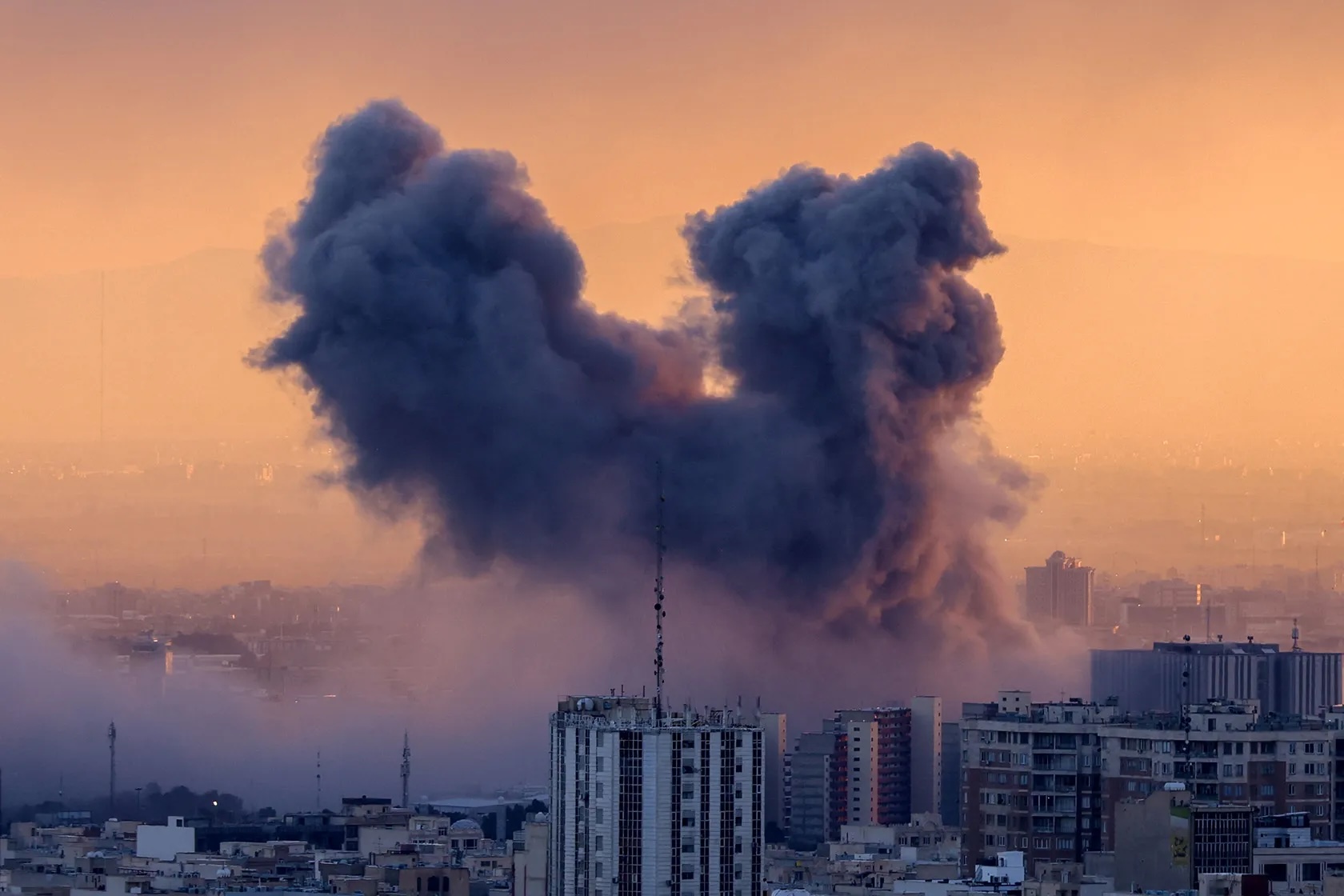
The enduring conflict in the Middle East has entered a new, more volatile phase on Day 6, impacting global markets significantly. Escalating tensions, particularly around the Strait of Hormuz, are...
The Middle East conflict, initially perceived as a regional escalation, has undeniably transitioned into a 'systems war' on its sixth day. This shift is characterized by broadening geographical impact, significant infrastructure stress, diplomatic disruptions, and a palpable seizing up of the global economic system, leading to heightened market volatility.
The Conflict's Evolution: Beyond Regional Skirmishes
What began as seemingly isolated missile exchanges between Iran and Israel has rapidly evolved. The conflict's spread is evidenced by more regions being affected, increased pressure on critical infrastructure, diplomatic shutdowns, and clear signs of economic strain stemming from the war. This expanding scope explains why markets are experiencing increasing, not decreasing, volatility.
Confirmed stress signals are now widespread, influencing market dynamics profoundly. We're observing large-scale displacement and evacuation pressures in regions like Lebanon and Iran, alongside diplomatic and consular closures across the Gulf and local evacuation advisories. Critically, there's been severe and prolonged disruption in Hormuz traffic, with tanker and LNG movements plummeting from pre-war levels. This directly impacts energy and refined products pricing, pushing them higher. The U.S. and European military posture is also expanding around the Eastern Mediterranean and Gulf, leading to sustained equity drawdown pressure.
While some claims, such as IRGC assertions of direct hits on U.S. naval assets, remain contested, sufficient credible signals indicate a systemic crisis rather than merely headline-grabbing conflict. This distinction is crucial for understanding current market re-pricing; the threshold into a full-blown 'systems war' has been crossed.
Azerbaijan Incident: Recalibrating Global Risk
A pivotal development on Day 6 was the reported extension of strike risk to Azerbaijan, challenging the market's previous assumption that some neighboring states were operationally insulated despite political exposure. Once Azerbaijan enters this calculus, the arc from the Persian Gulf through the Caucasus and Eastern Mediterranean is recalibrated as a single theatre of elevated uncertainty. This immediately broadens risk boundaries for insurance and transport markets and enhances military readiness across governments, increasing escalation sensitivity. For example, crude oil price action will remain susceptible to these broader geopolitical developments. Additionally, the Commodities as Policy Assets: Navigating Geopolitical Shifts and Supply Disruptions continues to be a key theme.
Hormuz Near-Zero Flow: The Core Economic Event
The most alarming detail from Day 6 monitoring isn't political rhetoric but shipping data. If tanker transit effectively drops to near zero, and LNG carriers remain absent for multiple sessions, this transcends a 'possible supply risk' to become an active energy-distribution breakdown. The market is now factoring in delayed or missing crude cargoes, LNG contract disruption, emergency rerouting, war-risk insurance withdrawal, and significant refining and product-market stress.
Initially, existing reserves might cushion immediate physical shortages. However, by weeks two and three, storage imbalances, forced output cuts, and steep replacement bidding across regions will lead to non-linear price jumps. This dynamic will significantly affect the gasoline price live and heating oil price live, driving them higher.
Energy Stack: Broader Inflationary Pressures
This is no longer an oil-centric conflict. Crude is rising, gas futures are unstable, and diesel is surging. This dangerous synergy pushes inflation through multiple channels: oil drives transport costs, LNG stress elevates power and industrial energy expenses, and diesel impacts goods, food, and supply chains. If these remain elevated, the resulting inflation shock will be broad-based and sticky, precisely the scenario central banks fear, further exacerbating the Rates Radar: Term Premium Awakens Amid Geopolitical Risk & Inflation. The XAUUSD price live continues to reflect this uncertainty, with gold acting as a safe haven.
The current environment means that volatility is expected to continue impacting various instruments. For instance, the NZDUSD price live will be subject to these broad global inflationary pressures, reflecting its status as an energy-importing currency. Similarly, the euro dollar live will face challenges as Europe contends with energy costs and wider geopolitical anxieties. Given the broader market shifts, the US Policy Map: Fed Succession, Funding, and Supply Reshape Markets will be crucial in understanding how central banks respond.
Impact Across Major Asset Classes
- Oil and Energy Equities: Oil will likely remain structurally bid, with energy equities outperforming, though extreme volatility persists.
- Natural Gas and Utilities: European and Asian gas-sensitive entities will remain vulnerable to contract uncertainty, facing margin stress.
- Gold and Safe Havens: Gold stays supported, acting as a hedge against policy uncertainty, geopolitical spread, and persistent inflation.
- Forex: Dollar strength and traditional safe-haven demand will remain prominent. Energy-importing currencies will continue to exhibit pressure.
- Rates: The policy trap tightens, as energy-driven inflation limits central bank flexibility amidst deteriorating growth confidence, maintaining elevated rates volatility.
- Equities: Defensives and defense sectors attract flows, while cyclicals, airlines, and rate-sensitive growth stocks remain vulnerable.
- Credit: Credit markets, particularly spreads across transport, EM sovereigns, and energy importers, will be key indicators of funding stress.
- Crypto: Crypto markets remain in high-beta macro mode, with dollar strength and liquidity dictating short-term direction.
The Underwriting Crisis: Global Shipping and Consumer Wallets
For maritime trade, Day 6 represents an underwriting crisis. Without war-risk insurance, shipowners cannot legally or commercially transit high-risk zones, even with naval escorts. Decisions in London's insurance markets are now critical to whether energy actually moves. Should cover remain scarce or prohibitively expensive, shipping rates will stay elevated, cargoes will reroute, delivery times will stretch, and inflationary pass-through will deepen, ultimately reaching consumer wallets globally. This amplifies the stress on Brent crude price and other related energy markets.
Public Opinion and Political Duration Risk
An underpriced signal is the growing domestic political tension in key coalition countries, marked by polling backlash. If military operations signal a longer duration while domestic support wanes, policy uncertainty rises, and markets will price wider outcomes, leading to higher volatility and delayed corporate decision-making. Investors should keep a close eye on the Volatility Log: Sticky Skew Amid Global Market Shifts for further insights.
Key Indicators for the Next 48 Hours:
- Actual Hormuz transit counts for crude and LNG.
- War-risk insurance availability and pricing.
- LNG force majeure status and cargo cancellations.
- Cross-border spread indicators, particularly in the Caucasus and Eastern Mediterranean.
- Credit spread behavior in transport, EM, and energy-sensitive sectors.
- Any shift in official language from 'operations' to 'duration', indicating a prolonged conflict.
In essence, Day 6 signifies a dramatic shift from a battlefield narrative to a contested economic system. Alerts from Azerbaijan, embassy closures, dwindling interceptor inventories, and near-empty Hormuz lanes are not random events. They collectively point to a conflict now deeply embedded in the mechanics of global trade, justifying the broad market reaction and signaling a new, more challenging phase for investors worldwide. Tracking the XAUUSD live chart will remain essential.
Frequently Asked Questions
Related Stories

Bitcoin Price and Stocks Stabilize Amid Bond Market Signals
This morning's market brief highlights the delicate balance between sticky inflation in Europe, ongoing Treasury supply concerns, and the stabilizing but cautious tone in cryptocurrency markets,...

Reshoring & Stockpiling Reshape Cost Curves & Commodity Prices Live
Global supply chains are undergoing a fundamental shift due to reshoring and stockpiling policies, leading to increased unit costs and impacting manufacturing credit and commodity markets. This...

Sector Rotation: Quality Cyclicals Outperform Duration Amid Geopolitical & AI Shifts
Current market dynamics show a clear shift towards quality cyclicals over pure duration plays, driven by persistent geopolitical risks, the impact of AI funding costs, and sticky inflation pressures.

Bitcoin Volatility: Macro Liquidity, Policy, & Regulation
Bitcoin's price action remains deeply intertwined with macro liquidity and policy decisions, rather than pure hype. In the latest session, Bitcoin traded near $68,991, with Ether around $2,010,...