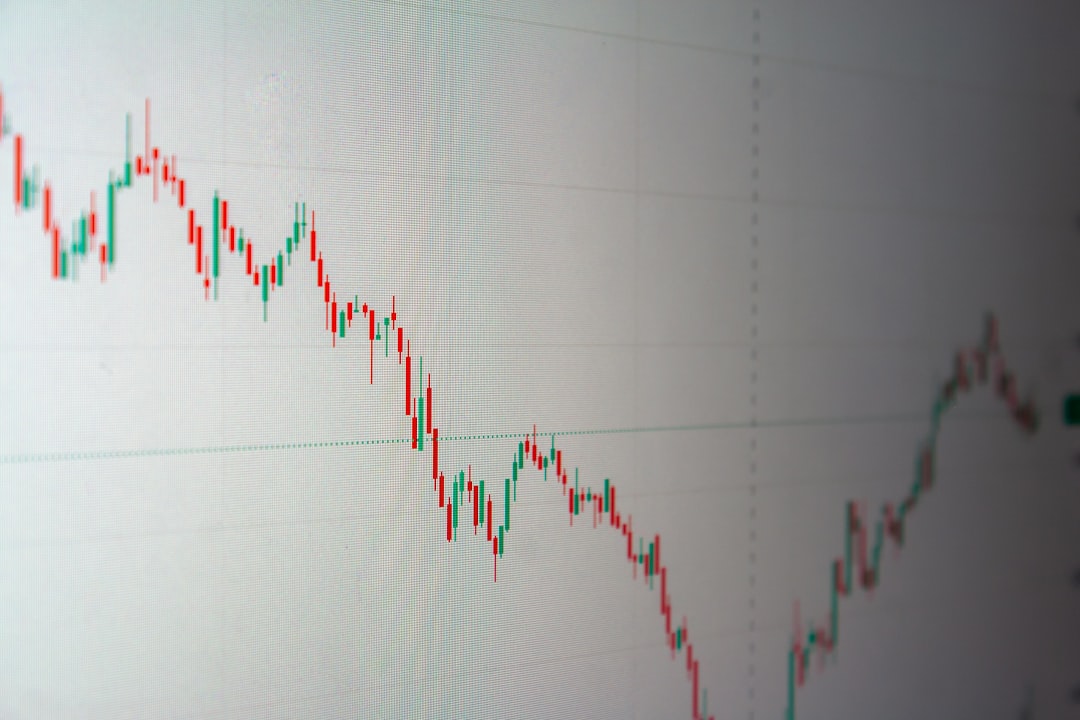
The AUD/CHF pair showcased a classic tug-of-war between yield-seeking carry trades and defensive risk-hedging behavior on January 22, 2026. As foreign exchange markets navigated a complex mix of higher yields and a heavy US Dollar, AUD/CHF managed to close at 0.54055, marking a 0.51% gain within a well-defined intraday range.
Intraday Market Dynamics
The trading session was characterized by distinct liquidity windows that tested market conviction. During the London handover, the pair maintained two-way flow within a tight boundary, but as the New York session took over, the focus shifted to whether breakout attempts could find sustained acceptance.
Key Technical Levels to Watch
For tactical execution, the market has established a clear level map that separates range-bound rotation from trend initiation:
- Pivot Point: 0.53965 (The critical line for a regime switch)
- Resistance Levels: 0.54522, 0.54600, and 0.54900
- Support Levels: 0.53319, 0.53200, and 0.52900
Risk Sentiment and Rates Transmission
A primary driver for the pair remains the transmission of interest rate differentials. Even modest shifts in the US front-end pricing are bleeding into the AUD/CHF cross as the market views FX through a relative-rate lens. When the pair fails to respond to rate moves, it typically suggests that idiosyncratic demand or a separate risk premium is driving the tape.
In the current environment, defensive currencies like the Swiss Franc (CHF) remain sensitive to equity volatility. A deterioration in global risk tone would likely see the high-beta Australian Dollar underperform, while an improvement in sentiment could see pro-cyclical flows drive a test of the 0.54522 resistance.
Strategy and Executive Discipline
Traders should treat the 0.53965 pivot as the ultimate regime switch. Acceptance above this level—defined by time spent beyond the print rather than a simple spike—suggests that dips are likely to be bought. Conversely, a failure to hold the pivot on a retest shifts the probability toward a full rotation back to the lower edge of the range near 0.53319.
Given the potential for false breaks around round numbers like 0.54000, execution discipline is paramount. Preferring entries on confirmed retests and sizing down during thin liquidity can help mitigate the risks of high-volatility event windows.