
Iran War Day 7: Market Repriced for Open-Ended Conflict

Day 7 of the ongoing Mideast conflict marks a critical shift from short-term escalation to a prolonged, open-ended war, compelling markets to reprice across asset classes, from crude oil prices to...
Day 7 of the Middle East conflict has fundamentally altered market perceptions, moving from an anticipation of swift resolution to pricing in a prolonged, open-ended war. This crucial pivot means that the conflict is no longer viewed as a temporary shock but as a sustained event with far-reaching macroeconomic implications for global assets, including the Crude Oil Price Gains Amid Iran Conflict.
The Shift from Escalation to Doctrine: Why Day 7 is Different
What distinguishes Day 7 from previous days is a tangible shift in rhetoric and observable actions, indicating a strategic change from mere escalation to a deeper, more enduring doctrine. Market participants are now recognizing that the conflict's timeline is expanding significantly, with fewer political restraints than initially hoped. The strongest confirmed elements of this new phase include Israel's persistent strikes on Tehran, military leadership openly discussing a 'next phase' of the conflict, and U.S. officials extending expected timelines into weeks rather than days. Crucially, the House's repeated failure to impose war-powers limitations suggests less political friction on the ongoing campaigns, while Iran publicly asserts it sees no reason to negotiate a ceasefire. Continued pressure on Gulf air-defense systems and regional infrastructure further solidifies this outlook.
This combination signals that the market must now price in a 'war of duration' rather than a temporary clash. For instance, the XAUUSD price live reflects a growing safe-haven appeal, moving beyond initial shock reactions. When war becomes an open-ended process, markets struggle far more than with a single, shocking event. Initial questions about quick resolution, diplomatic intervention, or external checks from Washington or Tehran have been answered with a 'materially worse' outlook, according to officials. This scenario points to a more dangerous price action environment, where volatility is likely to persist or even intensify.
Macroeconomic Consequences of a Broadened Conflict
The recent strike waves around Tehran, targeting areas near universities, residential zones, and military institutions, are critical. This signifies a broader state-pressure strategy rather than narrowly military objectives, implying deeper economic consequences globally. These include intensified disruption to urban confidence, more severe banking and withdrawal behaviors, increased pressure on communications, weakened business continuity, and potential for greater migration and displacement. Such broader state-pressure strategy implies intensified disruption to urban confidence, more severe banking and withdrawal behaviors, increased pressure on communications, weakened business continuity, and potential for greater migration and displacement.
The 'next-phase' language from Israel and the 'eight-week' framing from the U.S. demand that markets shift from panic pricing to 'duration pricing'. This means economic models must now account for prolonged instability. Furthermore, the perceived weakness of domestic political brakes in the U.S. increases the probability of continued operations and extended diplomatic impasses, fueling a persistent geopolitical premium. Iran’s explicit 'no-ceasefire' message confirms the market's assumption of a structurally longer conflict. This transforms the regional conflict into a significant macroeconomic factor, impacting everything from oil demand to central bank policy decisions globally. The gold price live is responding to not just the conflict, but to its undefined timeline and lack of clear political brakes.
Asset Class Repricing: Oil, Gold, Forex, and Rates
Oil and Energy: A Time-Premium Market
The crude oil market is no longer merely trading the risk of immediate disruption but the expected duration of that disruption. This fundamental change introduces a 'duration premium'. Unlike short wars where crude spikes and swiftly retraces, a longer conflict embeds continuous infrastructure stress, prolonged tanker hesitation, insurance scarcity, storage distortions, and a persistent threat to vital routes like the Strait of Hormuz. This explains why Brent Crude can remain elevated even without constant new catastrophic headlines. The natural gas and LNG markets exacerbate this problem, with impaired contracts and uncertain cargo availability posing a second energy shock. This context is crucial for understanding why inflation risk may rebuild even when seemingly contained, impacting industrial policy and trade globally.
Gold: Fear, Duration, and Policy Uncertainty
Gold is registering more than just conflict; it reflects a conflict without a clear end or political check. This creates a robust bullish setup, as gold benefits from lasting war premiums, rising inflation risks, less clear monetary easing paths, and a perception that institutions are struggling to contain outcomes. Day 7 reinforces all these drivers, making gold one of the clearest expressions of the current uncertainty. The XAUUSD realtime chart clearly shows this continued investor preference. For commodities as policy assets, the shift to a longer timeline enhances the metal's appeal as a hedge against systemic risk and currency debasement. This is not mere speculation; it's a structural repricing of risk.
Forex: Dollar's Initial Gain, Deeper Vulnerabilities
The initial forex response aligns with textbooks: a stronger U.S. dollar, a firmer Swiss franc, periodic bids in the yen, and pressure on fragile emerging-market currencies. However, Day 7 reveals a deeper layer: a longer war implies higher imported-energy risk for many economies, increasing pressure on current accounts and heightened sensitivity to global funding conditions. This particularly challenges energy-importing Emerging Markets and high-carry currencies. While spot FX in the Gulf may mask some movements due to pegs, the real repricing is evident in sovereign spreads, CDS, equity weakness, and underlying funding conditions. Traders focusing solely on spot rates risk missing these crucial, underlying shifts. For instance, the EUR to USD live rate could face renewed downward pressure if Europe's energy import costs rise substantially.
Rates: A Central Bank Nightmare Scenario
A prolonged conflict creates a nightmarish policy mix for central banks. Energy pressure boosts inflation expectations, while war duration erodes growth and confidence. Transport and shipping stress tighten financial conditions, leading to a genuine stagflationary trap. This environment is neither clearly bullish nor bearish for bonds, instead fostering extreme rates volatility where markets oscillate between safety and inflation fears, often within the same session. This inherent instability makes broader asset pricing highly unpredictable.
Equities, Credit, and Crypto: Broadening Impact
Initially, equities show simple rotations towards defense and energy. Yet, by Day 7, the market must also price in slower global activity, more expensive freight, higher insurance costs, delayed policy relief, and greater political uncertainty, especially impacting quality cyclicals. This moves beyond narrow sector rotation towards broader multiple compression, hitting companies far from the battlefield. In credit markets, widening spreads in transport, hospitality, Gulf-linked banks, EM sovereigns, and logistics-heavy borrowers signal a shift from a 'news problem' to a 'funding problem'.
For crypto, initial behavior mirrors macro trends: a stronger dollar, weaker leverage, and sharper liquidations. However, a prolonged war creates a harder environment for digital assets by keeping oil elevated, delaying rate-cut expectations, and tightening global liquidity. While long-term crypto narratives persist, they are likely to lose to macro headwind for an extended period. This is where many crypto traders are trapped, mistaking structural bullishness for short-term immunity. Day 7 is decidedly not an environment of short-term immunity for digital assets, including monitoring any BTCUSD price live movements.
Civilian Impact and Future Watch Points
The evolving nature of news, including reports of cluster munitions and humanitarian crises, impacts public psychology and international tolerance. Such psychologically brutal wars drive flight behavior, harm tourism, worsen commercial confidence, encourage hoarding, and increase the likelihood of political backlash. The immense fiscal cost of the campaign, running into billions per day, also becomes a critical market variable.
Moving forward, key watch points include whether 'next-phase' rhetoric translates into broader targeting, Iran's escalation strategy, whether oil and gold continue to rise in tandem (signaling both fear and inflation concerns), credit spreads' confirmation of financial stress, and the extent of U.S. domestic political opposition. The crucial difference is that investors have stopped asking if the war will calm down, and started asking how long this next, more dangerous phase will last. This prolonged uncertainty will continue to fundamentally reprice assets across the board.
Frequently Asked Questions
Related Analysis
 Featured
Bitcoin Freefall Warning: Is $40K Realistic Amid War-Liquidity Collision?
A viral warning suggests Bitcoin could freefall to $40K, a scenario driven by escalating geopolitical tensions, energy infrastructure disruptions, and tightening global liquidity. This detailed...
 Featured
US Sub Strike Off Sri Lanka Resets Global Markets
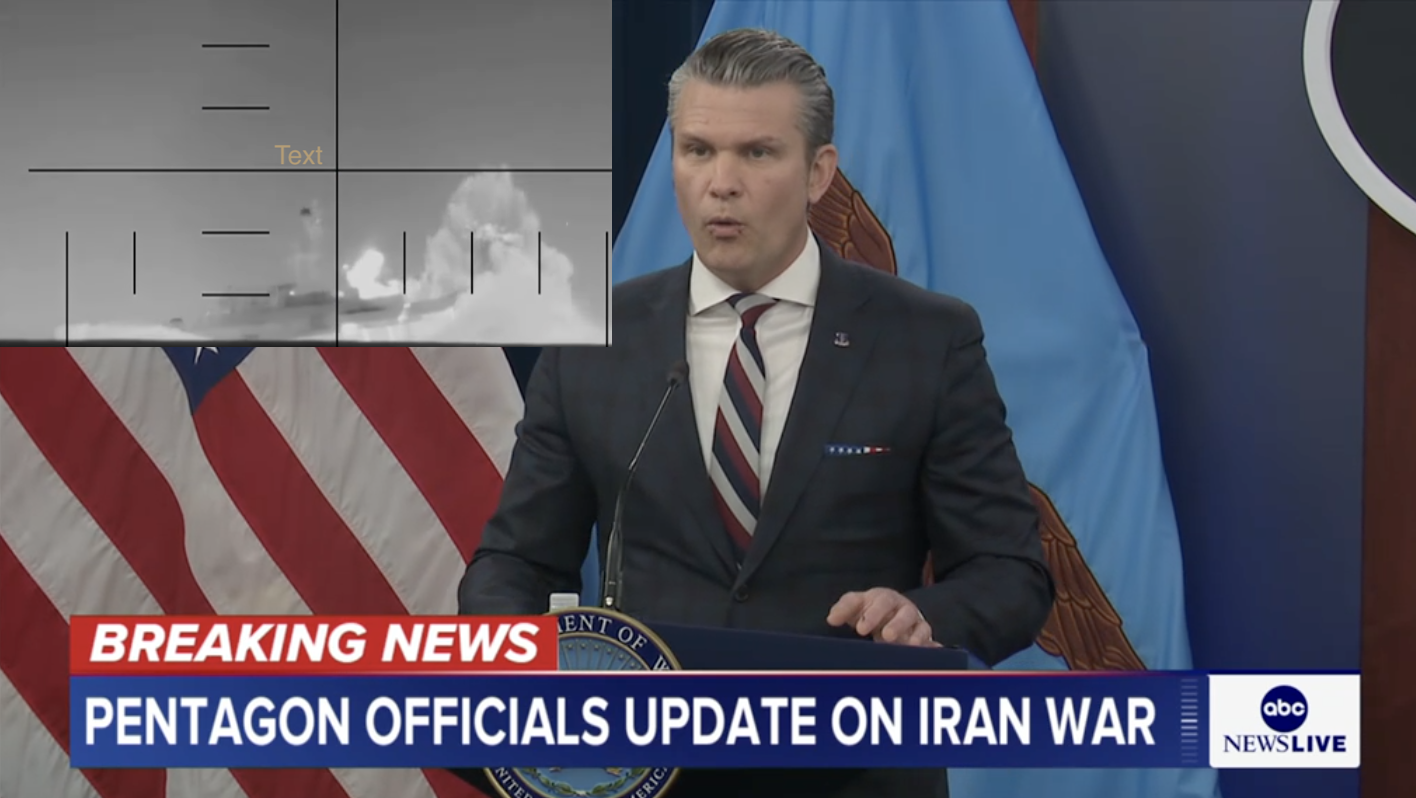
A recent US submarine strike on an Iranian warship off Sri Lanka is fundamentally reshaping global market dynamics, signaling a significant escalation and broadening of the conflict. This event...
 Featured
Bitcoin Volatility: Macro Liquidity & Policy Drive BTC to $73,479
Bitcoin (BTC) price navigates a complex landscape influenced by macro liquidity, central bank policies, and the persistent inflation trend, impacting its trade near the sensitive $73,479 level.
 Featured
Reshoring & Stockpiling Reshape Cost Curves & Commodity Prices Live
New industrial policies are prompting a significant shift towards reshoring and stockpiling, fundamentally altering global supply chains and cost structures. This article explores how these...