
US Sub Strike Off Sri Lanka Resets Global Markets
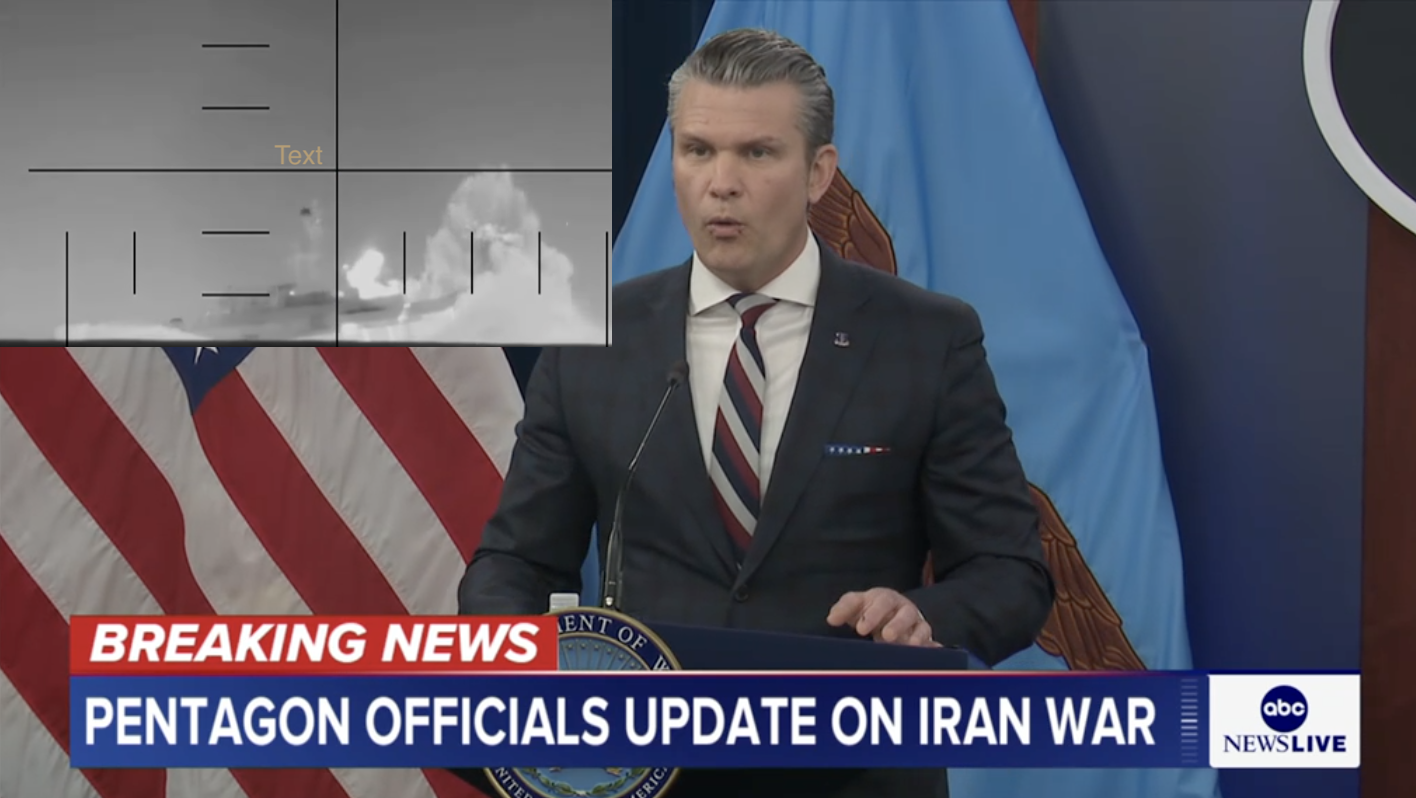
A recent US submarine strike on an Iranian warship off Sri Lanka is fundamentally reshaping global market dynamics, signaling a significant escalation and broadening of the conflict. This event...
A singular event in the Indian Ocean has sent ripples across global financial markets, with the US fast-attack submarine's successful torpedo strike on an Iranian warship off Sri Lanka forcing a comprehensive repricing of risk. This incident, reportedly the first American submarine torpedo kill against an enemy vessel since World War II, marks a pivotal shift in the conflict's scope and intensity, impacting everything from energy prices to safe-haven assets and the intricate world of forex.
The Torpedo That Changed The War: A New Market Paradigm
The target, identified as IRIS Dena, was struck far from Iran’s coastline, in international waters, dramatically expanding the conflict map. Pentagon-released periscope footage showing the vessel's demise, with reports of heavy casualties, underscores the gravity of the situation. This is far from just another airstrike; it signals naval escalation with explicit messaging about U.S. global reach, fundamentally altering how markets perceive and price geopolitical risk.
Previously, many investors confined their mental models to a Gulf-Levant war with tangential spillovers. The deep Indian Ocean submarine strike shatters this framing, indicating that the operational theater is no longer bounded by the Persian Gulf. In an energy-linked conflict, a widening maritime domain invariably leads to more volatile price discovery, with market participants internalizing the immediate economic damage and longer-term implications. The strategic message conveyed by this strike — that Iranian naval assets are vulnerable beyond immediate Gulf battlespace — is rewriting assumptions around shipping, insurance, route confidence, and naval deterrence.
Why This Is A New Phase for Global Forex Markets
This event constitutes a phase change for three primary reasons:
- Multi-Domain War Logic: The conflict is no longer confined to missile barrages and air-defense. It now involves air, sea, cyber, logistics, and diplomatic maneuvering, creating a complex web of interconnected risks for global markets.
- Strategic Depth: A strike this far from Iran highlights the U.S.-Israel coalition's capability to target network capabilities and naval projection wherever they can be reached, implying a more sustained and comprehensive approach to the conflict.
- Hardened Duration Expectations: When official language shifts from punitive responses to sustained control narratives, and a long-range submarine strike confirms such capability, markets cease pricing a short-term flare-up and instead begin to price in a longer, more protracted campaign.
Cross-Asset Market Outcomes: Oil, Gold, Forex, and Crypto
Oil and Energy Complex
Oil remains the primary transmission channel. This strike means the narrative is no longer solely about the Strait of Hormuz chokepoint but a broader 'sea-control' story. The degradation of Iranian naval capacity far from home waters introduces two conflicting effects on crude:
- Bullish fear premium: A broader war footprint, increased route risk, and potential retaliation uncertainty can quickly elevate risk premiums.
- Bearish coercive-supply logic: If markets believe coalition sea control improves convoy protection, some panic premium could eventually compress. However, in the near term, fear and the war's financial stress typically prevail. Bren and WTI remain structurally volatile, with spikes linked to shipping incidents, insurance cancellations, or anti-ship retaliation.
Natural gas and LNG are emerging as key drivers of inflation risk. If LNG producers invoke force majeure and shipping insurers tighten restrictions on Gulf entry, this will create physical and contractual disruptions, leading to higher prices for gas, power, fertilizer, and industrial margins across Europe and Asia.
Gold and Safe Havens
Gold thrives on institutional uncertainty. A Pentagon-confirmed naval strike drawing a WWII comparison signals that escalation thresholds are being intentionally crossed. This explains why Gold Price Live remains bid even during intraday risk-asset rebounds. Gold is now reacting not just to immediate 'war fear' but to the combined impact of 'war duration plus policy uncertainty plus supply-chain risk.'
Forex Implications
The initial response in currency markets follows a classic pattern: a stronger U.S. dollar, a stronger Swiss franc, and episodic Japanese Yen bids. However, the situation grows more complex. Oil-importing Emerging Market currencies are particularly vulnerable to elevated energy stress. High-carry FX strategies face pressure as global risk aversion and dollar funding demand rise concurrently. In Gulf-linked systems, peg stability might mask underlying financial stress, evident in widening sovereign spreads, credit default swaps (CDS), and local-equity underperformance. Do not confuse peg stability with financial stability.
This escalating situation will lead to greater The Dollar's Quiet Pivot: FX Regime Check and Real-Rate Dynamics as investors seek safety. We are likely to see increased volatility and hedging activity, reflecting the profound uncertainty in a world where global supply chains are being dramatically re-evaluated.
Crypto Market Dynamics
The cryptocurrency market tends to exhibit a two-step response to such geopolitical shocks:
- Initial de-risking: This typically involves a stronger dollar and thinning global liquidity, leading to downward pressure on digital assets.
- Narrative rebound attempts: Subsequently, there are fast narrative-driven rebounds based on decentralization and geopolitical hedging.
The "WWII" Language and Its Market Significance
Regardless of legal or operational interpretations, the phrase "first since WWII" holds significant market-moving power. It signals to investors that escalation has crossed historical reference points, encourages military-premium pricing for defense and energy assets, and raises the perceived probability of further unprecedented actions. Markets often price language as much as tangible events, especially when such language alters the probability tree of future outcomes. This implies that the Crude Oil Price Volatility: Geopolitical Risks & Supply Dynamics will likely remain elevated for the foreseeable future. The Industrial Policy Redrawing Global Supply Chains & FX Impact will continue to shape how commodities and currencies react.
Key Checklist for the Next 72 Hours:
- Shipping and Insurance: Observe whether war-risk cancellations expand or stabilize, as this offers the fastest indicator of tangible economic damage.
- Retaliation Patterns: Analyze Iran's response – whether it's at sea, via proxy, cyberattacks, or through economic targets.
- Energy Confirmation: Determine if both oil and gas prices remain elevated after the initial shock. Persistent dual elevation signals structural stress.
- Credit Confirmation: Monitor whether transport, airline, and EM spreads begin to widen in a sustained manner, indicating deeper financing stress.
- Official Tone: Assess if U.S./Israel briefings convey finite objectives or an open-ended attrition, as 'duration language' directly influences market valuations.
This torpedo strike transcends a mere ship sinking; it conveys a powerful message that the conflict theater is far wider than many previously assumed. As this message is absorbed, every asset class will begin to embed a longer-duration conflict premium. This ongoing repricing is precisely what the market is doing now, rendering this torpedo event one of the most critical market headlines of the entire conflict.
Frequently Asked Questions
Related Analysis
 Featured
Iran War Day 7: Market Repriced for Open-Ended Conflict
Day 7 of the ongoing Mideast conflict marks a critical shift from short-term escalation to a prolonged, open-ended war, compelling markets to reprice across asset classes, from crude oil prices to...
 Featured
Bitcoin Freefall Warning: Is $40K Realistic Amid War-Liquidity Collision?
A viral warning suggests Bitcoin could freefall to $40K, a scenario driven by escalating geopolitical tensions, energy infrastructure disruptions, and tightening global liquidity. This detailed...
 Featured
Bitcoin Volatility: Macro Liquidity & Policy Drive BTC to $73,479
Bitcoin (BTC) price navigates a complex landscape influenced by macro liquidity, central bank policies, and the persistent inflation trend, impacting its trade near the sensitive $73,479 level.
 Featured
Reshoring & Stockpiling Reshape Cost Curves & Commodity Prices Live
New industrial policies are prompting a significant shift towards reshoring and stockpiling, fundamentally altering global supply chains and cost structures. This article explores how these...