
Term Premium Awakens: Energy Risk & Data Delays Dictate Rates Outlook

Global rates markets are navigating a complex landscape where persistent inflation trends, geopolitical energy risks, and data delays converge. From Europe's sticky services inflation to the U.S....
Global rates markets are currently exhibiting a split personality, grappling with contrasting economic signals and geopolitical tensions. While disinflationary forces are at play in Europe, a hawkish shift in Asia and persistent energy risks are reshaping expectations for rate trajectories and duration pricing. The reawakening of the term premium ensures that every risk asset is being critically re-priced off this new discount factor.
The Split Personality of Global Rates
The week opened with divergent trends: European rates saw a degree of disinflation, subtly undercutting the front end of the curve, while Asian markets repriced higher following the Reserve Bank of Australia’s (RBA) unexpected rate hike. This led to a bull-flattening in the euro front-end post-inflation print, juxtaposed with a cheapening of the Aussie curve as the cash rate ascended to 3.64%. The inflation trend still driving Europe rates maintains a cautious stance among ECB policymakers, especially as they remain ECB wary of Iran-war inflation spike after missing last 'transitory' surge. This experience reinforces a higher bar for duration risk, suggesting that the cleaner expression for traders lies in front-end rates, with confirmation coming from inflation breakevens.
U.S. Market Dynamics and Geopolitical Factors
Across the Atlantic, the U.S. front end of the curve is in a holding pattern, awaiting clearer signals from the labor market. Meanwhile, the back end is actively contending with geopolitical uncertainties and a growing energy risk premium. Why this matters for market participants: when the policy path visibly shifts, its impact reverberates, causing every risk asset to be re-priced based on this new discount factor. The current curve now reflects an expectation of fewer rate cuts in Europe for 2026, even as headline inflation hovers around 1.7%, reaffirming that the inflation trend still driving Europe rates. The live risk, especially for energy markets, remains that Oil Prices Up 1% as Iran Crisis Disrupts Middle East Supply, pushing participants to hedge.
Key Takeaways for Traders
- European Disinflation vs. Sticky Services: While headline disinflation is evident in the Eurozone, persistent stickiness in services inflation keeps the European Central Bank (ECB) on high alert, ensuring front-end curves remain relatively flat.
- RBA's Policy Asymmetry: The RBA's recent rate hike serves as a potent signal of potential policy asymmetry, indicating further tightening could occur if inflation persistently remains above target levels.
- U.S. Data Risk: The adjusted release calendar for U.S. economic data means that labor and inflation prints continue to be crucial anchors for front-end pricing, presenting a two-sided risk.
- Persistent Energy Risk Premium: Ongoing geopolitical events, such as Ukraine grid strikes, paired with OPEC+ maintaining its March output levels, ensure the energy risk premium remains elevated, supporting inflation breakevens.
Front-End Focus and Curve Technicals
The current euro Overnight Index Swap (OIS) pricing now integrates a slower easing trajectory, despite headline CPI printing at 1.7%. Concurrently, U.S. front-end rates are largely pinned to a data window that might experience delays, creating tension that makes curve rolldown attractive but inherently fragile. From a technical perspective, cash Treasury supply remains substantial within the current refunding window, and swap spreads are notably tight. This environment suggests that any significant selloff in rates could steepen the 5s/30s curve, even amidst soft growth data. The RBA's recent policy move further contributes to upward pressure on global swap curves through cross-market hedging activities.
Cross-Asset Implications and Positioning
In the FX market, hedgers are actively paying to cover euro exposure, feeding into a demand for shorter-duration assets. Equity index futures are highly sensitive to any uptick in real yields, while credit markets tend to perform optimally when the term premium compresses. Current market flows are light, rendering the market highly sensitive to marginal news. The ongoing inflation trend still driving Europe rates pushes participants to continually hedge their positions, while the fact that the ECB wary of Iran-war inflation spike after missing last 'transitory' surge leads to more selective carry trades. This leaves equities positioned as a relatively clean expression of the prevailing market themes. Market microstructure reveals that dealers remain cautious, leading to thinner liquidity and a heightened risk of gapping if headlines emerge.
Risk Management and Execution
With Oil Prices Up 1% as Iran Crisis Disrupts Middle East Supply in the background, traders face a critical trade-off between carry and convexity. The curve currently discounts a sticky front-end with conservative easing expectations, yet the payoff map is conspicuously asymmetric if volatility surges. A prudent sizing rule dictates maintaining optionality in the hedge book, enabling portfolios to effectively absorb any policy surprises. For execution, it’s advisable to scale in and out of positions rather than chasing momentum, given that liquidity can rapidly evaporate during headline-driven events. Levels discipline is paramount: if inflation breakevens begin to roll over while front-end rates enrich, it signals an overextended market move. The enduring live risk remains the potential for Oil Prices Up 1% as Iran Crisis Disrupts Middle East Supply.
Levels to Watch
Traders should closely monitor the 2s/10s curve for signs of flattening fatigue and the 5s/30s curve for any seepage in the term premium. Key event risks are clustered around any follow-through on euro inflation data and today’s U.S. data window, as price action in these areas will likely dictate the next phase for global curves.
Related Reading
- Emerging Markets Carry Trades: Navigating Volatility and Policy Divergence
- Central Bank Policy Divergence and Market Impact
- Term Premium Awakens: Inflation, Oil & Geopolitics Reshape Rates
Frequently Asked Questions
Related Analysis
 Featured
Iran War Day 7: Market Repriced for Open-Ended Conflict
Day 7 of the ongoing Mideast conflict marks a critical shift from short-term escalation to a prolonged, open-ended war, compelling markets to reprice across asset classes, from crude oil prices to...
 Featured
Bitcoin Freefall Warning: Is $40K Realistic Amid War-Liquidity Collision?
A viral warning suggests Bitcoin could freefall to $40K, a scenario driven by escalating geopolitical tensions, energy infrastructure disruptions, and tightening global liquidity. This detailed...
 Featured
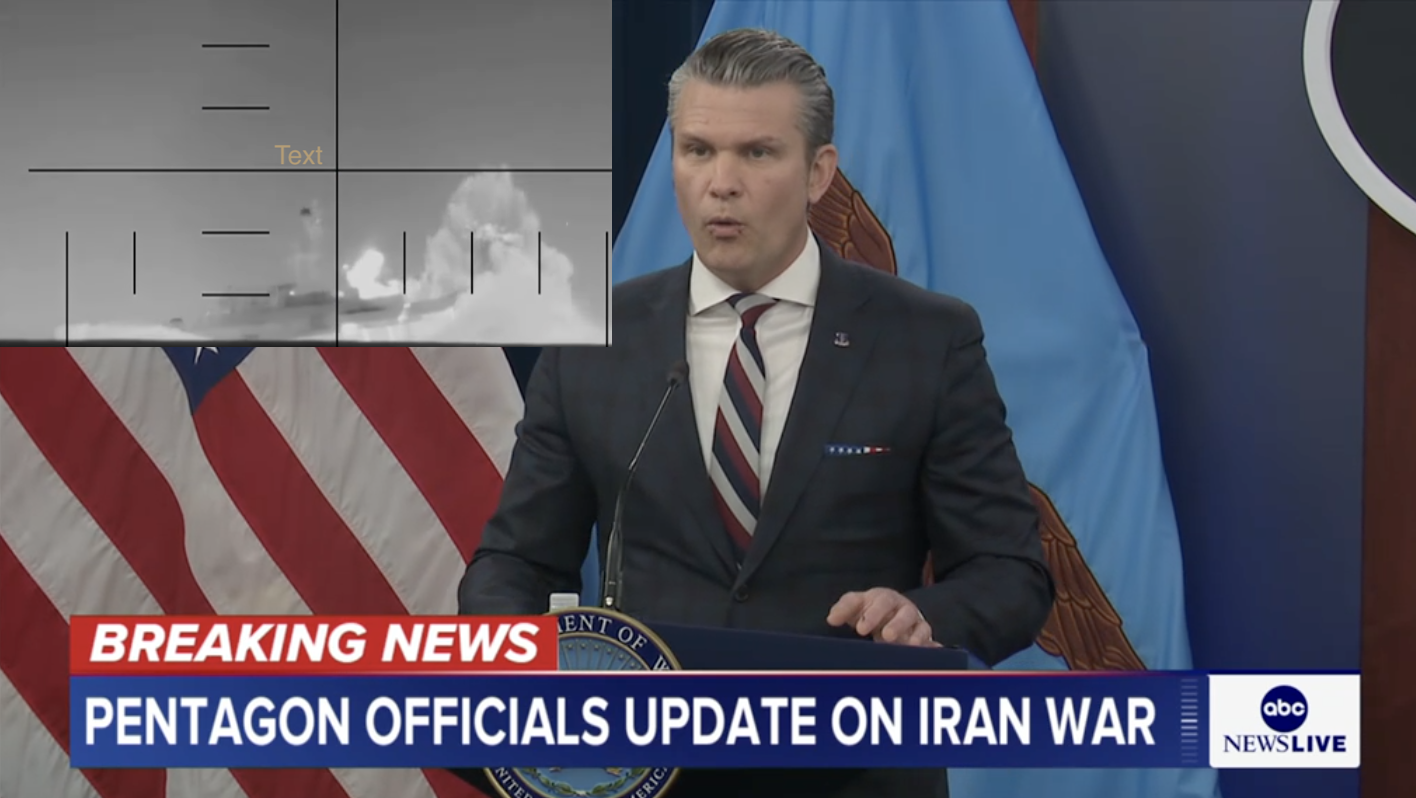
US Sub Strike Off Sri Lanka Resets Global Markets
A recent US submarine strike on an Iranian warship off Sri Lanka is fundamentally reshaping global market dynamics, signaling a significant escalation and broadening of the conflict. This event...
 Featured
Bitcoin Volatility: Macro Liquidity & Policy Drive BTC to $73,479
Bitcoin (BTC) price navigates a complex landscape influenced by macro liquidity, central bank policies, and the persistent inflation trend, impacting its trade near the sensitive $73,479 level.