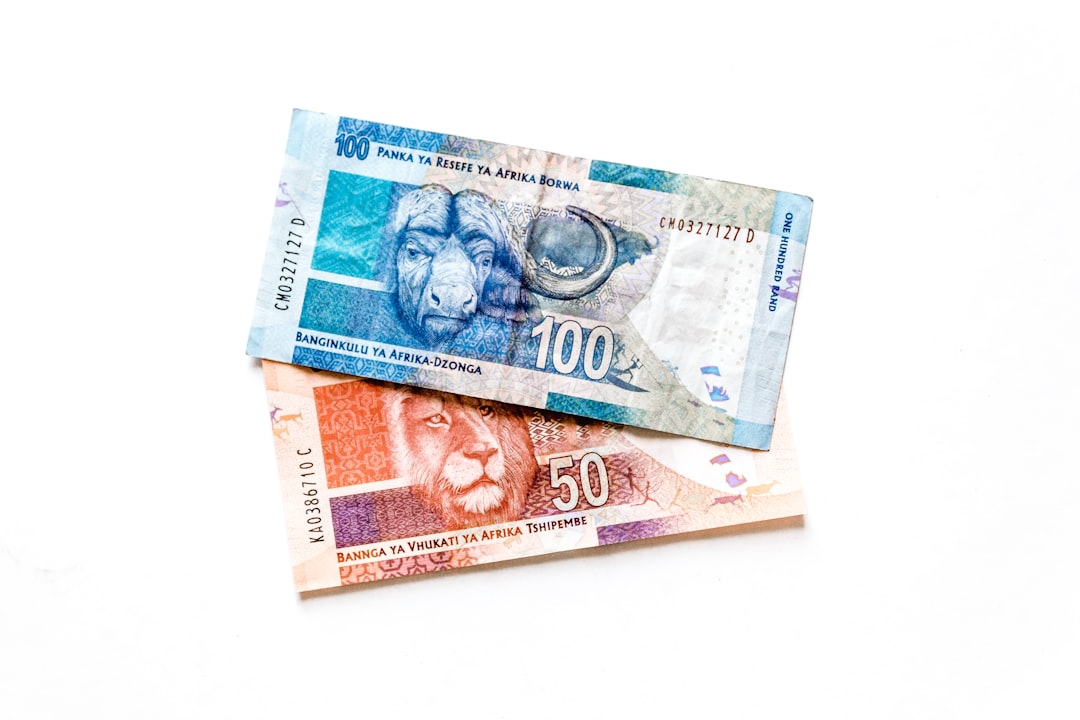
South African retail sales grew by 3.4% year-on-year in November 2025, accelerating from a revised 3.0% pace in October and signaling a consumer sector that remains resilient as monetary policy begins to transition. On a seasonally adjusted month-on-month basis, sales rose 0.6%, offering a constructive read on household demand amidst a low-inflation environment.
Domestic Demand Shows Surprising Momentum
The latest print suggests that the South African consumer is navigating restrictive financial conditions better than many anticipated. This sequential improvement is critical for the South African Reserve Bank (SARB) as it gauges the domestic demand floor. A stabilizing retail sector reduces downside recession risks and allows policymakers to pursue a more measured easing cycle rather than a reactive, aggressive one.
Policy Transmission and the Rate-Sensitive Consumer
As inflation remains anchored, the transmission of lower borrowing costs is expected to support consumption through improved sentiment and a reduced real-income squeeze. However, the full impact of policy easing depends heavily on credit availability. If commercial banks maintain tight credit standards, the transmission of rate cuts to the broader economy may be dampened despite these positive retail signals.
For more context on the broader South African economic landscape, see our recent coverage on South Africa Inflation Rises to 3.6%.
Market Implications: Rates, Rand, and Equities
The 3.5% growth figure carries several implications for traders and investors:
- Interest Rates: Stronger retail activity may temper expectations for aggressive rate cuts, though a low inflation profile keeps the overall policy bias dovish.
- Forex (ZAR): While improved domestic activity boosts confidence, the South African Rand (ZAR) continues to be driven largely by global risk-premium repricing.
- Equities: Consumer-facing sectors on the JSE are likely to see support as evidence of demand resilience mount.
Key Metrics to Watch in 2026
To determine if this retail bounce is durable, market participants should monitor real wage growth and employment data to ensure the sustainability of consumption. Furthermore, the upcoming policy decision on January 29 will be pivotal in determining if the SARB signals a continuation of its gradual easing path.
The South African market is also being influenced by global trends affecting emerging markets, as seen in the JSE All Share Index analysis.
Conclusion
The acceleration in retail sales provides evidence that the South African consumer is positioned to benefit from the current easing turn. The primary challenge for 2026 remains whether credit growth and investment will align sufficiently to transform this seasonal resilience into a long-term structural recovery.