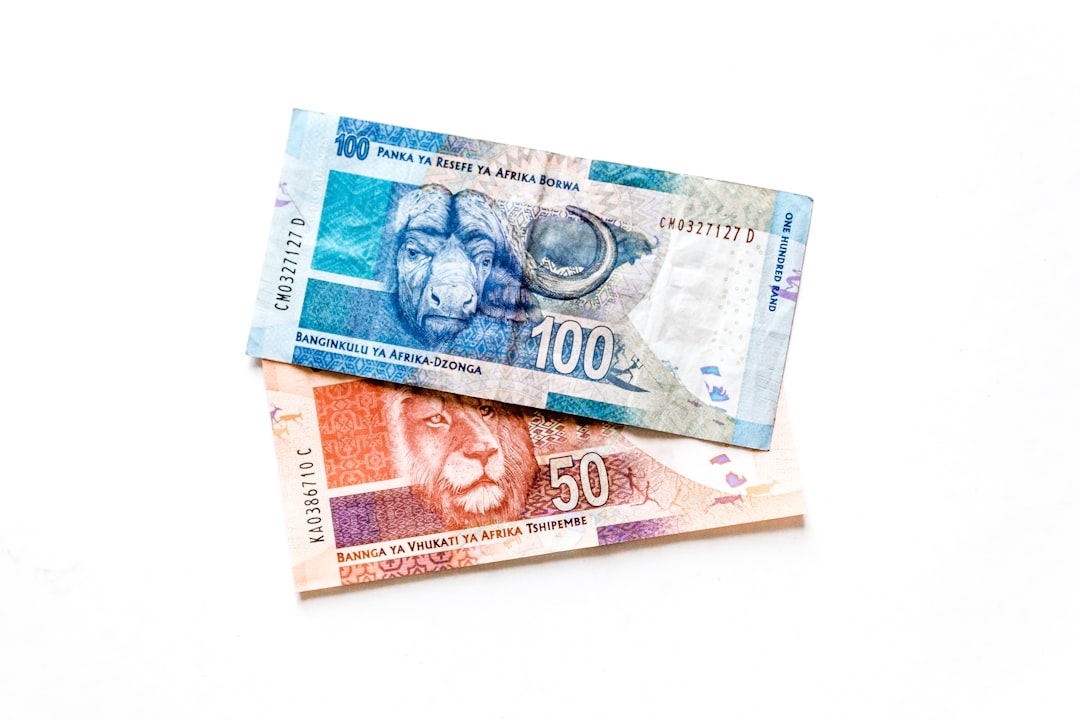
South Africa’s headline CPI inflation rose modestly to 3.6% year-on-year in December 2025, up from 3.5% in November, while core inflation printed at 3.3%. Despite the slight uptick, inflation remains firmly within the South African Reserve Bank's (SARB) target range, ensuring that the inflation constraint is not binding in the near term and keeping the door open for further monetary easing.
Why the Modest Rise Fails to Shift the Inflation Regime
A 0.1% increase in the headline figure is frequently driven by specific volatile categories, such as housing, utilities, and food. However, the broader narrative for the South African economy remains one of disinflationary success. The 2025 average inflation rate of approximately 3.2% marked the lowest level in more than two decades, providing a significant cushion for policymakers.
From a policy perspective, this environment reduces the risk of "premature easing." Because inflation is contained, real interest rates remain restrictive at current levels, allowing the SARB to focus on growth conditions without sacrificing price stability.
Monetary Policy: Restrictive Real Rates and Easing Bias
Following a 25-basis point cut in November to 6.75%, the SARB is scheduled to meet again on January 29. With inflation tracking in the bottom half of the target band, the base-case remains a gradual easing cycle. This bias is likely to persist unless the market encounters significant tail risks, such as:
- Material currency depreciation that threatens import price stability.
- A de-anchoring of long-term inflation expectations.
- External geopolitical or economic shocks requiring a defensive monetary stance.
The Rand and the Real-Rate Channel
In the emerging market (EM) space, the South African Rand (ZAR) typically trades on real-rate differentials. While stable inflation and high nominal rates support the ZAR through carry trade dynamics, the currency remains hypersensitive to global risk-off sentiment and commodity cycle fluctuations. As noted in recent JSE market analysis, the policy risk premium continues to be a primary driver for South African assets.
Economic Growth and Market Implications
Lower inflation is a necessary catalyst for recovery, reducing debt-service burdens and supporting consumer spending. However, the effectiveness of rate cuts depends heavily on solving supply-side constraints and improving investment confidence.
Key Market Takeaways:
- Rates: The front end of the curve is sensitized to incremental shifts in SARB expectations. Continued low inflation could lead to a bull-steepening of the yield curve.
- Forex: Carry dynamics remain supportive, though the Rand faces asymmetric risk during global volatility spikes.
- Equities: Domestically focused stocks are positioned to benefit from easing, while exporters will focus on the ZAR’s performance and global demand.
The Multi-Factor Watchlist
Investors should prioritize four key pillars ahead of the January 29 decision: inflation expectations, currency resilience against external shocks, food/energy price volatility, and SARB forward guidance. The December print confirms that South Africa is navigating a period of price stability, keeping the easing path alive while maintaining a watchful eye on global risk premia.