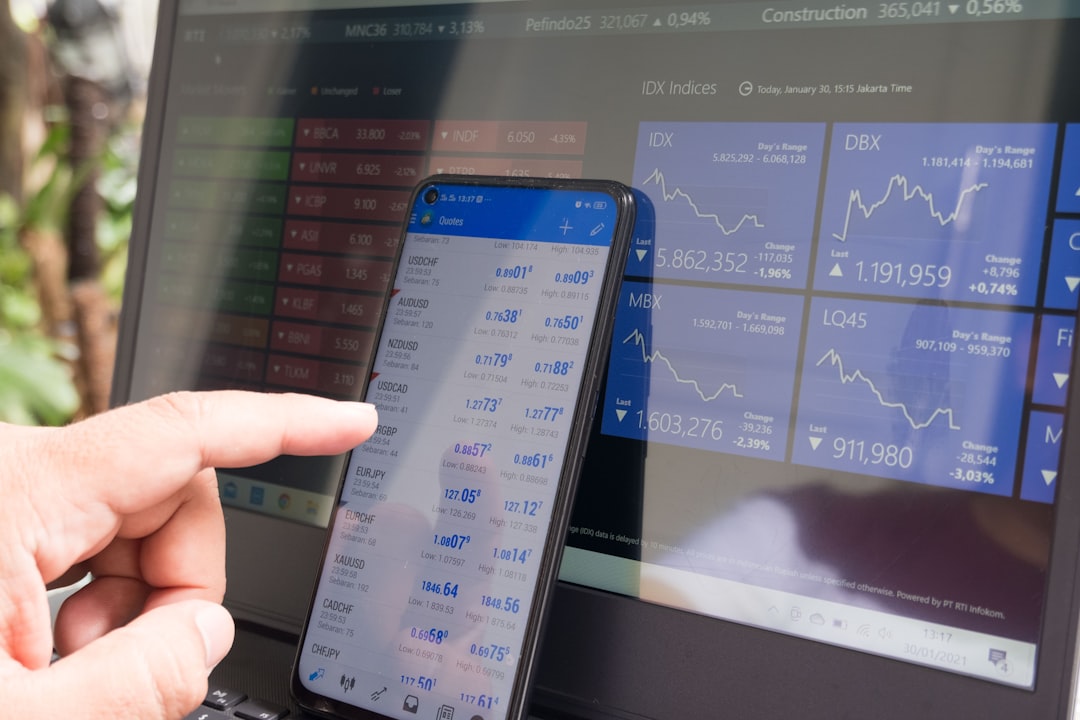
The USD/MXN pair navigated a headline-sensitive tape during the January 22nd session, maintaining a range-bound bias as market participants balanced rate differential anchors against intraday positioning flows. With the 10Y US Treasury yield holding at 4.251%, the pair remained sensitive to the relative-rate lens while awaiting clear directional catalysts from the New York session.
Market Recap: Rates Backdrop and Price Action
As of 13:45 UTC, USD/MXN spot was trading at 17.4796, marginally down 0.05% on the day. The intraday range remains well-defined between 17.4379 and 17.5125. While the fundamental rates backdrop—featuring a 2Y yield at 3.618%—serves as the primary anchor, marginal moves have been largely dictated by liquidity conditions and short-lived positioning shifts.
Session Breakdown
- London Early Session: Discovery was characterized by thin liquidity and initial positioning adjustments.
- London Mid-Day: Price discovery intensified, though the established range edges remained respected.
- New York Open: Follow-through was observed, though confirmation of a sustained trend remains elusive.
Technical Trade Map and Key Levels
For traders navigating the current environment, the 17.4767 level serves as the critical daily pivot. Market behavior around this figure will likely dictate the regime for the upcoming sessions.
Support and Resistance Zones
- Buy Zone (Constructive): 17.3500 – 17.4767
- Sell Zone (Heavy): 17.4767 – 17.6500
- Hard Support: 17.4379
- Hard Resistance: 17.5125
A sustained hold above 17.5125 could signal an extension toward the 17.6000 and 17.9000 levels. Conversely, a break below the 17.4379 support may open the door for a downside move toward 17.3500 or even the psychological 17.0500 handle.
Strategic Analysis: Risk Tone and Rates Transmission
The outlook for USD/MXN remains dependent on shifts in global risk sentiment. High-beta currencies like the Mexican Peso typically underperform when equity volatility spikes, leading to demand for defensive assets like JPY or CHF. Conversely, a pro-cyclical bid during periods of improved risk appetite would likely see MXN outperform.
The Role of US Front-End Yields
Even modest fluctuations in the US front end can impact the tape. If USD/MXN fails to respond to shifts in US yields, it suggests that idiosyncratic factors—such as local Mexican narratives or specific hedging demand—are driving the second leg of the pair. Traders should monitor whether rate moves lead spot or if price action behaves as a pure flow-driven tape.
Execution Discipline: Navigating Range Breakouts
In a well-defined range, price spending significant time near "the figure" (17.4000) often reflects a mix of real-money rebalancing and short-term momentum trading. The "first touch" of a breakout level is frequently the lowest-quality entry; higher-probability setups usually occur on a successful retest where the breakout level holds on the first pullback.