
Sector Rotation: Quality Cyclicals Over Pure Duration Plays

Amid sticky rates and geopolitical noise, the market is favoring quality cyclicals over pure duration plays, driven by balance-sheet strength and policy visibility. This shift emphasizes sector...
The financial markets are currently undergoing a significant sector rotation, shifting preference towards companies demonstrating robust balance sheets and clear policy visibility. This dynamic is leading investors to favor quality cyclicals over pure duration plays, reflecting an environment where cash flow and balance-sheet strength are paramount.
The Evolving Rotation Map
Several key shifts define this rotation. Energy maintains its leadership, fueled by supply discipline and ongoing geopolitics, even as the tech sector grapples with AI funding costs. Financials are benefiting from attractive carry trades and stable interest rates, while utilities attract defensive bids as a duration proxy. Industrials are receiving a strong policy tailwind, particularly from critical minerals stockpiling initiatives, contrasting with staples that serve as volatility dampeners. Materials are gaining from strategic procurement efforts, whereas discretionary sectors remain highly sensitive to interest rate fluctuations. In healthcare, a steady carry perspective prevails, while communication services are closely tied to capex-funded growth narratives. This intricate dance of sectors highlights a market increasingly focused on underlying quality amidst persistent macroeconomic uncertainties, especially as the Crude Oil CL=F chart live shows immediate reactions to geopolitical events.
Drivers of the Shift and Market Implications
The market's current orientation implies a flatter growth trajectory, punctuated by specific areas of policy-driven demand. This framework underscores why sector selection has become more critical than broad index beta, particularly when rates remain elevated (sticky) and geopolitical headlines create noise. The risk overlay emphasizes vigilance: a sudden crude spike or a stronger dollar could cause defensives and exporters to diverge sharply, necessitating quick rebalancing decisions. Furthermore, sectors with high operating leverage are now more vulnerable to funding costs than to top-line growth, shifting investor preference towards companies with strong free cash flow conversion. The interplay between energy market dislocations and technological advancements, as seen in the Crude Oil CL=F realtime data, further accentuates these shifts.
Crude Oil and AI Capex: The Dual Anchors
The continuous oil and gas shutdowns in Iraq and Kuwait are significantly widening the Iran war’s impact on energy prices. This situation is further underscored by the U.S. response, which includes lining up insurance and naval escorts. Concurrently, the 'AI Capex War' is creating what many anticipate will be a clear winner by the close of 2026. These two powerful narratives act as anchors, binding policy decisions to real asset valuations. Within a sector rotation framework, defensives and cyclicals are the first to react, with the 'quality factor' then confirming the sustained nature of these moves. The Crude Oil CL=F price live provides an immediate reflection of this geopolitical and supply-side pressure, influencing broader market sentiment and sector allocations.
Risk Management and Portfolio Strategy
Effective risk management is crucial, recognizing that core inflationary pressure remains sticky. This environment presents a trade-off between carry and convexity. While rotation pricing currently favors quality cyclicals over pure duration, the payoff map is asymmetric, particularly if volatility spikes. Portfolio sizing rules dictate maintaining optionality in the hedge book to absorb unexpected policy surprises. Desk observations highlight how external shocks, like the Middle East geopolitical situation affecting crude oil, coupled with the transformative potential of AI Capex, push defensives in one direction and compel cyclicals to re-rate. The quality factor then arbitrates whether these moves are sustainable. Investors should actively monitor funding costs, hedging demand, and relative value, as pricing suggests a continued lean towards quality cyclicals over pure duration, though the distribution is wider due to persistent inflationary pressures. This dynamic reinforces why the Crude Oil CL=F live chart is a vital tool for real-time risk assessment.
Implementation and Tactical Hedging
Given the current market microstructure, which shows light flows and sensitivity to marginal news, dealers are exercising caution. This results in thinner market depth than normal. The skew influenced by sticky core inflation suggests that the 'quality factor' can often serve as a superior hedge compared to merely holding pure duration assets. Execution strategies should prioritize scaling in and out of positions over chasing momentum, acknowledging that liquidity can rapidly diminish around headline-driven events. Additional analysis demonstrates how the confluence of geopolitical energy shocks and the AI Capex War keeps defensives and cyclicals tightly linked, with quality factor acting as the ultimate determinant of risk appetite. Portfolio discipline calls for rotating by cash-flow certainty until persistent core inflationary pressure ceases to drive correlation spikes. Balancing factor exposures—allowing quality and value to coexist—is essential, especially as the cost of capital rises and inflation tails remain firm. Monitoring the Crude Oil CL=F live rate and its implications for various sectors is thus paramount for traders navigating this complex landscape.
Frequently Asked Questions
Related Stories

Bitcoin Volatility: Macro Liquidity, Policy, & Regulation Driving BTC
Bitcoin (BTC) and Ether (ETH) prices continue to be highly sensitive to macro liquidity conditions, with policy decisions and regulatory shifts playing a critical role in driving current...
 Featured
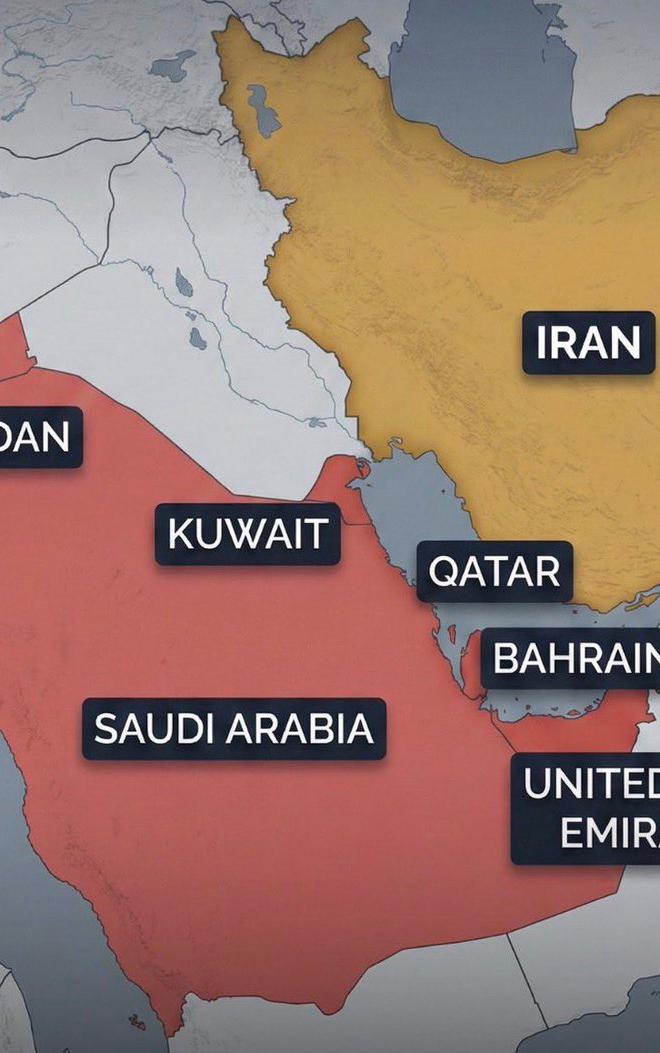
Iran's Gulf 'Hostage Strategy': Oil, Gold, & Forex Implication
Iran's recent statement, seemingly a de-escalation, is revealed as a strategic maneuver to pressure Gulf states hosting US military operations, creating profound implications for global oil, gold,...

Reshoring & Stockpiling Reshape Cost Curves & Commodity Prices Live
Global supply chains are undergoing a significant transformation due to increasing reshoring and stockpiling initiatives, fundamentally altering cost curves across industries and impacting...
Bitcoin Volatility: Macro Liquidity & Policy Drive BTC to $67,832
Bitcoin's price movements are increasingly dictated by macro liquidity and policy decisions, not just crypto-specific hype. With BTC trading near $67,832, understanding the interplay between...