
Bitcoin War Test: Crypto's Role Amidst Middle East Conflict

Bitcoin underwent its first real 'war test' over the weekend, revealing its complex role in geopolitical crises. While initial shocks led to broad liquidations, its subsequent rebound highlighted...
The recent geopolitical escalations in the Middle East provided an unprecedented real-time stress test for the cryptocurrency market. With traditional markets closed, Bitcoin and other digital assets were the first to react to fear, liquidation, and eventual relief, showcasing a nuanced response that challenges simplistic 'safe haven' narratives.
Bitcoin's Unconventional War Test: Liquidity and Narrative
Following joint U.S.-Israeli strikes on Iran and the subsequent retaliatory cycle, the market shifted from headline risk to infrastructure risk. The confirmed death of Ayatollah Ali Khamenei, coupled with widespread airspace restrictions and disruptions in key hubs like Dubai, Abu Dhabi, and Doha, sent immediate shockwaves. Shipping through the Strait of Hormuz was severely impacted, prompting OPEC+ to increase output, though this did little to alleviate concerns over blocked routes. This dynamic reveals that crypto, in such events, initially trades like modern macro assets, driven by liquidity and leverage, before narrative takes over. The distinction is vital for understanding Bitcoin's role as a war hedge. Observing the BTCUSD price live during these events provided critical insights into market sentiment.
The initial forty-eight hours of the crisis laid bare its potential scope. Direct U.S.-Israeli strikes on Iran were not limited to symbolic targets, and Iran's retaliation across the region had tangible commercial consequences. Major air hubs were shut down, commercial airspace thinned, and critical Gulf infrastructure sustained damage. The precariousness of shipping through Hormuz intensified. This makes it clear that the market is no longer questioning the reality of the conflict; rather, it’s grappling with the potential commercial blast radius.
Why Global Markets React So Strongly to Middle East Tensions
Financial markets are inherently ill-equipped to absorb simultaneous shocks across movement, energy, confidence, and diplomacy without a significant repricing. This recent conflict targeted all four. Closed airports signify impaired movement, while reduced tanker traffic indicates energy supply risks. Damage to economic hubs like Dubai and Abu Dhabi erodes confidence, and a hostile Security Council session underscores the failure of diplomatic off-ramps. This confluence of factors elevates the event far beyond a typical weekend news cycle. Monitoring the bitcoin khamenei death reaction demonstrated this interconnectedness.
Cross-Asset Map: Understanding Market Responses
Crypto and 24/7 Macro Trading
Crypto trades like modern macro assets in these volatile conditions. The immediate response is often de-risking, a reduction in leverage, and a flight to the dollar. However, once initial liquidations subside, the market begins to debate Bitcoin's true nature: is it a high-beta risk asset or a geopolitical hedge against state and payments system fragmentation? This underlying tension explains why crypto can experience both sharp declines and rapid rebounds within a short timeframe. The real-time movements of the bitcoin iran war headlines directly impacted this debate, with the BTC USD price fluctuating significantly. Analyzing the BTC USD chart live revealed the speed of these reactions.
Forex and Global Liquidity
Forex markets reflect external shocks in layers. The initial reaction is a classic risk-off shift into the U.S. dollar, Swiss franc, and often the yen. The subsequent move is more selective; oil-linked currencies may gain from higher crude prices, while energy importers and fragile emerging-market currencies face pressure. In the Gulf, currency pegs can mask underlying shifts, with true repricing evident in sovereign spreads, Credit Default Swaps (CDS), equities, and funding conditions. Many wondered about the impact on the bitcoin usd realtime conversion during this turmoil.
Gold and Safe Havens
Gold remains the clearest liquid hedge in this environment, embodying war, policy uncertainty, and institutional distrust in one trade. When the market map becomes unclear and a clear exit strategy is elusive, gold transitions from a speculative asset to a core portfolio response. While silver can follow, gold is the primary 'fear asset' when geopolitical concerns lead over cyclical ones. The consistent demand for safe havens reaffirmed gold's traditional role.
Rates and the Central-Bank Dilemma
The impact on interest rates presents a significant macro challenge. Higher oil prices fuel inflation fears, while closed airspaces, reduced travel, and tighter financial conditions point to slower growth. This combination creates a violent push-pull dynamic in sovereign bonds, complicating central banks' ability to offer clear easing guidance. The bond market simultaneously prices in both fear and inflation, making yield volatility a critical indicator. The question of whether bitcoin to USD live rate movements signaled inflation or risk appetite was a constant feature.
Equities and Sector Rotation
Equity markets exhibit varied responses. Sectors like energy, defense, and some commodity-linked companies may outperform. Conversely, airlines, tourism, transport, consumer cyclicals, and duration-sensitive growth stocks can significantly underperform. If the crisis impacts airports, ports, hotels, and financing conditions broadly, the market shift moves beyond mere sector rotation to genuine multiple compression. Traders closely followed the BTC USD live chart to gauge broader market sentiment amidst these sectoral shifts.
Credit and Funding
Credit markets serve as a powerful truth detector. If oil prices surge but credit spreads remain relatively stable, traders perceive the event as a severe but manageable geopolitical shock. However, if transport, property, banking, and emerging market spreads widen significantly, it signals that the crisis has evolved beyond headlines into a serious financing and confidence event. The overall market behavior for the bitcoin dollar live market was a topic of intense discussion.
Oil remains the primary transmission channel. Brent and WTI crude prices are now trading not just on inventory and demand, but on the continued functionality of the Gulf's export infrastructure, the commercial viability of Hormuz, and whether insurers and shipowners deem the route too risky for normal operations. This can lead to exaggerated movements in prompt crude, refined products, and freight-linked fuel markets. The implications of an escalating iran us war news today resonated across all asset classes.
The "Gulf Confidence Trade" Under Threat
The Gulf region's unique economic model hinges on the frictionless movement of people, capital, and goods. Key centers like Dubai, Abu Dhabi, Doha, Kuwait City, Bahrain, and Riyadh rely on this. When airports close, ports slow, and iconic infrastructure appears in war footage, the region ceases to function as a protected service hub, transforming into a frontline commercial theater. This re-evaluation of risk impacts everything from real estate to tourism and investment flows.
What to Watch Next
Going forward, observe if Bitcoin can sustain its weekend gains once traditional markets reopen, and whether ETF flows validate the move. The firmness of the dollar will also be a key indicator. If the broader macro complex signals another sharp risk-off shift, crypto may need to re-test lower levels before a stable relief rally can establish itself. For the near term, FXPremiere Markets advises tracking four critical indicators: the expansion or contraction of airspace closures, the normalization or deterioration of Hormuz traffic, whether oil maintains its war premium, and if credit spreads confirm or dismiss these movements. These signals will determine if this remains a transient scare or evolves into a prolonged regime shift. The discussion around bitcoin price live remains paramount for gauging overall market sentiment.
Bottom Line
The most significant error in a crisis of this magnitude is to view it through the lens of a single asset. This is not merely an oil story, nor solely a gold, or even just a Gulf story. It represents a comprehensive cross-asset repricing event, where the airspace map, shipping routes, market confidence, and policy responses are all in flux simultaneously. Traders who can clearly interpret these intertwined dynamics will outmaneuver those who simplify the entire conflict into a single price chart.
Frequently Asked Questions
Related Analysis
 Featured
Iran War Day 7: Market Repriced for Open-Ended Conflict
Day 7 of the ongoing Mideast conflict marks a critical shift from short-term escalation to a prolonged, open-ended war, compelling markets to reprice across asset classes, from crude oil prices to...
 Featured
Bitcoin Freefall Warning: Is $40K Realistic Amid War-Liquidity Collision?
A viral warning suggests Bitcoin could freefall to $40K, a scenario driven by escalating geopolitical tensions, energy infrastructure disruptions, and tightening global liquidity. This detailed...
 Featured
US Sub Strike Off Sri Lanka Resets Global Markets
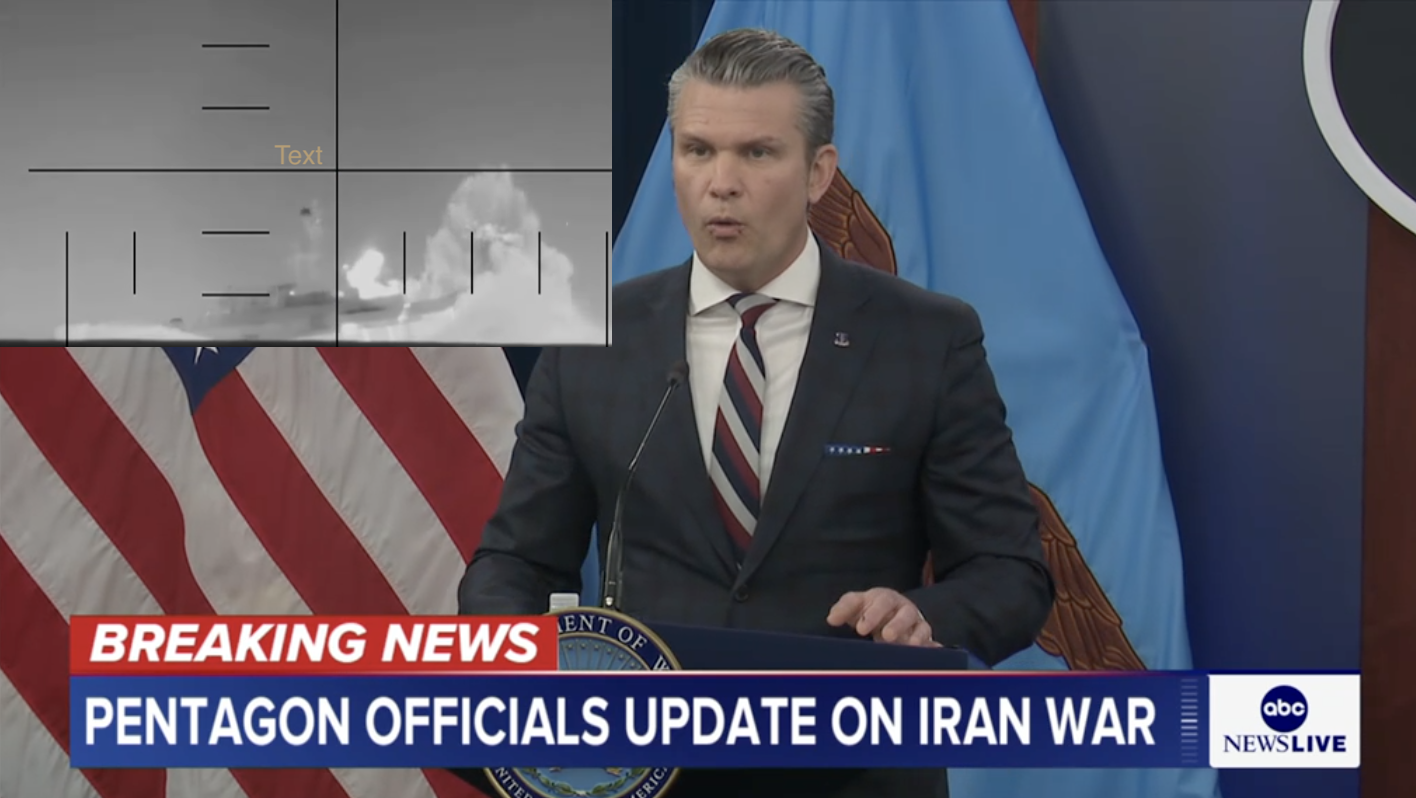
A recent US submarine strike on an Iranian warship off Sri Lanka is fundamentally reshaping global market dynamics, signaling a significant escalation and broadening of the conflict. This event...
 Featured
Bitcoin Volatility: Macro Liquidity & Policy Drive BTC to $73,479
Bitcoin (BTC) price navigates a complex landscape influenced by macro liquidity, central bank policies, and the persistent inflation trend, impacting its trade near the sensitive $73,479 level.