
Burj Khalifa Missile Threat: How it Reprices Oil and Gold
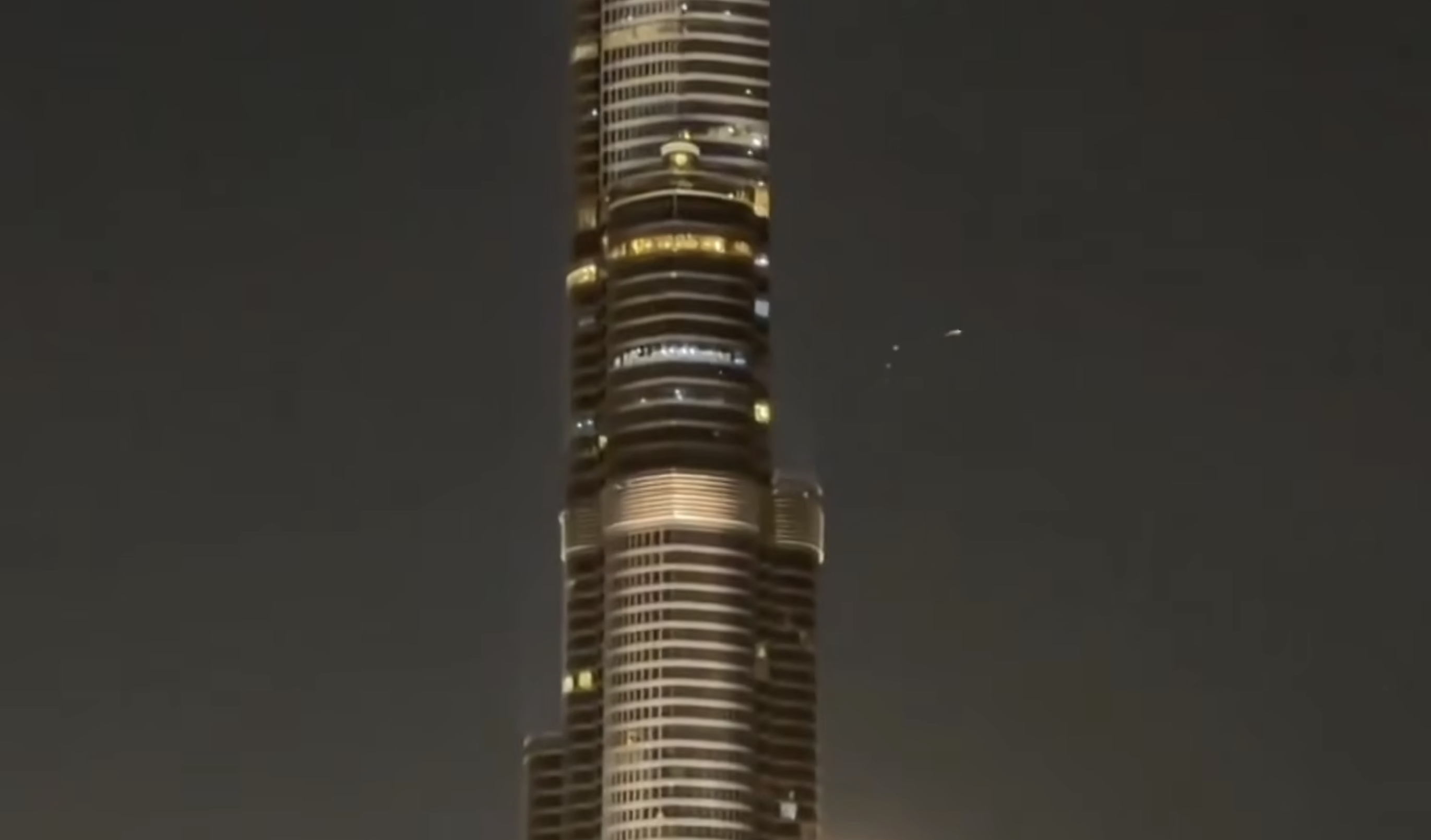
A reported missile intercept near Dubai's Burj Khalifa is fundamentally altering market perceptions, repricing oil, gold, and other global assets. This event moves beyond physical damage to...
The latest geopolitical developments, particularly a reported missile intercept near Dubai's iconic Burj Khalifa, are sending significant ripples through global financial markets. While the precise targeting of the world’s tallest tower is debated, the mere inclusion of such a symbol in the conflict narrative is enough to trigger a fundamental recalibration of risk across oil, gold, forex, and regional markets.
Burj Khalifa Enters the War Chat: A Shift in Market Psychology
The core message for traders and investors is clear: the moment Burj Khalifa enters the strike conversation, the trade changes. This isn't just about physical damage, but about the perception of symbolic immunity. Dubai has long sold an image of scale, safety, ambition, and capital, epitomized by structures like the Burj Khalifa. If this symbol is now mentally part of the war map, even hypothetically, it signals a deeper shift in how markets assess geopolitical risk in the region.
Dubai's economic model relies heavily on trust – the idea that wealth, trade, talent, and premium mobility can thrive untouched by regional instability. The Burj Khalifa is the visual shorthand for this narrative. When such an icon becomes associated with missile threats, the market starts to question what exactly remains outside the zone of risk, initiating a significant repricing.
Oil and Gold: The Immediate Beneficiaries of Heightened Risk
Unsurprisingly, oil markets have been among the first to react. While the Burj Khalifa itself doesn't produce oil, the threat signals an expansion of the conflict's perimeter. When the war touches Gulf airspace, airports, ports, hotels, and potentially regional landmarks, traders no longer believe the crisis is contained. This strengthens the geopolitical premium in Brent and WTI, as crude oil price & geopolitical risk factors weigh heavily. It transforms oil from merely an energy trade into a confidence trade, reflecting stress on the regional commercial nervous system.
Gold, the perennial safe-haven asset, thrives when symbolic certainty breaks down. A missile threat near the Burj Khalifa, regardless of precise intent, tells investors that the imagery of safety itself is vulnerable. This drives clean safe-haven demand, explaining why gold price soars under such conditions. Gold does not require perfect intelligence to rally; it merely needs the market to perceive that a supposedly insulated city no longer appears fully insulated. This geopolitical tension also influences where global capital seeks refuge, and naturally, XAUUSD price live is highly responsive to such shifts. Investors seeking to monitor its performance can frequently check the XAUUSD chart live for real-time updates.
Forex and Broader Market Implications
Forex markets express this elevated risk in stages. The initial response typically involves a classic risk-off move: a stronger U.S. dollar, a firmer Swiss franc, and often a bid into the yen. However, the deeper implications for Gulf markets are often masked in spot FX due to currency pegs. The true repricing emerges in sovereign spreads, bank funding conditions, local equities, and the valuation of tourism, property, and financial assets whose premiums depend on Dubai's image as a stable global platform. Ignoring the broader picture while only watching the EUR USD chart live or EUR USD price movements can lead to a misinterpretation of underlying market signals. Traders analyzing the EUR USD live chart should also consider the broader macro landscape.
Equities will likely see violent dispersion. While energy, defense, and select mining stocks might benefit from the broader war premium, sectors like airlines, travel, hospitality, premium retail, and regional financials face significant pressure. Their business models rely on the confidence that Dubai can absorb regional stress without impacting its core brand. The Burj Khalifa narrative directly attacks this confidence layer, potentially damaging the multiples investors are willing to pay. Furthermore, any impact on global trade routes could influence the EUR to USD live rate as well as the EURUSD price live. For a quick look at the current market, the EUR/USD price live can offer instantaneous insights. The EUR USD realtime data indicates sustained volatility, and our euro dollar live coverage continues to monitor these critical market shifts.
From Property to Credit: The Cascading Effects
Dubai's real estate, long priced for safety and access, will see its safe-haven premium questioned. If the city's most famous tower is now part of a wartime targeting story, trophy property values and elite capital inflows may face re-evaluation. Similarly, banks, whose business is intertwined with trade, wealth, and tourism, could see their valuations suffer not from immediate defaults, but from investors applying a higher geopolitical discount rate. This is how confidence events morph into financial headwinds.
Airlines and airports are direct casualties, as evidenced by past incidents causing disruptions and groundings. When the Burj Khalifa is conceptually linked to these security concerns, the aviation crisis is no longer seen as an isolated logistical problem but as part of a broader stress on Dubai’s entire premium infrastructure and brand. Shipping and insurance sectors serve as hidden amplifiers, where war-risk pricing rises across various domains, compelling businesses to plan around disruption rather than normality. The EURUSD price live remains a key indicator to watch during these times of uncertainty.
Credit Markets and Crypto: Truth Detectors and Two-Way Moves
Credit markets will act as a truth detector. If spot markets react dramatically but credit markets remain relatively calm, it suggests the scare is manageable. However, if Gulf-sensitive banks, property names, and tourism-linked credits materially widen, it signals a market reclassification of Dubai as being closer to the war zone. Crypto markets, on the other hand, typically experience a two-step reaction: an initial de-risking and dollar strengthening, followed by a debate among traders on whether the widening conflict enhances crypto's role as a speculative asset or a hedge against state and payment-system fragility, leading to sharp two-way movements.
What to Watch Next
The fundamental takeaway is that symbolic assets anchor economic narratives. The Burj Khalifa anchors the narrative of Dubai's resilience and safety. When a missile threat makes that symbol feel targetable, the narrative begins to crack, even if the intercept is perfect and the tower untouched. Markets will remember the question that was asked, and once questioned, the premium changes.
Moving forward, investors should observe:
- Whether Dubai-facing assets continue to underperform.
- If oil maintains its premium as the symbolic risk perimeter expands.
- If gold remains bid even as initial panic subsides.
- How insurers and airlines adapt their operations, reflecting a less insulated Dubai.
- Whether property and bank valuations begin to reflect a diminished exceptionalism premium.
These questions matter because the market is not just pricing what was hit, but what was once considered untouchable.
Related Reading
- Crude Oil Price & Geopolitical Risk: Navigating Energy Market Volatility
- Gold Price Soars: Iran-US War Reprices Bullion as Ultimate Macro Hedge
Frequently Asked Questions
Related Analysis
 Featured
Iran War Day 7: Market Repriced for Open-Ended Conflict
Day 7 of the ongoing Mideast conflict marks a critical shift from short-term escalation to a prolonged, open-ended war, compelling markets to reprice across asset classes, from crude oil prices to...
 Featured
Bitcoin Freefall Warning: Is $40K Realistic Amid War-Liquidity Collision?
A viral warning suggests Bitcoin could freefall to $40K, a scenario driven by escalating geopolitical tensions, energy infrastructure disruptions, and tightening global liquidity. This detailed...
 Featured
US Sub Strike Off Sri Lanka Resets Global Markets
A recent US submarine strike on an Iranian warship off Sri Lanka is fundamentally reshaping global market dynamics, signaling a significant escalation and broadening of the conflict. This event...
 Featured
Bitcoin Volatility: Macro Liquidity & Policy Drive BTC to $73,479
Bitcoin (BTC) price navigates a complex landscape influenced by macro liquidity, central bank policies, and the persistent inflation trend, impacting its trade near the sensitive $73,479 level.