
Commodity Prices Live: Policy Sets the Floor Amid Geopolitical Tensions
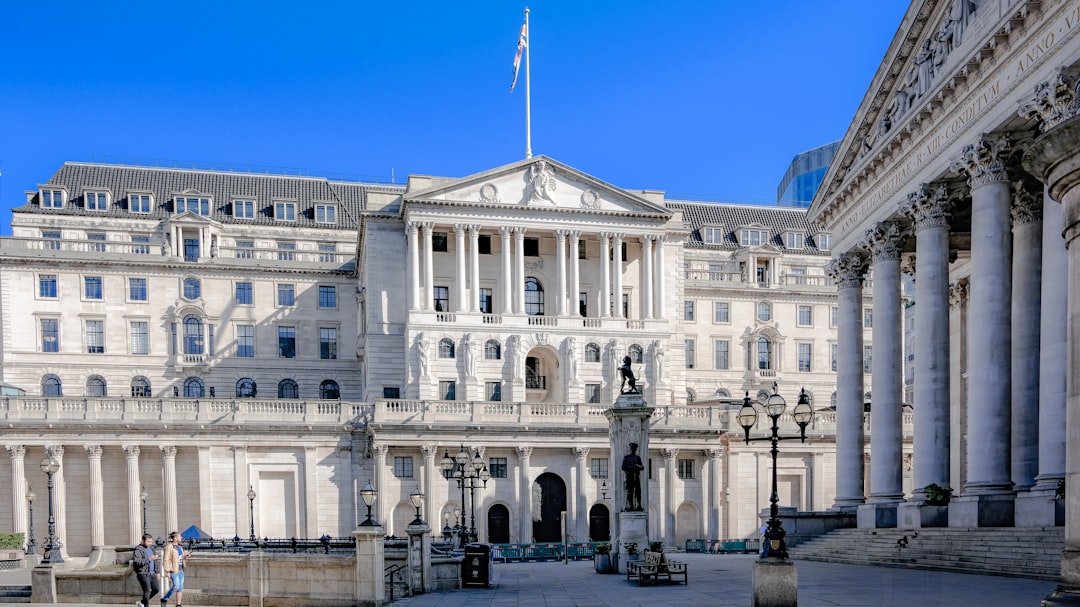
Commodities are increasingly trading as policy assets, with geopolitical events and strategic reserves shaping price movements across energy, metals, and agriculture. Understanding these dynamics...
In today's dynamic global landscape, commodities are no longer simply driven by supply and demand fundamentals but have become strategic policy assets, reacting sharply to geopolitical shifts and governmental interventions. This fundamental change is setting a new floor for commodity prices, even amidst mixed growth signals globally.
Energy: The Geopolitical Anchor
The energy sector remains a primary anchor for commodity markets. Decisions by OPEC+ to maintain voluntary cuts, coupled with grid risks in Ukraine and tensions like the Pakistan to import oil via Red Sea amid Gulf tensions; shifts to weekly price review., are adding a significant geopolitical premium to prices. This underpins crude and refined products, cushioning them even when broader economic indicators suggest weaker growth. The constant flux in physical supply assumptions, further stirred by discussions such as Trump’s Critical Iran War Vision Revealed by Treasury Secretary Amid Trade and Tariff Warnings., highlights how deeply intertwined energy and metals are now trading as policy assets.
From an equity perspective, this durability in energy cash flows is attractive, with buybacks often acting as a dampenener against volatility. In the yields market, higher breakevens are emerging more rapidly than optimistic growth expectations, signifying the market's pricing of inflation linked to these policy assets.
Metals: Strategic Supply and Demand
Like energy, metals have unequivocally become policy assets. The U.S. critical minerals reserve, for instance, is channeling demand into strategic stockpiles and long-term contracts. This move tightens the supply for essential rare earths and specialty inputs, providing robust support for mining stocks. This dynamic, where the XAUUSD real-time price is influenced not just by market trading but by governmental strategic decisions, demonstrates a new layer of complexity for investors. Investors should also observe the gold price live trends, as geopolitical events frequently lead to safe-haven flows, impacting its valuation. For those monitoring its performance, understanding the gold live chart is essential to spot emerging trends and potential entry or exit points.
The response from FX and broader spreads is noticeable: commodity-linked currencies tend to firm, while import-heavy Emerging Markets grapple with widening external financing spreads. This is a direct consequence of policy-driven shifts impacting global trade flows and commodity prices.
Agriculture: The 'Sleeper' Inflation Channel
Agriculture, often considered the 'sleeper' in this commodities narrative, presents a crucial second-round channel into food CPI. Ongoing freight rerouting, combined with elevated energy costs, are pushing input inflation directly into fertilizers and transport-sensitive crops. This means developments in energy policy and geopolitical risk quickly translate into higher costs for agricultural products, impacting food prices globally.
Cross-Asset Significance and Market Signals
Commodities function as the primary transmission belt between geopolitical events and inflation. Current real-asset pricing suggests sustained yields are being factored in, yet a policy-driven commodity bid could further elevate real assets and exert pressure on duration-sensitive stocks. A clear cross-asset indicator: if spreads in materials tighten while yield volatility increases, the market is signaling a preference for real assets over duration. This pattern often foreshadows a significant equity style shift towards value-oriented investments.
Inventory behavior is also paramount. When policy-driven stockpiles increase, producers may intentionally hold back supply, while buyers preemptively front-load orders. This results in tighter forward curves and higher roll yields, even if spot prices remain largely range-bound. While a stronger dollar typically caps commodity rallies, its influence is diminished when supply is constrained by policy. In such scenarios, commodities begin to trade as a distinct asset class, complete with their own unique risk premium. The Pakistan to import oil via Red Sea amid Gulf tensions; shifts to weekly price review. situation acts as a primary anchor, but Trump’s Critical Iran War Vision Revealed by Treasury Secretary Amid Trade and Tariff Warnings. serves as a powerful catalyst. This combination forces immediate re-evaluation within energy and metals, with agriculture serving as the ultimate arbiter of sustained market moves.
Tactical Approaches and Risk Management
Tactically, keeping a small, convex position that benefits from a sudden rise in correlations is prudent. The current context, marked by the ongoing Pakistan to import oil via Red Sea amid Gulf tensions; shifts to weekly price review. and Trump’s Critical Iran War Vision Revealed by Treasury Secretary Amid Trade and Tariff Warnings. discussions, specifically pushes energy forward, while metals absorb the adjustment. The ultimate swing factor, agri, will indicate whether overall risk appetite holds. Despite light flows, the market remains highly sensitive to marginal news, making position sizing far more critical than entry timing.
The pricing consensus currently discounts a policy-backed bid in real assets. However, the omnipresent risk of Oil prices surge as Middle East tensions threaten US small businesses. introduces asymmetry into payoff maps. Should this risk materialize, correlations will tighten, and energy typically outperforms metals on a risk-adjusted basis. Therefore, maintaining flexibility and optionality is key, as geopolitical events like Oil prices surge as Middle East tensions threaten US small businesses. can cause spot markets to tighten rapidly, often with term curves underpricing the persistence of such effects. Ultimately, policy risk is now sector-specific, serving as a critical signpost for the next rotation in financial markets.
Watchlist Items
- Crude oil backwardation
- Copper forward curve dynamics
- USD currency basket performance
If the dollar strengthens, any commodity rallies will require genuine supply tightness to be sustainable.
Frequently Asked Questions
Related Analysis
 Featured
Iran War Day 7: Market Repriced for Open-Ended Conflict
Day 7 of the ongoing Mideast conflict marks a critical shift from short-term escalation to a prolonged, open-ended war, compelling markets to reprice across asset classes, from crude oil prices to...
 Featured
Bitcoin Freefall Warning: Is $40K Realistic Amid War-Liquidity Collision?
A viral warning suggests Bitcoin could freefall to $40K, a scenario driven by escalating geopolitical tensions, energy infrastructure disruptions, and tightening global liquidity. This detailed...
 Featured
US Sub Strike Off Sri Lanka Resets Global Markets
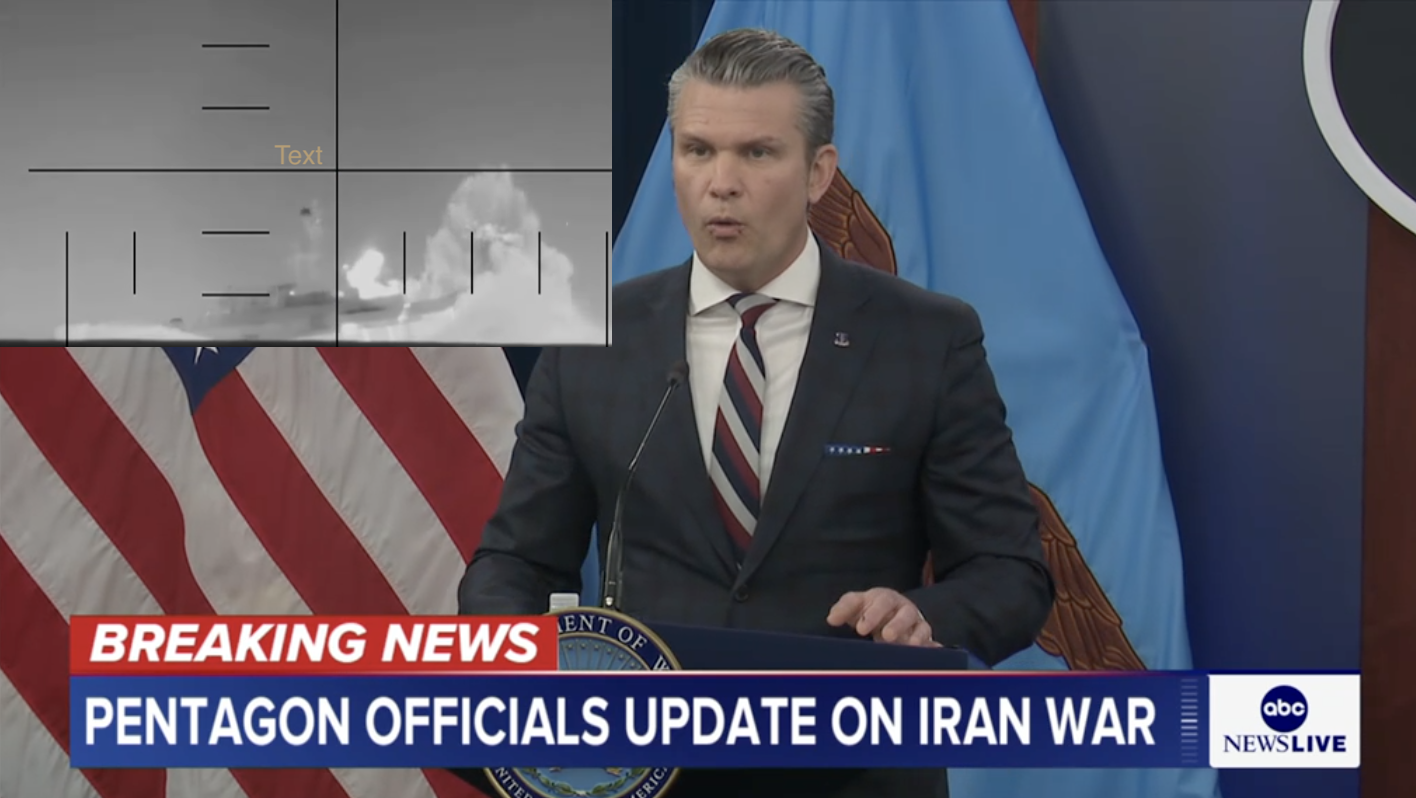
A recent US submarine strike on an Iranian warship off Sri Lanka is fundamentally reshaping global market dynamics, signaling a significant escalation and broadening of the conflict. This event...
 Featured
Bitcoin Volatility: Macro Liquidity & Policy Drive BTC to $73,479
Bitcoin (BTC) price navigates a complex landscape influenced by macro liquidity, central bank policies, and the persistent inflation trend, impacting its trade near the sensitive $73,479 level.