
Crude Oil Price & Energy Market Volatility Deep Dive

Amidst geopolitical tensions and tight inventories, crude oil remains a pivotal asset. This analysis explores the collision of OPEC+ discipline with winter grid stress, shaping the energy market's...
The global energy market is currently navigating a complex interplay of supply discipline, geopolitical risk, and shifting demand dynamics, with crude oil squarely at the center. OPEC+ production management, while aimed at stability, is colliding with inherent winter grid stress, creating an environment where even minor shocks can have significant repercussions.
Energy Market Equilibrium: Supply vs. Demand Dynamics
Inventories globally are sufficiently tight, ensuring that any small disruption can send ripples through the market, maintaining an elevated sensitivity for oil prices. The strategic question of 'What If the Strait of Hormuz Shuts Down? A Global Oil Shock That Could Hit India Hard.' looms large, creating a practical setup where traders must consider extreme scenarios. Simultaneously, the narrative of 'Oil Rally Builds as ‘Staggering’ Middle East War Jolts Energy.' indicates a market already on edge. This precarious balance means that traditional macro forecasts often cede importance to operational outages, making crude the hinge asset in the current environment.
The OPEC+ signal remains a key driver. While China, the world's largest energy importer, is strategically well-positioned regarding Iran, the broader implications of an 'US Iran War Oil Impact: Market Analysis & Price Outlook.' cannot be understated. Geopolitically, 'Oil Prices Surge Further and Markets Slump as Middle East War Intensifies.' and the sustained 'Oil Rally Builds as ‘Staggering’ Middle East War Jolts Energy.' are testament to the region's outsized influence on global energy prices.
Demand Signals and Supply Response
On the demand side, recent China PMI data presents a mixed picture, with new export orders signaling a soft demand environment despite supportive policy liquidity. Conversely, supply dynamics are characterized by OPEC+ judiciously retaining spare capacity, a crucial policy lever. This approach keeps prompt barrels tight without committing to a full draw, suggesting that price dips are likely to be shallow unless a significant downturn in demand materializes.
The demand mix is nuanced. A softer China PMI reduces general growth expectations, but institutional strategic stockpiling and various price-floor policies could sustain industrial demand, widening the gap between oil and metals at the margin. This divergence creates distinct opportunities and risks across commodity sectors.
Cross-Asset Correlations and Positioning
A firmer Brent Crude Price Live: Geopolitical Risk Fuels Energy Volatility typically translates into strength for commodity-linked currencies and often pressures emerging markets that are net energy importers. Simultaneously, high-yield energy spreads serve as an early warning for shifts in broader credit appetite. Looking at the positioning snapshot, flows are generally light, rendering the market highly sensitive to marginal news. The specter of 'What If the Strait of Hormuz Shuts Down? A Global Oil Shock That Could Hit India Hard.' nudges participants toward robust hedging strategies, while the persistent 'Oil Rally Builds as ‘Staggering’ Middle East War Jolts Energy.' encourages selective carry trades. This dynamic positions inflation breakevens as the most direct expression of the prevailing theme.
The current market microstructure reflects caution among dealers, leading to thinner liquidity depths than usual, especially around significant event risks. Current USD to JPY live rate pricing indicates firm crude curves alongside contained demand fears, but the distribution of potential outcomes is skewed by the fact that 10-year Treasury yield tops 4.09% as surging oil prices from Iran conflict raise inflation angst. This backdrop explains why commodity FX often provides a more effective hedge than pure duration plays. Our USDJPY price live analysis suggests this correlation will likely persist. For those following the EUR USD price, this interconnectedness highlights systemic risk.
Execution, Risk Management, and Future Outlook
From an execution perspective, it is advisable to scale into and out of positions rather than chasing momentum, particularly because liquidity can gap dramatically with headline-driven news. The confluence of 'What If the Strait of Hormuz Shuts Down? A Global Oil Shock That Could Hit India Hard.' and 'Oil Rally Builds as ‘Staggering’ Middle East War Jolts Energy.' strengthens the link between geopolitical policy and real asset performance. In this energy balance framework, crude oil and inflation breakevens are typically the first to react, with commodity FX confirming the trajectory. Understanding the EURUSD price live context is crucial for anticipating market shifts influenced by these factors.
For effective risk management, especially with the 10-year Treasury yield tops 4.09% as surging oil prices from Iran conflict raise inflation angst. in the background, investors face a clear trade-off between carry and convexity. While energy-linked pricing factors in firm crude curves with contained demand fears, the payoff map becomes asymmetric if volatility spikes. The EUR USD chart live data reflects this asymmetry, making vigilance key. Our EUR USD realtime updates help track these rapid changes. Moreover, the EUR to USD live rate is highly susceptible to these geopolitical currents. Keep an eye on the EUR USD live chart for intraday volatility.
The sizing rule for positions emphasizes maintaining optionality in the hedge book, enabling portfolios to absorb unexpected policy surprises. As market participants, we note that 'What If the Strait of Hormuz Shuts Down? A Global Oil Shock That Could Hit India Hard.' serves as a foundational anchor, but 'Oil Rally Builds as ‘Staggering’ Middle East War Jolts Energy.' acts as the immediate catalyst. This combination forces crude in a distinct direction and necessitates a re-rating of inflation breakevens. If this move sustains, commodity FX will ultimately serve as the arbiter. The crude oil price live feed is essential for monitoring these developments.
Key indicators to watch include funding costs, hedging demand, and relative value metrics. While pricing points to stable crude curves and contained demand fears, the overall distribution is wider due to the 10-year Treasury yield tops 4.09% as surging oil prices from Iran conflict raise inflation angst. Therefore, position sizing discipline is paramount, even more so than tactical entry points. Execution discipline requires a keen awareness of calendar and outage risks, as the 10-year Treasury yield tops 4.09% as surging oil prices from Iran conflict raise inflation angst. has the potential to accelerate inflation channels faster than demand can react. Crude oil chart live data underscores the importance of this vigilance. The crude oil realtime ticker provides constant updates.
Currently, market pricing shows supported crude curves, with energy equities continuing to outperform broader cyclical sectors. The macro significance here is profound: energy prices influence both inflation prints and corporate margins. An elevated energy risk premium can consequently re-tighten global financial conditions through its impact on breakevens and foreign exchange markets, including the Crude oil price live and crude oil live rate.
Frequently Asked Questions
Related Analysis
 Featured
Iran War Day 7: Market Repriced for Open-Ended Conflict
Day 7 of the ongoing Mideast conflict marks a critical shift from short-term escalation to a prolonged, open-ended war, compelling markets to reprice across asset classes, from crude oil prices to...
 Featured
Bitcoin Freefall Warning: Is $40K Realistic Amid War-Liquidity Collision?
A viral warning suggests Bitcoin could freefall to $40K, a scenario driven by escalating geopolitical tensions, energy infrastructure disruptions, and tightening global liquidity. This detailed...
 Featured
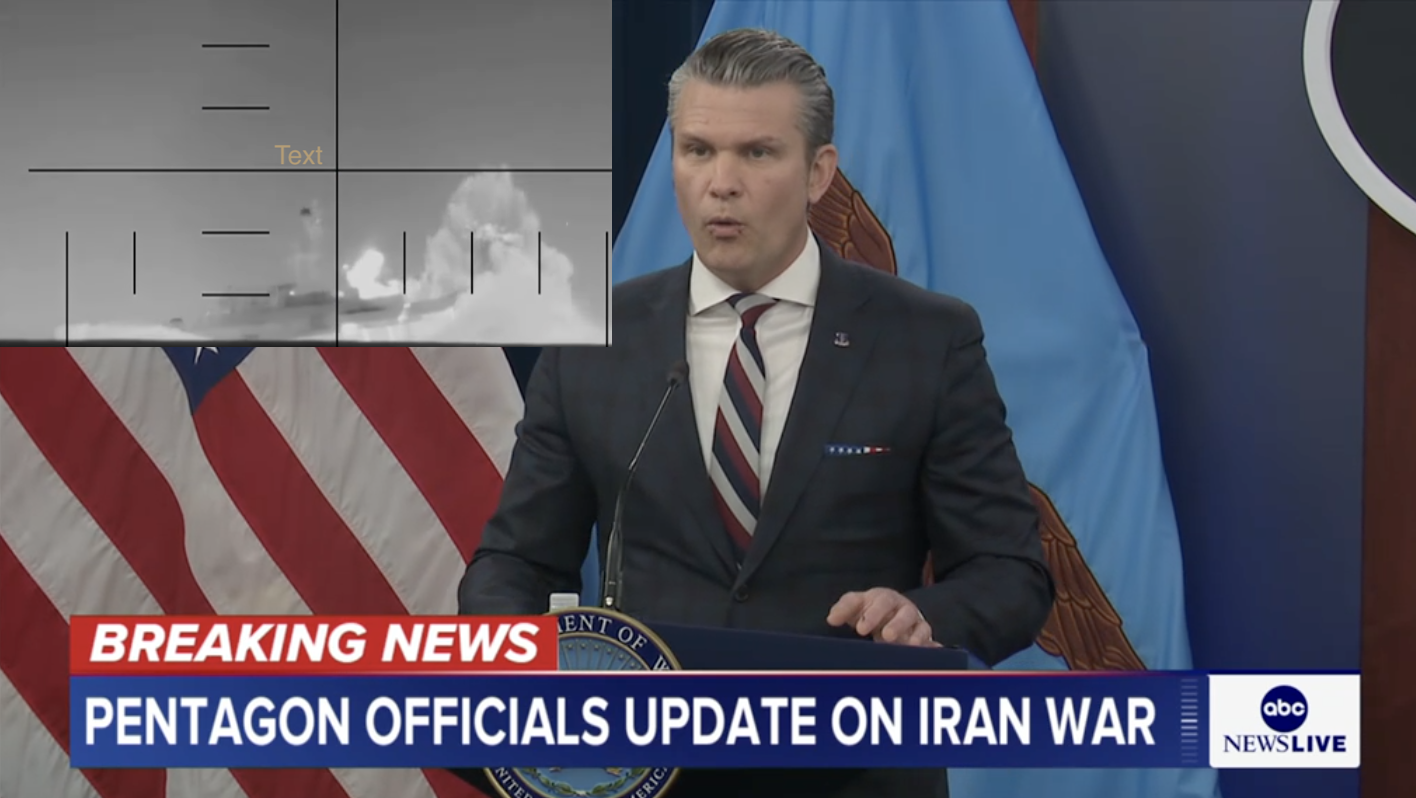
US Sub Strike Off Sri Lanka Resets Global Markets
A recent US submarine strike on an Iranian warship off Sri Lanka is fundamentally reshaping global market dynamics, signaling a significant escalation and broadening of the conflict. This event...
 Featured
Bitcoin Volatility: Macro Liquidity & Policy Drive BTC to $73,479
Bitcoin (BTC) price navigates a complex landscape influenced by macro liquidity, central bank policies, and the persistent inflation trend, impacting its trade near the sensitive $73,479 level.