
Dubai Airport Incident: DXB Economic Impact & Iran-US War Map
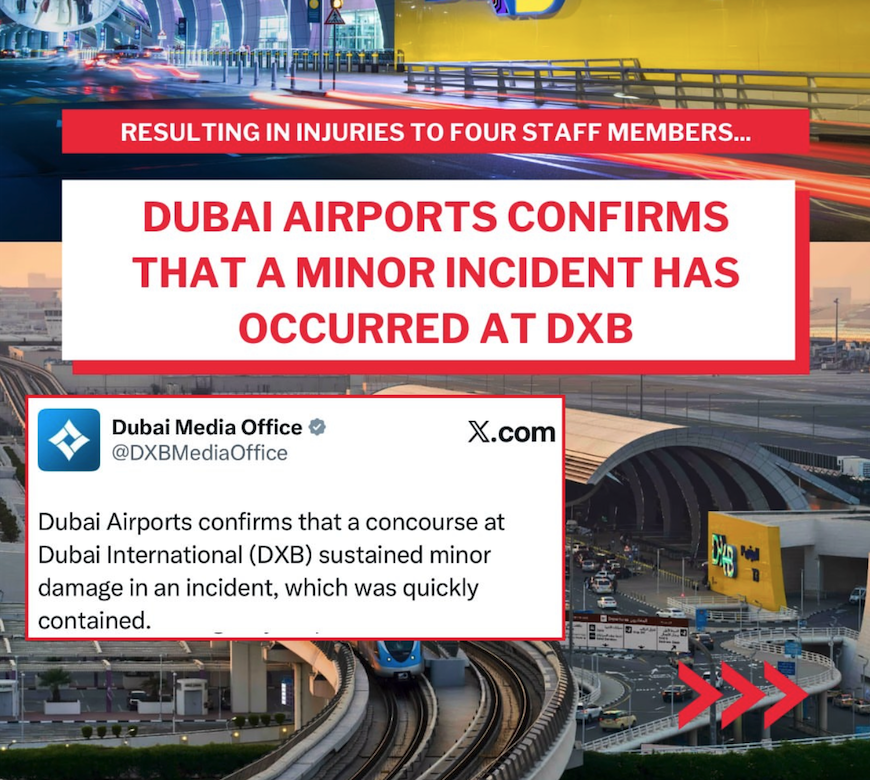
A recent 'minor incident' at Dubai International Airport (DXB) is signaling a significant shift in market perception for the region, extending the economic impact of the Iran-US conflict far...
A seemingly 'minor incident' at Dubai International Airport (DXB) holds profound implications for global markets, especially for assets tied to the Gulf region. While official reports downplay the damage, the very involvement of such a critical commercial hub in the ongoing Iran-US war narrative represents a significant re-evaluation of risk for airlines, tourism, banks, property, oil, gold, and broader Gulf markets.
Dubai's Confidence Premium Under Threat
The swift, almost understated, official response to the incident at Dubai International Airport (DXB) is precisely why market participants should adopt a cautious stance. DXB is more than just an airport; it’s a powerful symbol of Dubai’s economic stability, its open nature, and its strategic importance as a global transit and commercial hub. It underpins tourism, luxury consumption, finance, and cargo operations that connect Europe, Asia, Africa, and the Middle East. When the main airport of the Gulf's premier commercial hub enters the war narrative, even with 'minor damage' language, it changes the market threshold that truly matters. The financial world quickly recognizes that the city's commercial immunity premium is now being tested.
This event, far from being isolated, is a key indicator that the perimeter of the war around Gulf commerce is widening. The Iran-US connection means that conflict is no longer confined to military sites; it now touches vital commercial infrastructure. Airlines immediately face increased uncertainty around airspace, security, and insurance, impacting their operational costs and hedging strategies. Such shifts are critical as the economic model of hub aviation relies heavily on uninterrupted reliability. If air travel and related operations are now subject to geopolitical scrutiny, the market begins to question the stability that has long defined Dubai's appeal.
Repricing Across Key Economic Sectors
The implications ripple rapidly across multiple sectors. Dubai’s brand, built on luxury and safety, now faces a challenge where travelers might associate DXB and other key landmarks with war risk, leading to a repricing of its premium tourism model. Cargo and trade, essential components of Dubai's regional command center status, also come under pressure. A single incident, regardless of its 'minor' classification, prompts concerns about resilience, routing, and insurance in a region already grappling with threats to the Strait of Hormuz and shipping lanes. This cumulative risk, where events like the Dubai airport incident signal a broadening conflict map, directly impacts investment flows and operational costs across the board.
Market reactions to this evolving risk landscape are predictable in certain assets. Oil, for instance, responds acutely to any perceived widening of geopolitical grid risk within the Gulf. A DXB incident, by highlighting the vulnerability of the broader transport architecture, helps to embed a geopolitical premium in Crude Oil Trading, impacting both Brent crude and WTI price live. Gold price live also benefits directly from this uncertainty. As the commercial nervous system of the region appears less predictable, traders gravitate towards safe-haven assets. Gold becomes the clean, apolitical hedge, attracting demand when the reliability of commerce and movement is questioned.
Financial System and Real Estate: The Hidden Impacts
While currency pegs might obscure immediate shifts in Gulf currencies, the real repricing will manifest in sovereign spreads, bank funding costs, and the equity performance of confidence-sensitive local sectors. Dubai’s financial system, a bedrock of its economy dependent on banking, wealth management, and global capital flows, becomes highly sensitive to any perceived increase in geopolitical discount rates. Investors begin to factor in a higher risk premium for the region, which can affect bank multiples even before balance sheets show visible stress.
Real estate, a magnet for global wealth due to Dubai's reputation as an insulated platform in a volatile region, also faces re-evaluation. An incident at DXB, even if minor, chips away at this critical premium. The perception of ease of movement and the city's global brand are core drivers of high-end real estate demand. Should these weaken, valuations will adjust, irrespective of initial transaction data stability. Furthermore, the insurance sector will react by widening assumptions and increasing premiums across aviation, property, and regional commerce. This operational shift, often a direct consequence of incidents like the Dubai airport incident showing up in conflict news cycles, transforms 'minor' damage into significant underwriting costs.
Policy Signals and Market Dispersion
The UAE's recent decision to suspend permits for hobby aircraft and drones, occurring concurrently with the Dubai airport incident, serves as a clear policy signal. Such measures confirm an elevated security posture, and markets invariably notice when authorities respond with operational tightenings. This reinforces the narrative that the risk environment in the Gulf has become acutely serious.
Equities will likely exhibit increased dispersion, with sectors like energy and defense potentially outperforming, while airlines, airport-linked businesses, hotels, and regional banks face greater pressure. This divergence means broad market indices may not capture the full extent of this underlying stress, as global winners could mask localized weaknesses. Ultimately, credit markets serve as the truth detector. If spreads widen across key Dubai-linked assets, it indicates a market consensus that the city is being repriced as closer to, rather than comfortably insulated from, the ongoing conflict. The message is clear: the Iran-US war is no longer a distant geopolitical backdrop; it is directly testing Dubai's commercial immunity, suggesting that the term 'minor' may soon describe anything but the economic repricing underway.
Frequently Asked Questions
Related Analysis
 Featured
Iran War Day 7: Market Repriced for Open-Ended Conflict
Day 7 of the ongoing Mideast conflict marks a critical shift from short-term escalation to a prolonged, open-ended war, compelling markets to reprice across asset classes, from crude oil prices to...
 Featured
Bitcoin Freefall Warning: Is $40K Realistic Amid War-Liquidity Collision?
A viral warning suggests Bitcoin could freefall to $40K, a scenario driven by escalating geopolitical tensions, energy infrastructure disruptions, and tightening global liquidity. This detailed...
 Featured
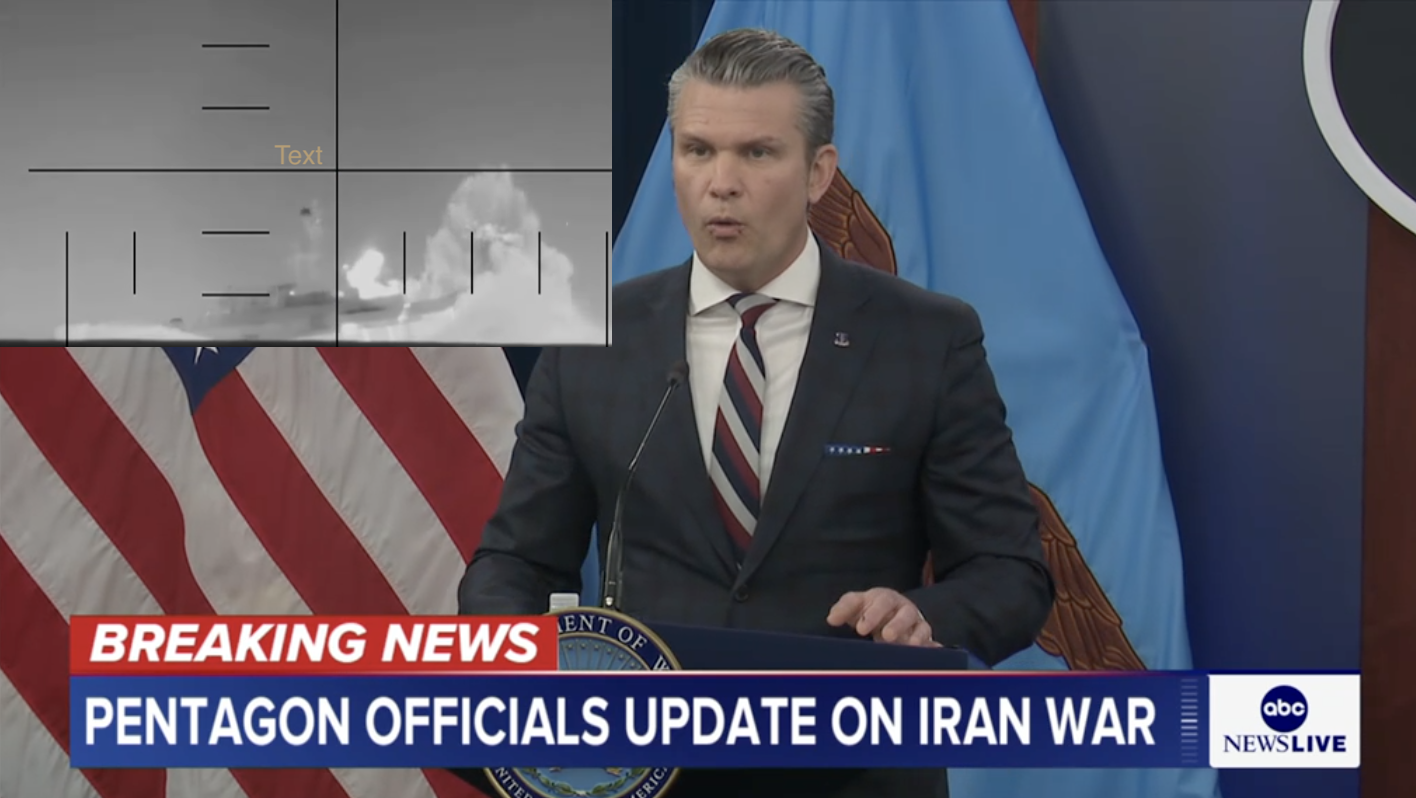
US Sub Strike Off Sri Lanka Resets Global Markets
A recent US submarine strike on an Iranian warship off Sri Lanka is fundamentally reshaping global market dynamics, signaling a significant escalation and broadening of the conflict. This event...
 Featured
Bitcoin Volatility: Macro Liquidity & Policy Drive BTC to $73,479
Bitcoin (BTC) price navigates a complex landscape influenced by macro liquidity, central bank policies, and the persistent inflation trend, impacting its trade near the sensitive $73,479 level.