
Europe-Asia Travel Disruption: Iran-US War Rewrites Global Logistics

Heightened geopolitical tensions in the Middle East, fueled by the Iran-US conflict and the confirmed death of Ayatollah Ali Khamenei, are causing significant disruption to global travel, cargo,...
The recent escalation of hostilities in the Middle East, particularly the Iran-US conflict, has transformed what began as headline risk into a pervasive infrastructure crisis, profoundly impacting global travel, cargo, and business schedules. The confirmed death of Ayatollah Ali Khamenei has added another layer of uncertainty, amplifying the market's re-evaluation of regional stability. With major hubs like Dubai, Abu Dhabi, and Doha facing severe aviation disruption and shipping through the Strait of Hormuz repricing war risk, the interconnected global economy is experiencing significant reverberations.
Routes Severed: The Global Impact of Gulf Disruptions
The closure of airspace and damage to airport infrastructure in key Gulf cities is not merely a regional inconvenience. These hubs serve as vital arteries connecting Europe, Asia, Africa, and the Americas. Consequently, travelers from Bali to London and cargo shipments worldwide are already feeling the pinch. The initial US-Israeli strike wave on Iran, followed by retaliatory actions, quickly shifted market attention from geopolitical sparring to tangible operational risks. The OPEC+ agreement to increase oil output, while addressing supply concerns, does little to alleviate the fundamental problem of blocked transportation routes, confirming that extra barrels do not solve a blocked route.
The Immediate Aftermath: From Headlines to Physical Impact
In the first 48 hours of the intensified conflict, the operational blueprint of the crisis became starkly clear. Joint U.S.-Israeli strikes extended beyond symbolic targets in Iran, prompting retaliatory actions across Israel and the Gulf. Major air hubs were shut or restricted, commercial airspace thinned, and Gulf commercial infrastructure, including Dubai International Airport, sustained minor damage. The Strait of Hormuz, a critical chokepoint for global energy, saw sharply reduced tanker traffic and heightened war risk premiums from insurers. This concrete impact means the market is past debating the reality of the war; the prevailing discussion now centers on the commercial blast radius of the conflict.
Why Global Markets Are Deeply Concerned
Financial markets are ill-equipped to absorb simultaneous shocks to movement, energy, confidence, and diplomacy without a significant repricing of assets. The current Middle East crisis hits all four vectors. Airport closures signify impaired movement. Slowing tanker traffic points to energy supply risks. Damage to major cities like Dubai and Abu Dhabi erodes confidence. A hostile UN Security Council session underscores a lack of immediate diplomatic resolution. This confluence of factors elevates the current events far beyond a typical weekend geopolitical scare. Investors are keenly watching the crude oil price live, as it serves as a primary indicator of market anxiety and future inflation risks.
Cross-Asset Repricing: A Detailed Market Map
Shipping, Freight, and Insurance: The Hidden Accelerators
The ripple effects on shipping and insurance are particularly potent. As major carriers reroute and insurers reprice Gulf war risk, the cost of moving goods escalates, often ahead of explicit supply chain disruption headlines. A prolonged conflict, forcing grounded aircraft and cautious shipping, could unleash a dual logistics shock that directly feeds into global inflation, extended delivery times, and eroded business confidence. The gold price forecast continues to attract attention as a barometer of market fear and uncertainty.
Equities and Sector Rotation: Winners and Losers Emerge
The equity landscape will see divergent performances. Sectors such as energy, defense, and certain commodity-linked companies may outperform. Conversely, airlines, tourism, transport, consumer cyclicals, and duration-sensitive growth stocks are likely to underperform. The deeper the crisis cuts into airports, ports, hotels, and financing conditions, the more the market shifts from mere sector rotation to widespread multiple compression across broader indices like the S&P 500.
Oil and Commodities: The Primary Transmission Channel
Oil remains the most immediate and impactful transmission mechanism. Brent and WTI are no longer trading solely on inventory and demand. Instead, the focus is on the uninterrupted functionality of the Gulf export infrastructure, the commercial viability of the Strait of Hormuz, and the willingness of insurers and shipowners to operate in the region. This dynamic means prompt crude, refined products, and freight-linked fuel markets are poised for more significant moves than many casual observers anticipate, providing crucial context for the global crude oil price live.
Forex and Global Liquidity: Layered Responses
Forex markets reflect the shock in layers. The initial reaction is typically a risk-off move, favoring traditional safe-haven currencies such as the U.S. dollar, Swiss franc, and Japanese yen. Subsequently, a more selective repricing occurs, where oil-linked currencies might benefit, while energy importers and emerging market currencies face intense pressure. In the Gulf, currency pegs can mask spot market signals, but the true repricing manifests in sovereign spreads, Credit Default Swaps (CDS), equities, and overall funding conditions. For instance, the USDCAD outlook is closely watched due to Canada's role as a major oil exporter.
Credit and Funding: The Ultimate Truth Detector
Credit markets serve as the ultimate truth detector. If oil prices surge but credit spreads remain relatively stable, it suggests traders perceive the event as a severe but manageable geopolitical shock. However, if transport, property, banking, and emerging market credit spreads widen significantly, the market is signaling a deeper concern—that the crisis has evolved into a fundamental financing and confidence event, affecting the ability of institutions to access capital.
Gold and Safe Havens: The Premier Hedge
Gold stands out as the cleanest liquid hedge in this environment, simultaneously capturing war risk, policy uncertainty, and institutional distrust. When geopolitical maps become opaque and traditional off-ramps disappear, gold transitions from being a mere speculative asset to a core portfolio response. While silver can follow gold's trajectory, Gold price forecast remains the purer fear asset when the crisis is primarily geopolitical rather than cyclical. Investors continuously monitor the XAUUSD price live for immediate insights into market sentiment.
Rates and the Central Bank Dilemma
The impact on interest rates presents a challenging dilemma for central banks. Higher oil prices fuel inflationary pressures, while closed airspaces, reduced travel, and tighter financial conditions contribute to slower economic growth. This combination creates volatile push-pull dynamics in sovereign bond markets, complicating any narrative of straightforward monetary easing. The bond market will simultaneously price in both fear and inflation, making yield volatility more indicative than initial directional moves.
Crypto and 24/7 Macro Trading
Cryptocurrencies, particularly Bitcoin, often react to such events as a form of modern macro trading. The initial response is typically de-risking, reduced leverage, and a stronger U.S. dollar. However, once the initial wave of liquidations subsides, the debate begins: Is Bitcoin a high-beta risk asset or a legitimate geopolitical hedge against state and payment system fragmentation? This ongoing debate explains why crypto markets can experience sharp initial crashes followed by rapid rebounds, sometimes within the same weekend. Traders keep a close eye on the BTCUSD price live for these dynamic shifts.
The Gulf Confidence Trade: A Commercial Frontline
For the Gulf region, the core issue is confidence. Cities like Dubai, Abu Dhabi, Doha, Kuwait City, Bahrain, and Riyadh are built upon a commercial model that thrives on the seamless flow of people, money, and goods. When airports close, ports slow, and iconic infrastructure appears in war reportage, the region ceases to be perceived as a protected service hub, transforming instead into a commercial frontline.
What to Watch Next for Traders
Traders must closely monitor long-haul rerouting patterns, cargo delays, and the reactions of non-Gulf airlines reliant on Gulf corridors, as these will signal the broadening economic impact. Specifically, it's crucial to watch four key indicators: whether airspace closures expand or diminish, whether Strait of Hormuz traffic normalizes or deteriorates, whether oil prices sustain their geopolitical risk premium after the initial shock, and whether credit spreads confirm the market move rather than dismissing it. These signals will determine if the current situation remains a violent but contained scare or evolves into a multi-week regime shift for global markets.
Bottom Line: A Cross-Asset Repricing Event
The most significant error in a crisis of this magnitude is to oversimplify it into a single-asset story. This is not just an oil story, a gold story, or a regional Gulf story. It is a complex, cross-asset repricing event where the maps of airspace, shipping, confidence, and policy are all simultaneously in flux. Traders who accurately interpret these interconnected movements will be better positioned than those who reduce the entire war to a single price chart. The EURUSD price live, for example, will be particularly sensitive to these global shifts, reflecting broader sentiment towards global risk and currency strength.
Frequently Asked Questions
Related Analysis
 Featured
Iran War Day 7: Market Repriced for Open-Ended Conflict
Day 7 of the ongoing Mideast conflict marks a critical shift from short-term escalation to a prolonged, open-ended war, compelling markets to reprice across asset classes, from crude oil prices to...
 Featured
Bitcoin Freefall Warning: Is $40K Realistic Amid War-Liquidity Collision?
A viral warning suggests Bitcoin could freefall to $40K, a scenario driven by escalating geopolitical tensions, energy infrastructure disruptions, and tightening global liquidity. This detailed...
 Featured
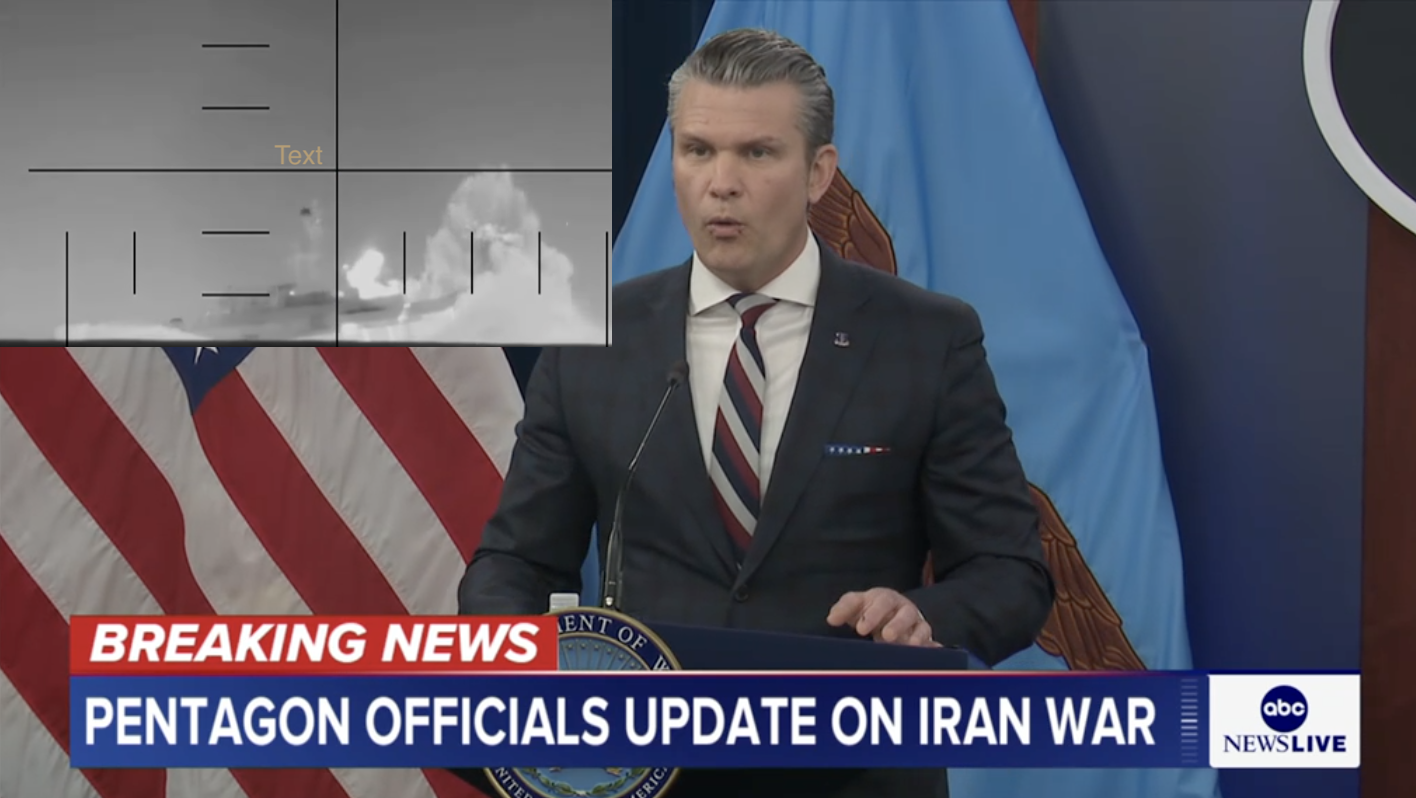
US Sub Strike Off Sri Lanka Resets Global Markets
A recent US submarine strike on an Iranian warship off Sri Lanka is fundamentally reshaping global market dynamics, signaling a significant escalation and broadening of the conflict. This event...
 Featured
Bitcoin Volatility: Macro Liquidity & Policy Drive BTC to $73,479
Bitcoin (BTC) price navigates a complex landscape influenced by macro liquidity, central bank policies, and the persistent inflation trend, impacting its trade near the sensitive $73,479 level.