
Gulf Markets Repricing: Beyond Headlines to Infrastructure Risk

Gulf markets are undergoing a significant repricing following US-Israeli strikes on Iran and subsequent retaliation. Beyond initial shocks to oil and gold, investors are now grappling with...
The Middle East is experiencing a profound shift in market dynamics as the aftermath of recent US-Israeli strikes on Iran and the subsequent retaliatory cycle unfolds. What initially appeared as headline-driven volatility has quickly morphed into a more fundamental repricing of infrastructure risk across Gulf markets. The unfortunate confirmation from Iranian state media regarding the death of Ayatollah Ali Khamenei adds another layer of geopolitical uncertainty, further impacting market sentiment.
Gulf Markets Repricing: From Headline to Infrastructure Risk
The immediate market reactions were telling: Saudi stocks experienced a sharp initial slump, though they managed to trim some losses later, while Kuwait opted to suspend trading entirely. This bifurcation into 'energy winners' and 'everything else' clearly indicates that markets are engaged in sophisticated probability assessment, rather than mere emotional knee-jerk reactions. This current repricing is no longer just about the immediate geopolitical scare; it's about the tangible and potentially prolonged disruption to trade, funding, tourism, and movement within a region intrinsically linked to global commerce.
The Evolving Crisis: From Symbolism to Commercial Blast Radius
The initial forty-eight hours of the crisis have undeniably established its severe trajectory. Joint US-Israeli strikes transcended symbolic targets, prompting widespread Iranian retaliation across Israel and the Gulf. A direct consequence has been the closure or severe restriction of major air hubs, including Dubai, Abu Dhabi, and Doha. Dubai International notably sustained minor damage and several staff injuries. Crucially, shipping through the Strait of Hormuz has been significantly disrupted, with a sharp reduction in tanker traffic and a dramatic repricing of war risk by insurers. While OPEC+ has agreed to increase output by 206,000 barrels per day in April, this quantity cannot mitigate the impact of a blocked or highly risky transit route. The overarching fear for Gulf markets is not a single missile strike, but the devastating prospect of enduring commercial disruption that could fundamentally alter the region's service-heavy and capital-intensive sectors, applying a different, higher discount rate to future prospects.
Why Markets Are So Concerned
Financial markets are inherently ill-equipped to absorb simultaneous shocks to movement, energy supply, investor confidence, and diplomatic stability without a significant repricing event. This current conflict assaults all four pillars. Closed airports directly impair movement. Slowed tanker traffic undeniably puts energy supplies at risk. The damage witnessed in key commercial centers like Dubai and Abu Dhabi unequivocally tests confidence. Coupled with a hostile UN Security Council session that offers no immediate diplomatic off-ramp, this combination elevates the event far beyond a typical weekend geopolitical headline.
Cross-Asset Impact: A Detailed Map
Equities and Sector Rotation
The equity landscape is far from uniform. Energy, defense, and select commodity-linked stocks are likely to outperform, driven by supply fears and increased demand in a conflict environment. Conversely, airlines, tourism, transport, consumer cyclicals, and duration-sensitive growth sectors are poised for significant underperformance. The deeper the crisis affects core commercial infrastructure—airports, ports, hotels, and financing conditions—the more the market will shift from mere sector rotation to genuine multiple compression across broader indices, reflecting diminished future earnings potential. Saudi stocks plunge iran war, and Kuwait halts trading, demonstrating this immediate sectoral stress.
The Gulf Confidence Trade
At its core, the Gulf's market narrative is built on confidence. Cities like Dubai, Abu Dhabi, Doha, Kuwait City, Bahrain, and Riyadh operate under a commercial model that thrives on the frictionless flow of people, capital, and goods. Once airports close, ports experience delays, and iconic infrastructure appears in war footage, the region’s perception fundamentally changes. It ceases to trade as a protected service hub and instead becomes priced as a frontline commercial theatre, which is why UAE markets war impact is so crucial to monitor.
Oil and Commodities
Oil remains the primary transmission channel for this geopolitical shock. Brent crude and WTI are no longer trading solely on typical inventory and demand assumptions. Now, the key drivers are the uninterrupted functionality of the Gulf’s export infrastructure, the commercial viability of Hormuz, and the critical decisions of insurers and shipowners regarding the inherent risks of the route. This means prompt crude, refined products, and freight-linked fuel markets are likely to exhibit exaggerated moves, catching many casual observers off guard. The oil price iran war correlation is now front and center, pushing prices higher. Crude oil price live is experiencing significant volatility.
Credit and Funding
Credit markets serve as the ultimate truth teller. If oil prices surge but credit spreads remain relatively stable, it suggests traders perceive the situation as severe but manageable. However, if transport, property, banking, and emerging-market spreads widen materially, the market is signaling that the crisis has expanded beyond headlines, evolving into a significant financing and confidence event for the global economy. This is what gulf markets today are signalling.
Forex and Global Liquidity
Forex markets reflect the shock in distinct layers. The initial response is a classic risk-off move, favoring the US Dollar, Swiss Franc, and often the Japanese Yen. The second phase involves a more selective adjustment: oil-linked currencies may benefit from higher crude prices, while energy-dependent importers and fragile emerging-market currencies face substantial pressure. In the Gulf, while pegged currencies might mask spot market signals, the true repricing manifests in sovereign spreads, Credit Default Swaps (CDS), equities, and broader funding conditions. We might see an impact on euro dollar live rates as global sentiment shifts. The Iran US war news today is directly influencing currency valuations. We are closely monitoring the EURUSD price live. The EUR/USD price live shows the immediate reactions. The EUR USD price is highly sensitive. The EUR USD chart live, and EUR USD live chart, are showing clear risk aversion. The EUR USD realtime rates are fluctuating rapidly. We are also watching EUR to USD live rate movements.
Gold and Safe Havens
Gold is the purest and most liquid hedge in this environment. It encapsulates concerns about war, policy uncertainty, and institutional distrust within a single asset. When geopolitical maps become ambiguous and clear off-ramps are scarce, gold transitions from a speculative bet to a critical portfolio response. While silver may follow suit, gold is the quintessential 'fear asset' when the crisis is primarily geopolitical and only secondarily cyclical. Gold price war is a direct response to escalating tensions.
Rates and the Central Bank Dilemma
The impact on interest rates poses a significant macro challenge. Elevated oil prices will lead to inflationary pressures, while closed airspaces, reduced travel, and tighter financial conditions will curb economic growth. This combination creates intense push-pull dynamics in sovereign bond markets, complicating any clean easing narrative from central banks. Bond markets will simultaneously price in both fear and inflation, making yield volatility more critical than initial directional movements in the short term.
Shipping, Freight, and Insurance
Shipping and insurance act as hidden accelerants in such crises. Once major carriers alter routes, delay bookings, or seek alternative ports, the cost of moving goods skyrockets long before supply chain disruptions hit headlines. A protracted Gulf conflict with grounded aircraft and cautious shipping can create a dual-channel logistics shock, feeding directly into inflation, extended delivery times, and eroding business confidence. Strait of Hormuz latest updates are critical here.
Crypto and 24/7 Macro Trading
Crypto markets react to such events with characteristic macro volatility. The initial move is typically de-risking, reduced leverage, and a stronger US Dollar. However, after the initial liquidation wave subsides, a key debate emerges: Is Bitcoin behaving like a high-beta risk asset or a geopolitical hedge against state-level fragmentation and payment system vulnerabilities? This ongoing debate explains why crypto can experience rapid crashes followed by swift rebounds, sometimes within the same weekend. Bitcoin price live shows this pattern.
What to Watch Next
Traders should closely monitor whether regional banks, airlines, property developers, and tourism-related companies continue to underperform, even if crude oil prices remain elevated. Persistent weakness in these sectors indicates that the market is pricing in a fundamental business-model shock rather than just a transient geopolitical scare. For the immediate future, four key indicators are paramount: whether airspace closures expand or contract, whether Hormuz traffic normalizes or further deteriorates, whether the war premium in oil prices is sustained after the initial shock, and most importantly, whether credit spreads confirm the market's anxiousness or dismiss it. These signals will determine if this period of heightened tension remains a severe scare or evolves into a multi-week regime shift.
Bottom Line
The most critical error during a crisis of this magnitude is to oversimplify it into a single-asset narrative. This is not exclusively an oil story, nor solely a gold story, nor merely a Gulf-centric event. It is a comprehensive cross-asset repricing event where the airspace map, shipping routes, confidence levels, and policy responses are all in dynamic flux. Traders who accurately interpret this complex interplay will significantly outperform those who reduce the entire war to a single price chart.
Frequently Asked Questions
Related Analysis
 Featured
Iran War Day 7: Market Repriced for Open-Ended Conflict
Day 7 of the ongoing Mideast conflict marks a critical shift from short-term escalation to a prolonged, open-ended war, compelling markets to reprice across asset classes, from crude oil prices to...
 Featured
Bitcoin Freefall Warning: Is $40K Realistic Amid War-Liquidity Collision?
A viral warning suggests Bitcoin could freefall to $40K, a scenario driven by escalating geopolitical tensions, energy infrastructure disruptions, and tightening global liquidity. This detailed...
 Featured
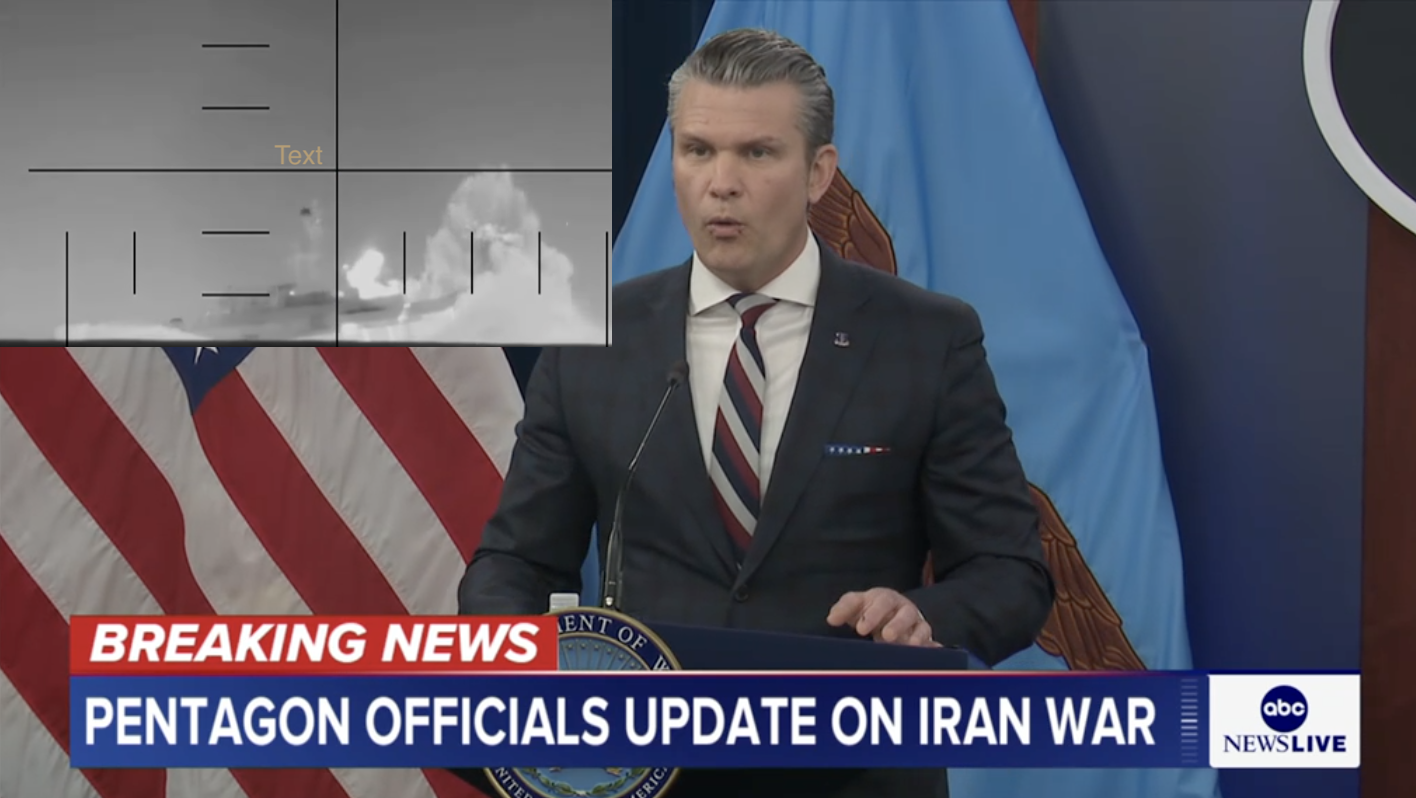
US Sub Strike Off Sri Lanka Resets Global Markets
A recent US submarine strike on an Iranian warship off Sri Lanka is fundamentally reshaping global market dynamics, signaling a significant escalation and broadening of the conflict. This event...
 Featured
Bitcoin Volatility: Macro Liquidity & Policy Drive BTC to $73,479
Bitcoin (BTC) price navigates a complex landscape influenced by macro liquidity, central bank policies, and the persistent inflation trend, impacting its trade near the sensitive $73,479 level.