
Iran UN Showdown: Why Diplomatic Breakdown Fuels Market Pressure
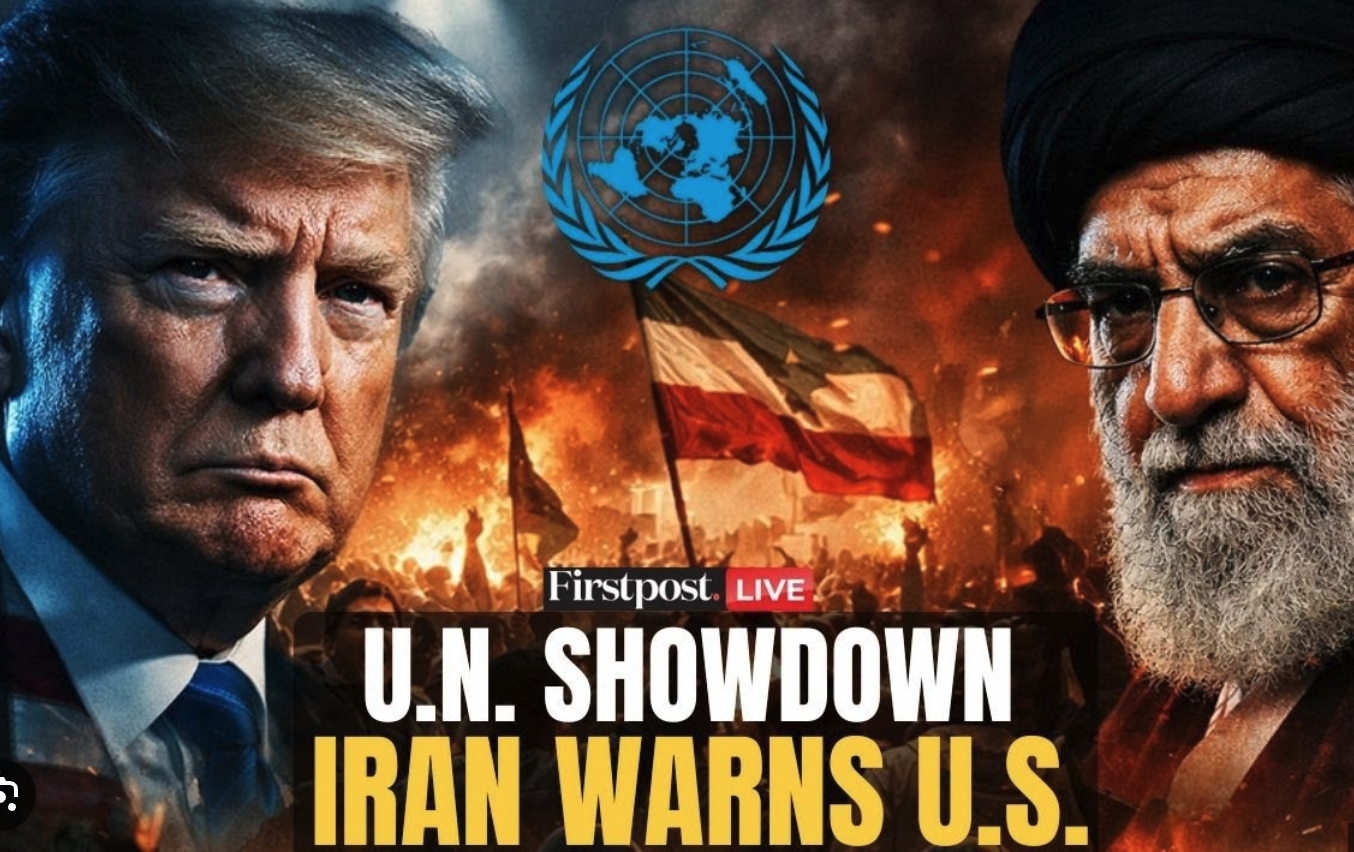
A recent contentious exchange at the United Nations between Iran and the U.S. signals a significant shift from military to diplomatic escalation, leading markets to price in a thinner time cushion...
Recent diplomatic exchanges at the United Nations between Iran's representative and U.S. Congressman Mike Waltz have transcended mere diplomatic theatre, signaling a critical shift in how markets perceive the ongoing geopolitical tensions. This public hardening of rhetoric, far from the battlefield, is now being read by investors as a breakdown in the diplomatic off-ramp, with profound implications across various asset classes.
While often seen as a stage for formal discussions, the UN has seemingly transformed into another front in the escalating Iran-US confrontation. The pointed remarks, devoid of any attempt to lower the temperature, communicate a clear message to markets: the channel for de-escalation is narrowing. This is not just about military actions; it's about the erosion of trust in diplomatic solutions, pushing markets to re-evaluate the risk premium associated with the Middle East conflict.
The Market Impact of Diplomatic Hardening
When the diplomatic arena itself begins to mirror military confrontation, the market's fundamental assumptions about crisis containment shift. Investors typically price in room for backchannel negotiations or a frozen conflict line, but the recent UN exchange suggests these buffers are thinning. This directly impacts how a range of assets are perceived and priced.
Oil: Geopolitical Premium Thickens
The crude does not only rally on actual supply disruptions; it also reacts significantly to the perceived probability of restraint falling. A Security Council session that concludes with more confrontation than a clear off-ramp is inherently bullish for the geopolitical premium. It suggests that the threshold for further military action could be lower, affecting critical transit points like the Strait of Hormuz, tanker routing, and shipping insurance costs. Both Brent Crude and WTI price this increased probability, often well before any physical barrels are lost. This ongoing tension means the potential for volatility in crude oil trading remains high, making it crucial for traders to monitor geopolitical developments closely.
Gold: A Haven in Institutional Uncertainty
Gold's appeal as a safe-haven asset is amplified when institutions that are meant to stabilize conflict instead become stages for amplification. The hostile UN exchange communicates precisely this: the international system designed to absorb such conflicts appears to be magnifying them. Gold does not require formal escalation to thrive; it benefits from widespread uncertainty and a perceived lack of institutional stabilization, making the gold price war narrative a powerful driver for its upward trajectory.
Forex: Dollar Strength and Emerging Market Vulnerability
In this environment, safe-haven currencies like the U.S. dollar, Swiss franc, and Japanese yen tend to maintain a firm tone. However, the interesting CHFJPY Volatility story extends beyond initial safe-haven flows. As markets conclude that diplomacy is hardening, emerging-market currencies, particularly those with weak external balances or high energy import exposure, come under increased pressure. High-carry FX becomes more fragile, and while Gulf pegs might mask local spot moves, real repricing emerges in sovereign spreads, CDS, and funding costs. This environment underscores the importance of a robust forex war analysis to navigate shifting currency dynamics.
Equities: Layered Reactions and Inflationary Risks
Equity markets exhibit layered reactions. Initially, a tougher diplomatic tone might support energy and defense sectors. However, it simultaneously weighs on airlines, travel, logistics, and any sector reliant on smooth regional movement or lower fuel costs. More broadly, the absence of a clear diplomatic off-ramp, alongside potentially elevated energy prices, exacerbates the growth-versus-inflation conflict. A prolonged crisis with no visible diplomatic resolution threatens to keep inflation pressure alive, even as global confidence weakens, impacting the broader stock market war news narrative. This dynamic puts a higher premium on understanding the nuanced interplay between geopolitics and economic fundamentals.
Shipping, Insurance, and Aviation: Immediate Real-Economy Channels
The UN exchange's significance extends directly to the real economy through sectors like shipping, insurance, and aviation. Verbal escalation at such a forum can influence commercial behavior even without new military actions. Shipowners, insurers, freight operators, and commodity traders begin to factor in a higher likelihood of incidents, altering route economics, war-risk premiums, and contingency planning. This diplomatic failure can rapidly translate into higher freight costs and inflationary pressures. Similarly, aviation is exposed; the harder it becomes to assume regional stability, the more airlines adjust route planning, fuel hedging, and insurance costs. Airports and hubs, such as DXB, face increased risk premiums, highlighting the interconnectedness of diplomatic rhetoric and physical infrastructure.
The Systemic Risk of Broken Diplomacy
The biggest mistake investors can make is to treat the UN as detached from the market story. In calmer times, diplomatic remarks might be noise. However, in a live conflict involving critical oil supplies, strategic ports, bustling airports, and Gulf economic confidence, public exchanges at the UN become powerful transmission mechanisms. They signal whether diplomacy is working to cool conflict or merely translating battlefield hostility into another forum.
The current signal suggests the latter. This means markets should anticipate continued support for oil due to a thicker geopolitical premium, for gold due to institutional and war uncertainty, and for safe-haven currencies like the dollar. Conversely, airlines, tourism, transport, and confidence-sensitive Gulf sectors remain vulnerable, while shipping and insurance face sustained pressure. Risk assets, in general, confront a more challenging macroeconomic backdrop if the absence of a credible diplomatic off-ramp keeps energy prices elevated.
Ultimately, markets can endure adverse headlines if there is a belief in a path to containment. But when even the UN, an institution designed for diplomatic resolution, appears to be just another front in the war, that belief becomes exceedingly difficult to sustain. This creates a deeply unsettling environment for global financial markets, impacting the EURUSD price live and other major currency pairs as investors seek security.
Frequently Asked Questions
Related Analysis
 Featured
Iran War Day 7: Market Repriced for Open-Ended Conflict
Day 7 of the ongoing Mideast conflict marks a critical shift from short-term escalation to a prolonged, open-ended war, compelling markets to reprice across asset classes, from crude oil prices to...
 Featured
Bitcoin Freefall Warning: Is $40K Realistic Amid War-Liquidity Collision?
A viral warning suggests Bitcoin could freefall to $40K, a scenario driven by escalating geopolitical tensions, energy infrastructure disruptions, and tightening global liquidity. This detailed...
 Featured
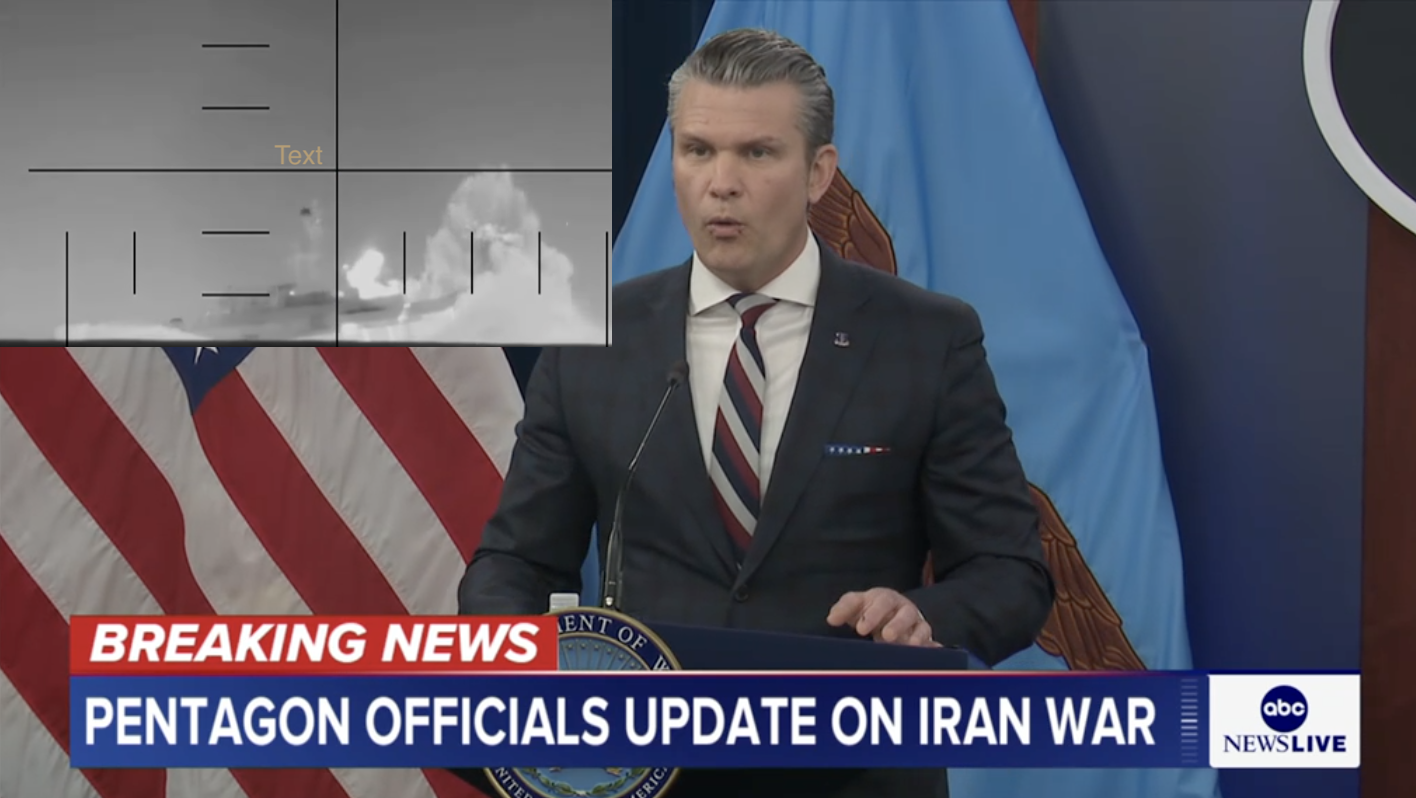
US Sub Strike Off Sri Lanka Resets Global Markets
A recent US submarine strike on an Iranian warship off Sri Lanka is fundamentally reshaping global market dynamics, signaling a significant escalation and broadening of the conflict. This event...
 Featured
Bitcoin Volatility: Macro Liquidity & Policy Drive BTC to $73,479
Bitcoin (BTC) price navigates a complex landscape influenced by macro liquidity, central bank policies, and the persistent inflation trend, impacting its trade near the sensitive $73,479 level.