
Unpacking Market Volatility: Why Skew & Geopolitical Risk Persist

Despite relative calm in spot markets, hedging demand remains sticky as geopolitical and micro-level risks keep volatility elevated across asset classes, especially with the inflation trend still...
In today's dynamic market environment, where central banks signal stable policy yet event risks loom large, market volatility, particularly the "skew" in implied volatility, is flashing warnings that the underlying risks haven't receded. This persistent demand for hedging points to deeper concerns among institutional players, even as equity and rates markets appear relatively settled on the surface. Understanding these nuances is crucial for navigating the cross-asset implications.
The Persistent Demand for Hedging
Market participants are observing a curious phenomenon: while some spot markets exhibit a semblance of calm, volatility remains elevated. This is largely driven by a confluence of macro catalysts, notably the inflation trend still driving Europe rates. This environment creates a classic recipe for sticky skew in options markets and unstable cross-asset correlations, meaning that even a stable spot price doesn't eliminate the demand for hedging. Europe Macro: Disinflation's Shadow & Sticky Core Inflation highlights the specific regional pressures impacting this trend. Downside insurance via put options remains in high demand, especially in large-cap tech, as speculative themes like BOTZ Is A Robotics ETF That Quietly Bets Big on AI Chips. transform into balance-sheet considerations. This underlying anxiety keeps equity vol elevated, irrespective of immediate price stability.
Equity and Rates Volatility Dynamics
Equity volatility sees skews heavily bid in large-capitalization technology stocks, directly reflecting the ongoing AI funding debate and its implications for corporate balance sheets. This dynamic necessitates continuous demand for downside protection, even if the spot market finds temporary stability. Meanwhile, in the rates market, front-end gamma is buoyed by the continued euro inflation follow-through and a packed U.S. data calendar. The calmer back-end, however, remains susceptible to sudden jolts from energy-related headlines. This divergence underscores the market's sensitivity to both micro and macro developments.
FX Volatility and Cross-Asset Linkages
FX volatility, exemplified by EURUSD implieds ticking up after recent inflation data, suggests that while the spot move might appear contained, the distribution of potential outcomes is significantly wider. Similarly, AUD crosses show reactive price action post-RBA decisions. The current correlation regime is notably shifting from growth-led to policy-led, which typically elevates cross-asset correlations and diminishes the effectiveness of diversification strategies. This shift means that a vol bid can effectively tighten financial conditions without requiring an explicit interest rate adjustment. For instance, the NZDUSD outlook: navigating volatility and geopolitical shocks remains a key theme for currency traders.
Geopolitical Risks and Market Microstructure
With Crude Oil Price & Geopolitical Risk: Navigating Energy Market Volatility in the background, specifically the Oil Rally Builds as ‘Staggering’ Middle East War Jolts Energy., dealer caution is heightened, leading to thinner market depth. This can result in significant price gaps when major headlines break. While current pricing implies a stable policy path coupled with elevated event risk, the payoff map is skewed. This means that while FX vol is often considered a reliable hedge, it becomes even more critical in such an environment. The interplay between BOTZ Is A Robotics ETF That Quietly Bets Big on AI Chips. and the inflation trend still driving Europe rates further tightens the link between policy and real assets. In a volatility context, equity vol and rates vol typically react first, with FX vol then confirming the sustained market move.
Execution and Risk Management
Given the elevated event risk and thin liquidity, a scaled entry and exit strategy is advisable over chasing momentum. This approach mitigates the impact of sudden price moves. From a risk management perspective, the trade-off is between carry (earning interest rate differentials) and convexity (the sensitivity of an asset's price to interest rate changes). The current vol surface pricing suggests a stable policy with heightened event risk, yet the potential for asymmetric payoffs stemming from volatility spikes cannot be ignored. Maintaining optionality in the hedge book, perhaps through a small convex position, allows portfolios to absorb unexpected policy surprises or geopolitical shifts. This tactic helps if correlations suddenly increase, protecting against rapid, widespread market movements.
Outlook: Understanding the 'Skew factor'
The anchor for much of the market’s current sentiment is the narrative around technological advancement, exemplified by BOTZ Is A Robotics ETF That Quietly Bets Big on AI Chips., but the real catalyst driving hedging demand is the inflation trend still driving Europe rates. This combination pushes equity vol in a distinct direction and forces rates vol to continuously re-evaluate. FX vol, therefore, acts as the ultimate arbiter, reflecting whether overall risk appetite can withstand these pressures. Pricing mechanisms currently discount a stable policy path alongside elevated event risk. However, the omnipresent risk of Oil Rally Builds as ‘Staggering’ Middle East War Jolts Energy. looms large. Should this risk materialize, correlations across asset classes will tighten significantly, and equity vol would likely outperform rates vol on a risk-adjusted basis. Therefore, implementing a balanced exposure with hedges that benefit when FX vol moves faster than spot is a prudent risk management strategy. Ultimately, even if spot markets seem calm, remaining disciplined with active hedges is paramount as long as geopolitical tensions and inflationary pressures persist, demonstrating that a calm surface does not equate to calmer tails.
Frequently Asked Questions
Related Analysis
 Featured
Iran War Day 7: Market Repriced for Open-Ended Conflict
Day 7 of the ongoing Mideast conflict marks a critical shift from short-term escalation to a prolonged, open-ended war, compelling markets to reprice across asset classes, from crude oil prices to...
 Featured
Bitcoin Freefall Warning: Is $40K Realistic Amid War-Liquidity Collision?
A viral warning suggests Bitcoin could freefall to $40K, a scenario driven by escalating geopolitical tensions, energy infrastructure disruptions, and tightening global liquidity. This detailed...
 Featured
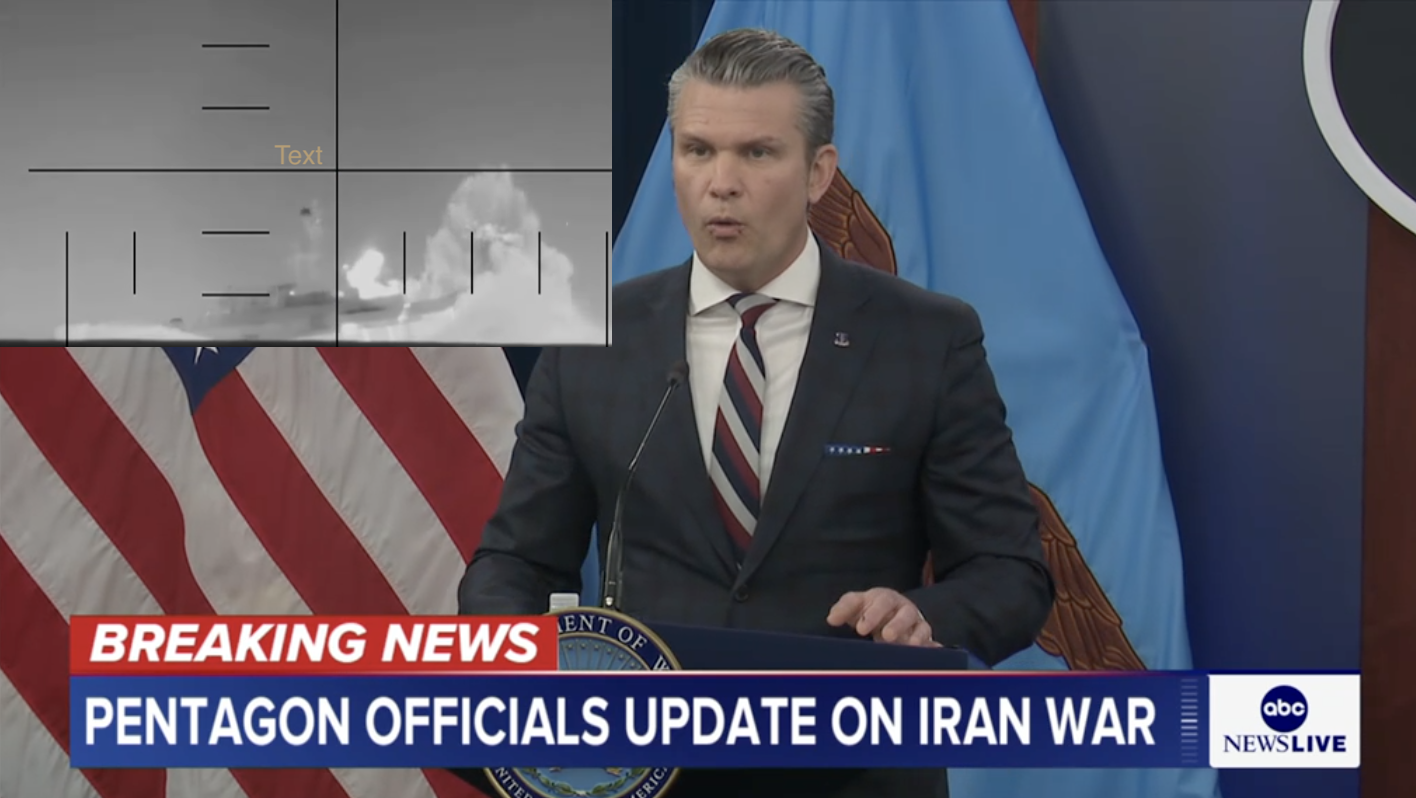
US Sub Strike Off Sri Lanka Resets Global Markets
A recent US submarine strike on an Iranian warship off Sri Lanka is fundamentally reshaping global market dynamics, signaling a significant escalation and broadening of the conflict. This event...
 Featured
Bitcoin Volatility: Macro Liquidity & Policy Drive BTC to $73,479
Bitcoin (BTC) price navigates a complex landscape influenced by macro liquidity, central bank policies, and the persistent inflation trend, impacting its trade near the sensitive $73,479 level.