
Day 4 of Mideast War: Market Repricing & Economic Damage Underway

Day four of the Middle East conflict reveals a significant market shift, moving beyond geopolitical scare to sustained wartime regime repricing. With Israel's ground operation in Lebanon, Iranian...
The Middle East conflict has entered its fourth day, transitioning from an initial shock to a structured, sustained wartime regime. This shift sees every asset class undergoing a significant repricing, driven by escalating military actions, direct impacts on critical energy infrastructure, and frozen commercial shipping. The global economic landscape is now contending with multifaceted disruptions that demand immediate investor attention.
Escalation Defines Day Four: A Deepening Conflict
The initial 48 hours of the conflict were characterized by shock, but day four reveals a definitive structural change. There is a clear lack of de-escalation signals, with Israel now engaged on multiple fronts. Specifically, an Israeli ground operation is underway in southern Lebanon, with the 91st Division deployed to strategic border points. This marks the first major Israeli ground move in Lebanon in years, escalating the crisis into a live two-front war involving Iran and Hezbollah against Israel and its allies.
Concurrently, Israel has maintained strikes on Tehran and Beirut, while Hezbollah has retaliated with drone attacks, including a notable swarm targeting an Israeli airbase. These military developments alone are sufficient to maintain a significant war premium across all markets. Furthermore, the conflict's reach is extending deeper into the Gulf region, impacting the commercial systems that underpin its economic activity. U.S. embassies in Saudi Arabia and Kuwait are closed, and non-emergency personnel are being evacuated from multiple countries, signaling a serious shift in official risk assessments from caution to active exposure management. This immediately alters behavior in aviation, tourism, insurance, and capital allocation.
Energy Infrastructure Under Direct Attack: Ras Tanura & Qatar LNG
One of the most critical developments is Saudi Aramco's shutdown of Ras Tanura, the kingdom's largest refinery, following an Iranian drone strike. This takes approximately 550,000 barrels per day offline, a pivotal incident far beyond Saudi Arabia's borders. Ras Tanura is a symbol of the Gulf's vast export machine, and its closure, even temporary, forces markets to acknowledge that damage to energy infrastructure is no longer a mere tail-risk discussion point.
Adding to the energy crisis, QatarEnergy has halted all LNG production, causing European gas futures to surge by approximately 35%. This is a significant indicator that the Middle East crisis is evolving beyond a purely crude oil narrative, becoming a broader global energy concern. Simultaneous disruptions in both oil and gas supply could lead to a wider inflation shock, deeper industrial impact, and a severe energy problem for Europe on top of existing geopolitical tensions. For investors tracking Brent crude price live, these direct attacks suggest a prolonged period of elevated energy costs.
Shipping Paralysis and Insurance Crisis Deepen
Perhaps the most alarming commercial escalation stems from the shipping sector. Insurers are now withdrawing war-risk coverage for vessels entering the Persian Gulf. This means that shipping through this vital corridor is not merely more expensive; it is becoming functionally impossible for some operators. The absence of insurance cover renders routes commercially unusable, regardless of the demand to transport cargo. This development directly impacts global supply chains and trade dynamics.
The immediate consequence is that the market's focus shifts from whether crude oil will exceed $100 per barrel to the more existential question of whether the Gulf remains open for business at all. This situation has severe implications for global trade and significantly complicates the crude oil price live outlook, fostering what could become a structural scarcity trade rather than a temporary panic.
Cross-Asset Fallout: Equities, Gold, and Forex Brace for Impact
The cross-asset fallout is already evident across global markets. Equities are beginning to price in duration risk, with S&P futures, Nasdaq futures, and Dow futures all registering declines. South Korea's Kospi has fallen sharply, with export-heavy giants like Samsung severely affected, demonstrating how interconnected global markets are through trade, logistics, and energy networks. Defense stocks, however, remain a bright spot, reflecting not a brief flare-up but the anticipation of a prolonged procurement and military readiness cycle, showcasing resilience even as the Kospi crash Iran war spreads.
Gold is performing as expected in this environment, with gold above 5,300 dollars an ounce, indicating that the market is hedging against a world grappling with war, inflation, shipping paralysis, policy uncertainty, and institutional mistrust. This positions gold price live as a prime safe-haven asset. In the forex market, the U.S. dollar is strengthening as a safe-haven and funding currency, while the Swiss franc also attracts refuge. Emerging market currencies, especially those vulnerable to imported energy or external imbalances, face toxic conditions as carry trades unwind and liquidity tightens. Even the yen, despite energy complications, may see a risk-off bid. The CHFJPY volatility highlights the broader market uncertainty. The EURUSD outlook is also darkening, with potential volatility around key support levels as global investors seek safety.
Credit and Crypto: The Next Layers of Risk
The credit market will be a crucial barometer. If credit remains orderly despite rising energy costs, airline instability, embassy closures, and frozen shipping, the market might still perceive this as a contained wartime shock. However, if spreads widen across transport, energy importers, Gulf-sensitive banks, and emerging-market sovereigns, the crisis will evolve into a full-blown funding event, moving the war from mere price movements into balance sheet impacts. This would significantly exacerbate the global economic downturn.
Crypto markets are also reacting, acting as a reflection of modern macro conditions. The initial response is de-risking and liquidation, particularly with a strengthening dollar and escalating headline risk. Yet, cryptos like Bitcoin (BTC) will continue to trade on second-order narratives such as payment-system fragmentation, sanctions risk, and distrust in traditional financial systems. This implies violent two-way moves rather than straightforward trends. Bitcoin war test scenarios, therefore, remain active, underscoring that crypto is not immune but rather highly reactive to global liquidity conditions.
Key Indicators to Monitor for Further Escalation
The layered nature of this crisis makes it exceptionally dangerous, signaling continuous repricing across all assets. Key indicators to watch include:
- The scope and intensity of Israel's ground operation in Lebanon.
- Whether Hezbollah escalates its attacks beyond drones to a broader missile campaign.
- The duration of the Ras Tanura refinery shutdown and Qatar LNG halt.
- The persistence of marine insurers withdrawing cover from the Gulf.
- The continued synchronous rise of oil and gas prices.
- Confirmation of credit market stress through widening spreads.
- Any shift in official U.S. and Gulf statements towards expansion rather than stabilization.
These tells will indicate whether the market is trading a temporary shock or a prolonged war economy, an exceedingly difficult scenario for asset allocators to hedge effectively.
Related Reading
- /en/news/commodities/gold-price-geopolitical-risk-safe-haven-demand-mar-02-2026
- /en/news/commodities/ttf-gas-qatar-lng-halt-35pct-surge-mar-02-2026
- /en/news/forex/chfjpy-volatility-policy-geopolitics-201-609-levels-mar-02-2026
Frequently Asked Questions
Related Analysis
 Featured
Iran War Day 7: Market Repriced for Open-Ended Conflict
Day 7 of the ongoing Mideast conflict marks a critical shift from short-term escalation to a prolonged, open-ended war, compelling markets to reprice across asset classes, from crude oil prices to...
 Featured
Bitcoin Freefall Warning: Is $40K Realistic Amid War-Liquidity Collision?
A viral warning suggests Bitcoin could freefall to $40K, a scenario driven by escalating geopolitical tensions, energy infrastructure disruptions, and tightening global liquidity. This detailed...
 Featured
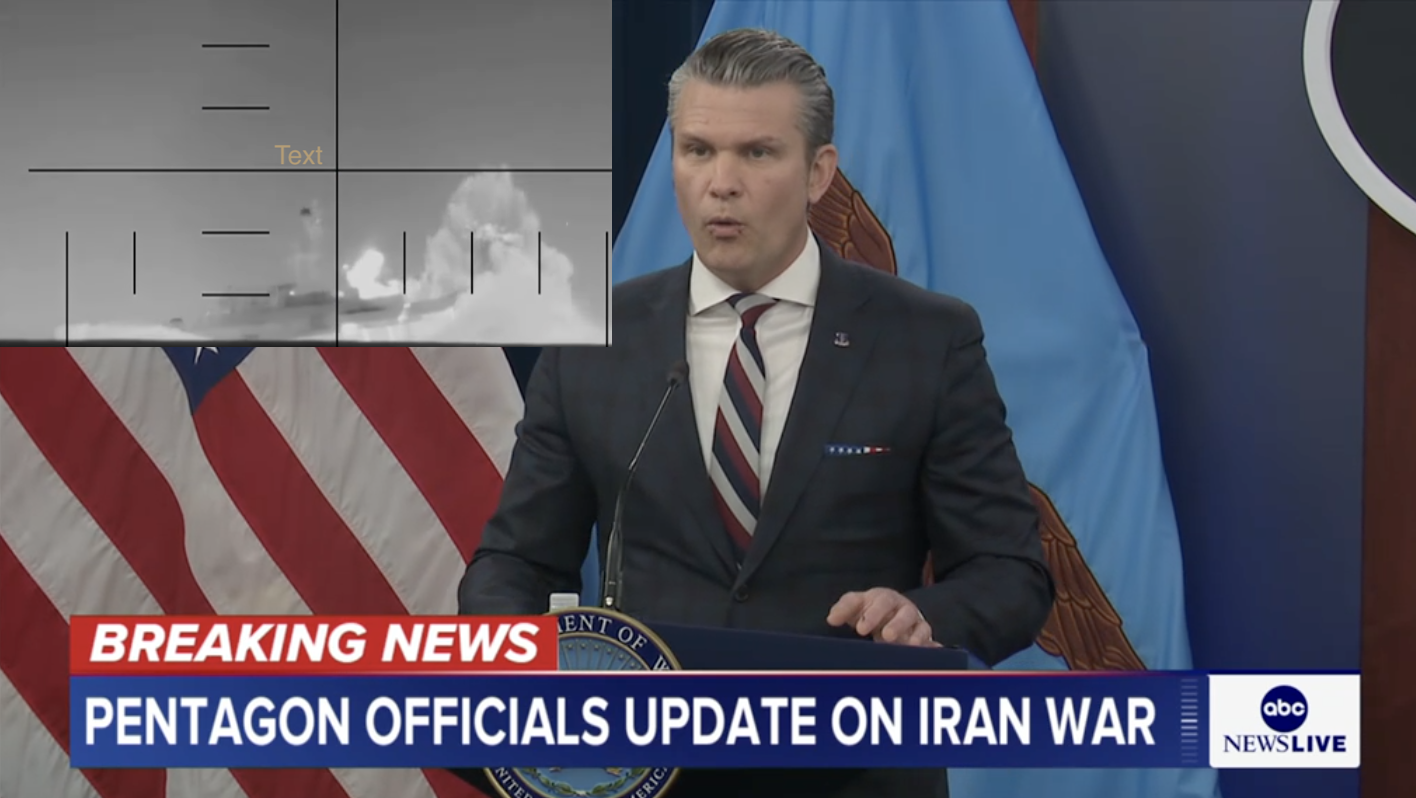
US Sub Strike Off Sri Lanka Resets Global Markets
A recent US submarine strike on an Iranian warship off Sri Lanka is fundamentally reshaping global market dynamics, signaling a significant escalation and broadening of the conflict. This event...
 Featured
Bitcoin Volatility: Macro Liquidity & Policy Drive BTC to $73,479
Bitcoin (BTC) price navigates a complex landscape influenced by macro liquidity, central bank policies, and the persistent inflation trend, impacting its trade near the sensitive $73,479 level.