
Oil Price Iran War: Macro Repricing Across All Markets

The escalating conflict between the U.S. and Israel with Iran has shifted the market narrative from a mere oil spike to a full-blown cross-asset repricing event. This analysis delves into how...
The recent escalation of hostilities in the Middle East has profoundly reshaped global market dynamics, moving beyond a simple commodity story to dictate inflation, currency valuations, interest rate expectations, and even central bank credibility. Since the joint U.S.-Israeli strike wave on Iran on February 28, 2026, and the subsequent retaliatory cycle on March 1, 2026, the market has transitioned from assessing headline risk to grappling with significant infrastructure risk. The confirmed death of Ayatollah Ali Khamenei by Iranian state media has only amplified these concerns, leading to widespread airspace and airport restrictions across the Gulf and Levant. This is no longer just about the **oil price iran war**; it’s about a comprehensive macro reset.
From Headline to Infrastructure Risk: The Immediate Impact
The first 48 hours of this crisis set a clear precedent: the conflict is not confined to symbolic gestures. Joint U.S.-Israeli strikes on Iran were met with Iranian retaliation across Israel and the Gulf, resulting in severe disruptions. Major air hubs were forced to shut down or restrict operations, significantly thinning commercial airspace. Critical Gulf commercial infrastructure sustained damage, and shipping through the Strait of Hormuz has become notoriously difficult to price. This means the market is no longer debating the reality of the war but rather the extent of its commercial blast radius. The initial price action, particularly for crude, underscored this sentiment, with a clear "war premium" being baked into prices across the board for **crude oil price live** data.
Why Markets Care: A Quadruple Threat
Financial markets are inherently sensitive to simultaneous shocks across core operational pillars. The current conflict impacts movement, energy, confidence, and diplomacy—a potent combination that necessitates significant repricing. Closed airports indicate impaired movement, while slowed tanker traffic highlights energy supply risks. Damage in key commercial centers like Dubai and Abu Dhabi erodes confidence, and a hostile Security Council session signals diplomatic impasses. This confluence of factors elevates the situation far beyond typical weekend headlines, transforming it into a multi-asset challenge where insights on **oil price iran war** data become paramount for investors.
Cross-Asset Repricing: A Detailed Map
Oil and Commodities: The First Transmission Channel
Oil remains the primary conduit for market transmission. Both Brent and WTI are now trading less on traditional inventory and demand metrics and more on the operational capacity of the Gulf export machine, the usability of Hormuz, and whether insurers and shipowners deem the route too hazardous for normal operations. This implies that prompt crude, refined products, and freight-linked fuel markets could experience far sharper movements than many casual observers anticipate. A clear rise in global oil benchmarks is reflected in the demand for **brent crude iran conflict** insights, showcasing the geopolitical premium.
Rates and the Central Bank Dilemma
The impact on interest rates introduces significant discomfort for central banks. Higher oil prices inevitably fuel inflation, while airspace closures, reduced travel, and tighter financial conditions point to slower economic growth. This push-pull dynamic creates volatile movements in sovereign bonds and complicates any clear easing narrative from central banks. The bond market will simultaneously factor in both fear and inflation, making yield volatility a critical metric, especially as the **inflation shock oil war** narrative takes hold.
Forex and Global Liquidity: Layered Responses
Forex markets exhibit a layered response to such shocks. Initially, there's a predictable flight to safety, strengthening the U.S. dollar, Swiss franc, and often the Japanese Yen. The subsequent phase involves more selective movements: oil-linked currencies may benefit from surging crude prices, while energy importers and fragile emerging-market currencies face considerable pressure. In Gulf nations, currency pegs might mask spot market signals, but the true repricing manifests in sovereign spreads, CDS, equities, and broader funding conditions. Tracking these shifts requires a keen eye on **forex war analysis** to understand the nuanced impact.
Gold and Safe Havens: The Ultimate Hedge
Gold stands out as the cleanest liquid hedge in this environment. It encapsulates war, policy uncertainty, and institutional distrust in a single trade. When market conditions become opaque and clear 'off-ramps' are scarce, gold ceases to be a speculative bet and transforms into a fundamental portfolio response. While silver may follow, gold is the purer fear asset when the crisis is primarily geopolitical rather than purely cyclical. Many investors are now closely following the **gold price war** developments as a key indicator of market sentiment.
Equities and Sector Rotation: Divergent Paths
Equity markets will not move uniformly. Energy, defense, and select commodity-linked stocks are likely to outperform, while sectors such as airlines, tourism, transport, consumer cyclicals, and duration-sensitive growth stocks could significantly underperform. The more the crisis impacts airports, ports, hospitality, and financing, the more the market shifts from mere sector rotation to genuine multiple compression. Traders closely analyzing **stock market war news** are constantly adjusting their strategies based on these sector-specific impacts.
Credit and Funding: The Truth Detector
The credit market acts as a crucial truth detector. If oil spikes but credit spreads remain relatively stable, it suggests traders perceive the geopolitical shock as severe but manageable. However, if transport, property, banking, and emerging-market spreads widen substantially, it signals that the market views the situation as a broader financing and confidence event. This distinction is critical for understanding the true depth of the crisis.
Shipping, Freight, and Insurance: Hidden Accelerants
Shipping and insurance are often hidden accelerants in such crises. When major carriers reroute, temporarily halt bookings, or seek safer havens, the cost of moving goods skyrockets long before headlines explicitly declare supply chain disruptions. A prolonged Gulf conflict that grounds aircraft and renders shipping hazardous could trigger a dual logistics shock, directly impacting inflation, delivery timelines, and overall business confidence. The **shipping risk gulf** market is a key area of concern.
Crypto and 24/7 Macro Trading: Adaptable Assets
Cryptocurrencies, particularly Bitcoin, behave like modern macro assets during such events. The initial response often involves de-risking, reduced leverage, and a stronger U.S. dollar. However, once initial liquidations subside, the market begins to debate whether Bitcoin acts as a high-beta risk asset or a geopolitical hedge against state and payment system fragmentation. This dynamic explains why crypto can crash rapidly but also rebound just as quickly, sometimes within the same weekend. Many are watching how **bitcoin war test** scenarios unfold.
The Gulf Confidence Trade: Repricing a Region
For the Gulf region, the core story revolves around confidence. Commercial hubs like Dubai, Abu Dhabi, Doha, Kuwait City, Bahrain, and Riyadh rely heavily on the frictionless movement of people, money, and goods. When airports close, ports slow, and iconic infrastructure appears in war reportage, the region's perception shifts from a protected service hub to a frontline commercial theater, leading to a significant **gulf markets today** repricing.
What to Watch Next
Market participants should closely monitor several key indicators: whether crude oil manages to sustain its initial gap higher, if gasoline and diesel prices outpace headline oil movements, and how central banks react to a prolonged high-fuel price assumption. Over the coming sessions, four critical aspects demand attention: the expansion or contraction of airspace closures, the normalization or deterioration of Hormuz traffic, the sustainability of oil's war premium post-initial shock, and whether credit spreads confirm or dismiss the broader market repricing. These signals will determine whether this remains a temporary scare or signals a multi-week regime shift. The most dangerous mistake in such a crisis is to analyze it through a single-asset lens; rather, it's a profound cross-asset repricing event impacting every aspect of the global financial system.
Bottom Line
This is not merely an **iran us war news today**, oil, gold, or Gulf-centric event. It's a comprehensive repricing of global risk where geopolitical factors influence energy, confidence, and policy across interconnected markets. Savvy traders will recognize the confluence of these shifting maps—airspace, shipping, confidence, and policy—and adapt their strategies accordingly, rather than reducing the entire crisis to a single price chart.
Frequently Asked Questions
Related Analysis
 Featured
Iran War Day 7: Market Repriced for Open-Ended Conflict
Day 7 of the ongoing Mideast conflict marks a critical shift from short-term escalation to a prolonged, open-ended war, compelling markets to reprice across asset classes, from crude oil prices to...
 Featured
Bitcoin Freefall Warning: Is $40K Realistic Amid War-Liquidity Collision?
A viral warning suggests Bitcoin could freefall to $40K, a scenario driven by escalating geopolitical tensions, energy infrastructure disruptions, and tightening global liquidity. This detailed...
 Featured
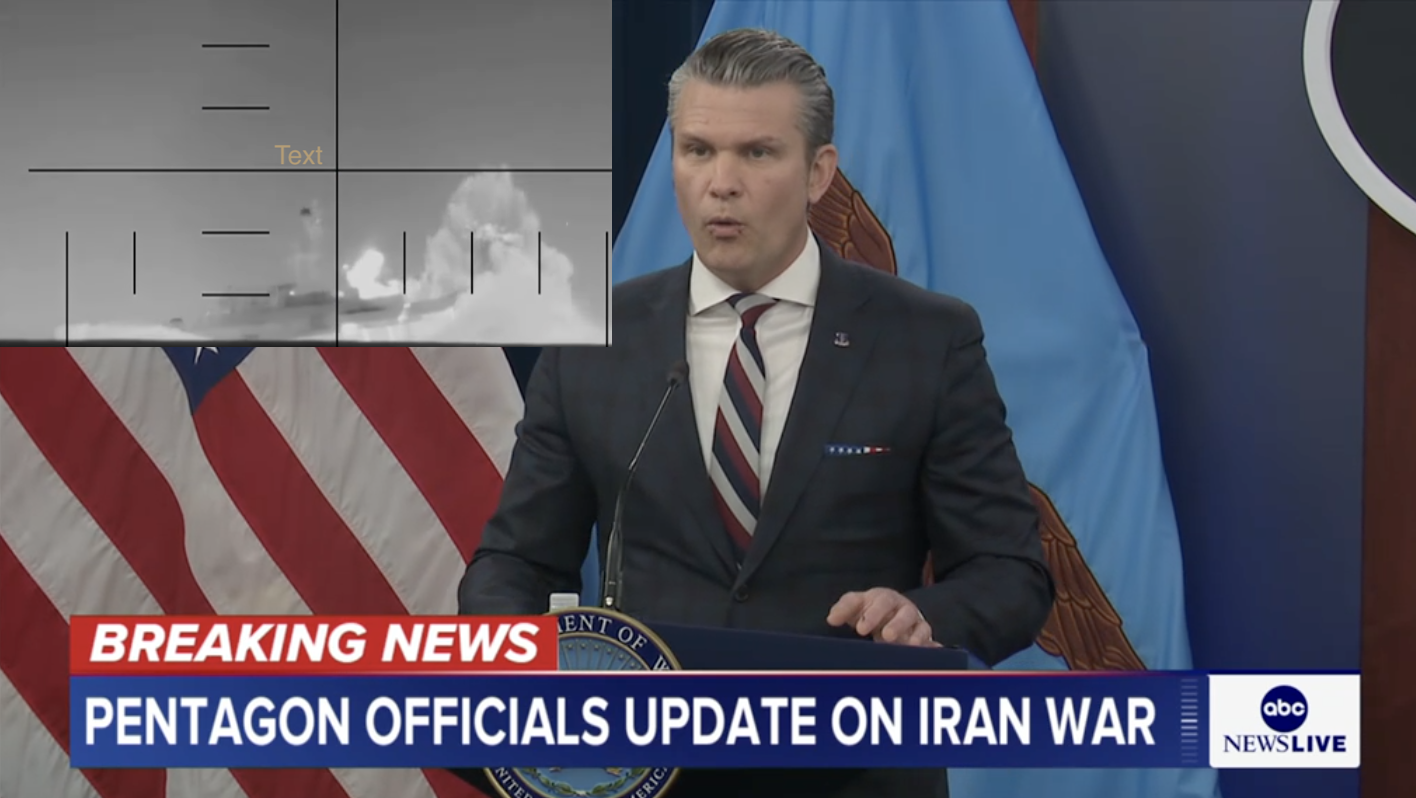
US Sub Strike Off Sri Lanka Resets Global Markets
A recent US submarine strike on an Iranian warship off Sri Lanka is fundamentally reshaping global market dynamics, signaling a significant escalation and broadening of the conflict. This event...
 Featured
Bitcoin Volatility: Macro Liquidity & Policy Drive BTC to $73,479
Bitcoin (BTC) price navigates a complex landscape influenced by macro liquidity, central bank policies, and the persistent inflation trend, impacting its trade near the sensitive $73,479 level.