
Sector Rotation: Quality Cyclicals Outperform Duration

In today's market, sector rotation favors quality cyclicals over duration plays, driven by a focus on cash flow, balance-sheet strength, and policy visibility amidst persistent geopolitical noise...
The current market landscape is heavily influenced by a strategic sector rotation, emphasizing companies with strong cash flow and robust balance sheets. This shift underscores a preference for quality cyclicals over traditional duration plays, particularly as investors navigate persistent geopolitical tensions and the implications of rising funding costs.
Understanding the Rotation Map
The rotation map reveals key shifts across various sectors:
- Energy vs. Tech: Energy maintains its leadership, bolstered by supply discipline and ongoing geopolitics. Meanwhile, the tech sector is currently digesting significant AI funding costs, which has tempered its immediate outlook.
- Financials vs. Utilities: Financial institutions are benefiting from carry trades and a more stable rate environment. Conversely, utilities are attracting bids as a defensive duration proxy, offering a perceived safe harbor.
- Industrials vs. Staples: Industrials are enjoying a policy tailwind, largely due to the increased activity in critical minerals stockpiling. Staples, known for their stability, continue to function as volatility dampeners.
- Materials vs. Discretionary: The materials sector is gaining momentum from strategic national procurement initiatives. Discretionary spending, however, remains sensitive to interest rate fluctuations.
- Health Care vs. Communication Services: Health care offers a steady carry, while the growth narratives for communication services are increasingly reliant on robust capex funding.
The Influence of Macro and Geopolitical Factors
From a portfolio lens, the market prioritizes cash-flow durability over duration beta. This is particularly evident when considering the potential impact of major geopolitical events, such as a hypothetical shutdown of the Strait of Hormuz, which could trigger a global oil shock. Such scenarios emphasize the importance of robust balance sheets and consistent earnings. Furthermore, the rising prominence of technologies like AI, with specialized ETFs like BOTZ quietly betting big on AI chips, highlights a parallel investment theme focusing on core technological advancements rather than purely speculative growth.
Key Takeaways for Investors
The market is clearly rotating toward balance-sheet strength and sectors with high policy visibility. This structural shift means that when rates are sticky and geopolitics is noisy, strategic sector selection far outweighs merely tracking index-level performance. The rotation pricing now implies a flatter growth path overall, but with distinct pockets of policy-driven demand that strongly favor quality cyclicals over pure duration plays. This means focusing on companies that can generate consistent cash flows and effectively manage their debt in an environment where core pressure remains sticky.
Risk management is paramount. If crude oil price live were to spike significantly, or the dollar were to embark on a sustained rally, defensive sectors and exporters could diverge sharply from other asset classes. Investors must be prepared to rebalance their portfolios swiftly in such scenarios. Furthermore, sectors with high operating leverage are now more vulnerable to rising funding costs than to top-line growth, shifting preference toward companies demonstrating strong free cash flow conversion.
It's crucial to diversify duration exposure across sectors. When term premium rises, even seemingly safe rate-sensitive defensives can lag, despite their headline appeal. The cross-asset link between policy and real assets is tightening, as exemplified by the potential for a global oil shock and targeted investments in AI. In a sector rotation framework, defensives and cyclicals are the first to react, with the quality factor serving as a confirmation of sustained moves. The payoff map is asymmetric if volatility spikes, meaning careful position sizing matters more than the entry point.
What to Watch Next
Investors should closely monitor funding costs, hedging demand, and relative value metrics. While pricing continues to suggest a preference for quality cyclicals over pure duration, the market's distribution is skewed by the ongoing reality that core pressure remains sticky. Therefore, the quality factor often serves as a more effective hedge than pure duration. Tactical hedges, such as small convex positions, can offer protection if correlations rise unexpectedly. The context of potential disruptions like the Strait of Hormuz shutdown and the rapid advancements in areas like robotics with BOTZ Is A Robotics ETF That Quietly Bets Big on AI Chips. keeps defensives and cyclicals tightly linked, with the quality factor acting as the ultimate hinge for overall risk appetite. Pricing suggests quality cyclicals over pure duration, but if core pressure remains sticky, correlations will tighten, and defensives will tend to outperform cyclicals on a risk-adjusted basis. Implementing a balanced exposure with a hedge that benefits if the quality factor moves faster than spot is a prudent strategy. Given the light flows and sensitivity to marginal news, scaling in and out of positions, rather than chasing momentum, is advisable as liquidity can gap when major headlines hit.
Frequently Asked Questions
Related Analysis
 Featured
Iran War Day 7: Market Repriced for Open-Ended Conflict
Day 7 of the ongoing Mideast conflict marks a critical shift from short-term escalation to a prolonged, open-ended war, compelling markets to reprice across asset classes, from crude oil prices to...
 Featured
Bitcoin Freefall Warning: Is $40K Realistic Amid War-Liquidity Collision?
A viral warning suggests Bitcoin could freefall to $40K, a scenario driven by escalating geopolitical tensions, energy infrastructure disruptions, and tightening global liquidity. This detailed...
 Featured
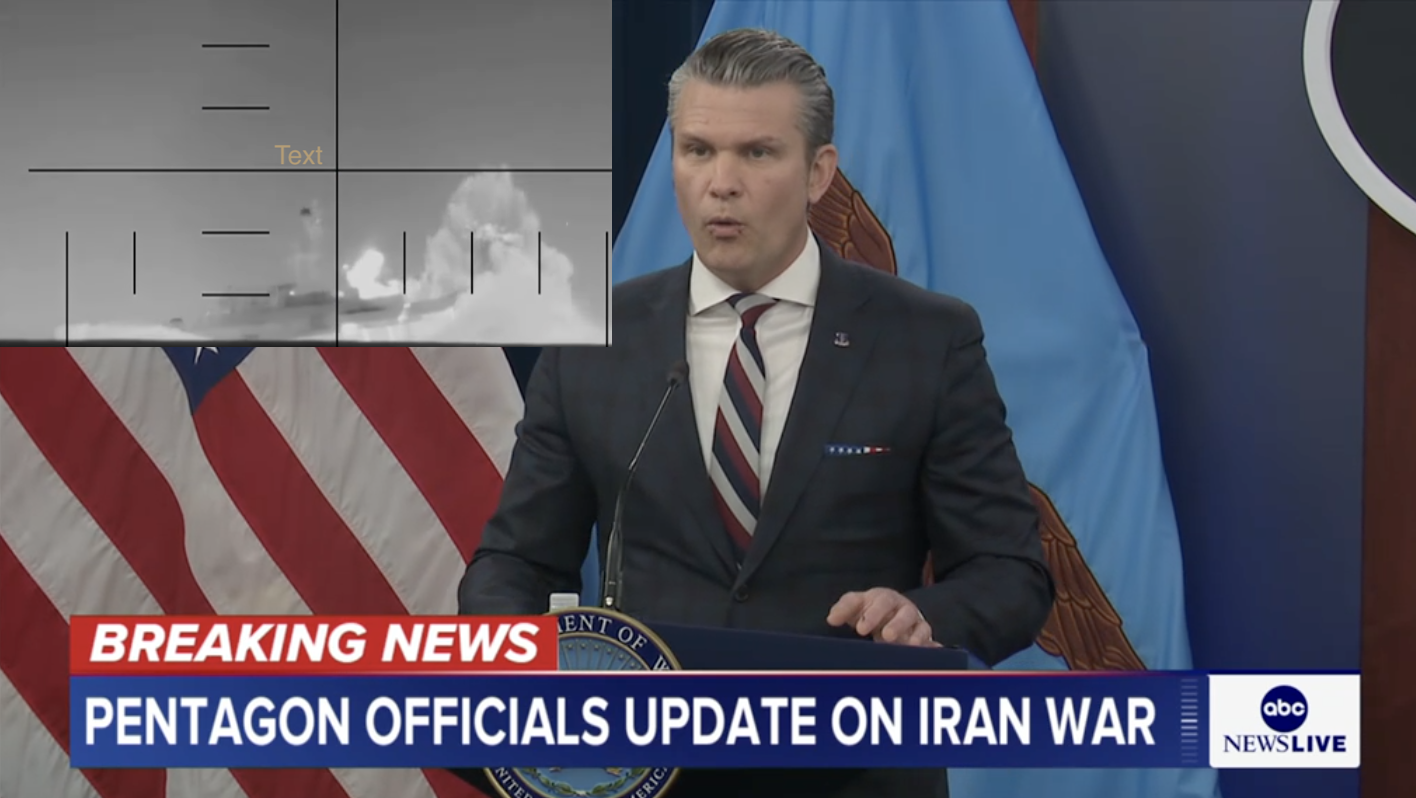
US Sub Strike Off Sri Lanka Resets Global Markets
A recent US submarine strike on an Iranian warship off Sri Lanka is fundamentally reshaping global market dynamics, signaling a significant escalation and broadening of the conflict. This event...
 Featured
Bitcoin Volatility: Macro Liquidity & Policy Drive BTC to $73,479
Bitcoin (BTC) price navigates a complex landscape influenced by macro liquidity, central bank policies, and the persistent inflation trend, impacting its trade near the sensitive $73,479 level.