
Crude Oil Price Volatility: Geopolitical Risks & Supply Dynamics

OPEC+ discipline meets winter grid stress, keeping crude oil price volatility elevated. Geopolitical tensions, particularly in the Middle East and the Red Sea, are tightening energy balances and...
The interplay of OPEC+ supply discipline and heightened winter grid stress continues to underpin significant crude oil price volatility in global markets. Inventory levels remain tight, ensuring that even minor supply disruptions or geopolitical headlines have an outsized impact on energy prices. This dynamic keeps crude oil sensitivity elevated, making energy balances more critical than overarching macro forecasts.
Energy Balances: The Hinge Asset
The current environment highlights crude oil as the hinge asset, where operational outages and regional conflicts contribute significantly to market movements. For instance, the ongoing situation compelling Pakistan to import oil via Red Sea amid Gulf tensions; shifts to weekly price review. underscores the immediate impact of geopolitical strife on supply routes and import strategies. At the same time, Oil prices surge as Middle East tensions threaten US small businesses., indicating the broad economic repercussions of sustained energy price hikes. This combination leaves global energy balances precariously tight.
OPEC+ signaling remains crucial, with the cartel maintaining spare capacity as a key policy lever. This strategic reserve ensures that prompt barrels stay tight without necessitating a full draw, effectively putting a floor under prices. Consequently, any dips in the crude oil price are likely to be shallow unless a significant demand shock materializes. The CL=F price live is sensitive to these nuances, with the best playbook for investing during a war is usually doing nothing. becoming less relevant than dynamic risk management.
Geopolitics, Demand, and Supply Dynamics
Geopolitical factors are undeniably a primary driver. Reports of Oil Prices Up 1% as Iran Crisis Disrupts Middle East Supply continuously punctuate the market narrative. Concurrently, demand signals present a mixed picture. China's PMI data indicates softness in new export orders, hinting at subdued overall demand despite supportive policy liquidity. However, this is partially offset by strategic stockpiling and price-floor policies, which can sustain industrial demand even as the overall China PMI slips. This divergence occasionally broadens the gap between crude oil and metals performance.
In this landscape, the distribution of pricing is skewed by the expectation that the best playbook for investing during a war is usually doing nothing. is usually the most effective strategy, yet current volatility defies this. The CL=F chart live exemplifies this dynamic, illustrating firm crude curves that reflect contained demand fears, but with a tail risk if geopolitical events escalate. Traders closely monitor the Brent crude price live for real-time indications.
Positioning, Risk Management, and Execution
Current positioning suggests light flows and high market sensitivity to marginal news. The necessity for strategic re-evaluation, such as Pakistan to import oil via Red Sea amid Gulf tensions; shifts to weekly price review., pushes market participants to hedge more actively. Moreover, the fact that Oil prices surge as Middle East tensions threaten US small businesses. implies that carry trades need to be highly selective in this environment. This leaves inflation breakevens as a clearer expression of the underlying theme.
Market microstructure reveals thinner-than-normal liquidity depth as dealers remain cautious around elevated event risk. This means that scaling in and out of positions, rather than chasing momentum, is a prudent execution strategy, as liquidity can rapidly gap when headlines hit. The trade-off between carry and convexity is also prominent, with energy-linked pricing reflecting firm crude curves and contained demand fears. However, the payoff map becomes asymmetric if volatility spikes further, necessitating constant adjustment of the portfolio to absorb unexpected policy surprises. Understanding the crude oil realtime movements is essential for navigating these risks.
A firmer oil tape typically supports commodity FX and can pressure energy-importing emerging markets. High-yield energy spreads often act as a 'canary in the coal mine' for broader credit appetite. Looking ahead, funding costs, hedging demand, and relative value will be key monitoring points. The interplay of Pakistan to import oil via Red Sea amid Gulf tensions; shifts to weekly price review. as an anchor and Oil prices surge as Middle East tensions threaten US small businesses. as a catalyst continues to exert directional pressure on crude, forcing inflation breakevens to re-rate, with commodity FX serving as the arbiter if the move sustains. Commodity FX is often seen as a better hedge than pure duration in such scenarios. Remember, "The Best Playbook for Investing During a War Is Usually Doing Nothing." emphasizes discipline.
Frequently Asked Questions
Related Analysis
 Featured
Iran War Day 7: Market Repriced for Open-Ended Conflict
Day 7 of the ongoing Mideast conflict marks a critical shift from short-term escalation to a prolonged, open-ended war, compelling markets to reprice across asset classes, from crude oil prices to...
 Featured
Bitcoin Freefall Warning: Is $40K Realistic Amid War-Liquidity Collision?
A viral warning suggests Bitcoin could freefall to $40K, a scenario driven by escalating geopolitical tensions, energy infrastructure disruptions, and tightening global liquidity. This detailed...
 Featured
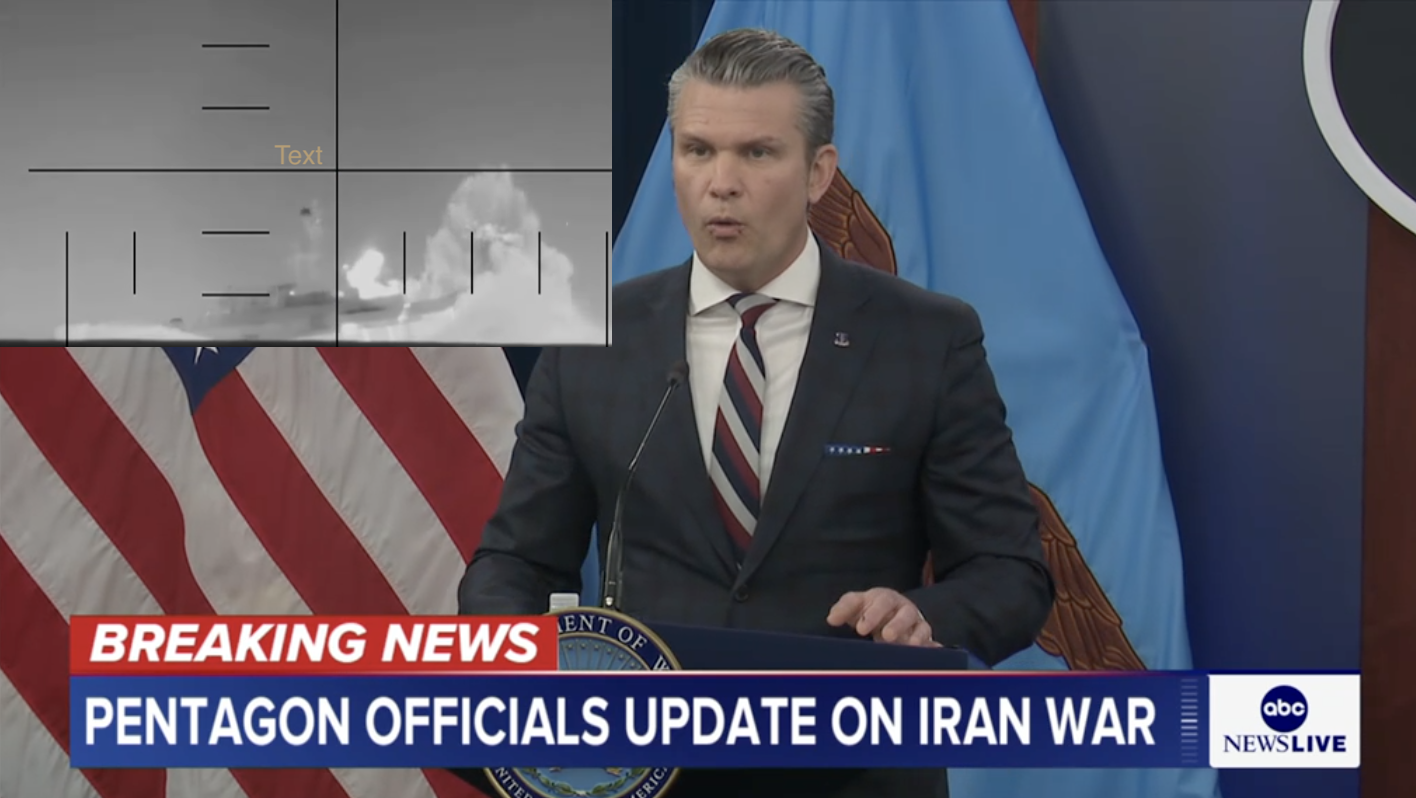
US Sub Strike Off Sri Lanka Resets Global Markets
A recent US submarine strike on an Iranian warship off Sri Lanka is fundamentally reshaping global market dynamics, signaling a significant escalation and broadening of the conflict. This event...
 Featured
Bitcoin Volatility: Macro Liquidity & Policy Drive BTC to $73,479
Bitcoin (BTC) price navigates a complex landscape influenced by macro liquidity, central bank policies, and the persistent inflation trend, impacting its trade near the sensitive $73,479 level.