
EM Carry Trades Under Pressure Amid Rising Treasury Yields

Emerging Markets (EM) carry trades face mounting pressure due to a mixed policy environment, persistent Treasury supply concerns, and the potential for a stronger USD, requiring disciplined risk...
Emerging Markets (EM) carry trades are navigating a complex landscape, challenged by a confluence of mixed policy signals and the overarching impact of global financial conditions. The environment demands astute and agile trading strategies, particularly given the ongoing focus on Treasury supply and its ripple effects across asset classes.
EM Macro Fundamentals: A Mixed Bag
The current EM macroeconomic backdrop presents a mixed picture. While some central banks, like the RBA, have tightened policy, others, such as the PBOC, are injecting liquidity without reducing rates. This divergence creates an uneven playing field for EM assets. Furthermore, the extensive U.S. Treasury refunding schedule keeps global duration supply firmly in focus, dictating the broader interest rate environment. This constant focus on Treasury supply in focus means that even if global interest rates appear to stabilize, the sheer volume of issuance can still influence appetite for riskier EM assets.
For traders, this setup implies that while carry trades can still offer opportunities, they come with increased fragility. Effective risk management, especially through commodity FX, becomes paramount. The primary catalyst for USD direction remains ambiguous, hinging on future U.S. data releases and the overall risk tone of the market. Concurrently, geopolitical risks, including the ongoing situations in Ukraine and OPEC+'s supply discipline, continue to influence commodity terms of trade, which are critical for commodity-exporting EM economies. Therefore, any shift in the Crude Oil Price & Geopolitical Risk: Navigating Energy Market Volatility can have significant implications.
Trade-offs and Risk Considerations
In the EMFX space, the allure of carry is undeniable, but it's equally vulnerable to a strengthening USD should U.S. economic data surprise on the upside. In local rates markets, the increasing issuance calendars are consistently testing demand, though liquidity injections in regions like China offer temporary relief to regional credit conditions. Pricing now implies a narrow window where carry works, demanding selective carry with tighter risk limits. A key risk factor that looms large is the possibility that Treasury Yields Climb as Traders Hold Back From Haven Buying.. If this scenario unfolds, correlations across markets will tighten, and the performance of carry trades relative to local rates, on a risk-adjusted basis, could be severely impacted.
Higher real yields in developed markets inherently compress the buffer for EM carry trades, making them contingent on sustained low volatility and stable commodity prices. A critical risk check involves observing the Eurozone; if continued disinflation keeps the EUR firm, it could soften the USD, expanding the space for EM risk appetite. However, if this doesn't materialize, EM will heavily rely on commodity strength to support its assets. The context of Treasury supply in focus mixed is pivotal; in EM macro terms, it encourages carry trades while local rates absorb the adjustment. The swing factor here is undoubtedly commodity FX, which will determine if risk appetite maintains its momentum. The EM pricing now implies that selective carry with tighter risk limits is the prevailing sentiment.
Execution and Risk Management Strategies
Given these dynamics, implementation requires a balanced approach. Portfolios should include hedges that benefit from faster movements in commodity FX relative to spot. A key takeaway is that flows are generally light, making the market highly sensitive to any marginal news. Treasury supply in focus pushes participants towards hedging, with mixed keeping carry trades selective. This leaves local rates as a cleaner expression of the underlying theme.
Market microstructure reveals that dealers are cautious around potential event risks, leading to thinner liquidity. The current pricing suggests selective carry with tighter risk limits, but the distribution is heavily skewed by the prospect that Treasury Yields Climb as Traders Hold Back From Haven Buying. This structural imbalance highlights why commodity FX can often serve as a superior hedge compared to pure duration instruments. In terms of execution, scaling in and out of positions, rather than chasing momentum, is advisable to mitigate the impact of potential liquidity gaps during headline-driven price movements. This is particularly relevant when considering the Gold Price Forecast: Geopolitical Risk Fuels Safe Haven Demand, as it often sees rapid shifts in liquidity.
Cross-Asset Connections and Forward-Looking Insights
The intertwined nature of Treasury supply in focus and mixed creates a tight link between broader policy decisions and real assets. Within an EM macro framework, carry trades and local rates react initially, with commodity FX then confirming broader market movements. With Treasury Yields Climb as Traders Hold Back From Haven Buying. serving as a constant undercurrent, the fundamental trade-off lies between carry and convexity. EM pricing today suggests selective carry with tighter risk limits, yet the payoff map remains asymmetric if volatility were to suddenly spike.
Effective sizing rules dictate maintaining optionality within the hedge book to cushion portfolios against unexpected policy surprises. According to desk notes, Treasury supply in focus acts as the anchor, while mixed serves as the primary catalyst. This combination exerts pressure on carry trades in one direction and forces local rates to re-rate. Commodity FX then acts as the ultimate arbiter of whether these moves are sustainable. Key variables to monitor include funding costs, hedging demand, and relative value. Pricing inherently suggests selective carry with tighter risk limits, but the distribution is wider due to the looming threat that Treasury Yields Climb as Traders Hold Back From Haven Buying.. Therefore, position sizing often outweighs the importance of initial entry points. A tactical hedge involving a small, convex position designed to benefit from sudden increases in correlations is a prudent consideration. The critical discipline involves harvesting carry only when spot and volatility are in agreement, as the risk that Treasury Yields Climb as Traders Hold Back From Haven Buying. can quickly close this window of opportunity is ever-present. EM desks must remain vigilant, as EM returns are intrinsically tied to cross-asset correlations, where synchronized movements in commodities and FX often lead to equity beta, while sell-offs in rates can destabilize the entire market structure.
Frequently Asked Questions
Related Stories

Bitcoin Volatility: Macro Liquidity, Policy, & Regulation Driving BTC
Bitcoin (BTC) and Ether (ETH) prices continue to be highly sensitive to macro liquidity conditions, with policy decisions and regulatory shifts playing a critical role in driving current...
 Featured
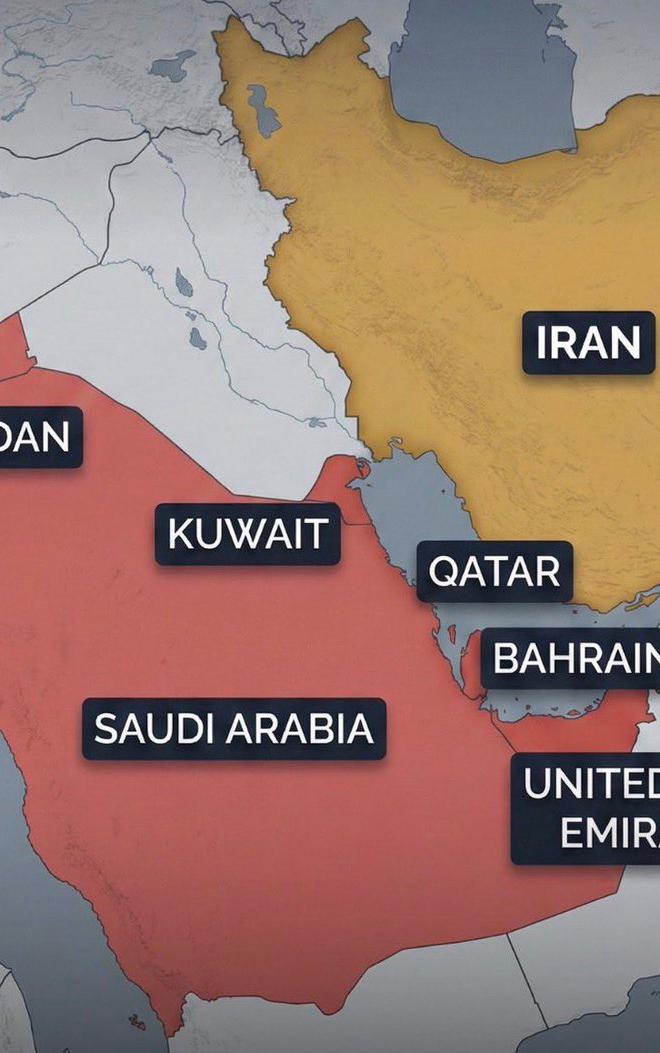
Iran's Gulf 'Hostage Strategy': Oil, Gold, & Forex Implication
Iran's recent statement, seemingly a de-escalation, is revealed as a strategic maneuver to pressure Gulf states hosting US military operations, creating profound implications for global oil, gold,...

Reshoring & Stockpiling Reshape Cost Curves & Commodity Prices Live
Global supply chains are undergoing a significant transformation due to increasing reshoring and stockpiling initiatives, fundamentally altering cost curves across industries and impacting...

Sector Rotation: Quality Cyclicals Over Pure Duration Plays
Amid sticky rates and geopolitical noise, the market is favoring quality cyclicals over pure duration plays, driven by balance-sheet strength and policy visibility. This shift emphasizes sector...