
Rates Radar: Term Premium Awakens Amid Energy Risk & Data Delays

This analysis delves into the evolving global rates landscape, where a split personality in opening market dynamics highlights divergent monetary policy expectations between Europe and Australia,...
The global interest rate market is currently exhibiting a split personality, with divergent trends emerging from Europe and Asia. This complexity is driven by an interplay of disinflationary pressures in Europe, hawkish central bank actions in Australia, and persistent geopolitical and energy risks that are reshaping the outlook for duration and inflation expectations.
Global Rates: A Tale of Two Regions
Rates opened with a noticeable divide. Europe's front-end saw bull-flattening, driven by recent disinflationary prints, which has tempered expectations for aggressive rate hikes. Conversely, the Australian curve cheapened significantly following a hawkish RBA hike that pushed the cash rate to 3.64%. This stark contrast underscores the ongoing policy asymmetry witnessed across major global economies.
The desk feedback highlights that the inflation trend still driving Europe rates and the EURUSD Consolidates Around 1.18120 Amid Rate Path Uncertainty are creating a higher hurdle for duration risk. This suggests that investors are demanding greater compensation for holding longer-dated bonds, given the uncertainty. A cleaner and more confirmable trade currently lies in the front-end rates, especially when supported by inflation breakevens confirmation.
US Market: Waiting for Clarity Amid Geopolitical Headwinds
In the United States, the front end of the curve remains in a holding pattern, awaiting clear signals from the labor market after an adjusted release calendar. Meanwhile, the back end of the curve is grappling with significant geopolitical tensions and the associated energy risk premium. This dynamic is crucial because, as market participants recognize, every risk asset is re-priced off the discount factor when the policy path shifts. For instance, the European curve now factors in fewer rate cuts in 2026, even with headline inflation printing at levels that reflect the inflation trend still driving Europe rates.
Key Market Takeaways
- Euro Disinflation vs. ECB Caution: While euro disinflation is a real phenomenon, persistent stickiness in services inflation is keeping the European Central Bank (ECB) on guard. This scenario suggests that curves will likely remain flat at the front end, reflecting limited room for aggressive easing.
- RBA's Hawkish Stance: The Reserve Bank of Australia's recent rate hike serves as a clear signal of ongoing policy asymmetry, indicating a willingness for further tightening if inflation remains stubbornly above target levels.
- US Data Risks: The U.S. market faces two-sided risks due to potential delays in the release of key labor and inflation data. These prints remain crucial anchors for front-end pricing, determining future rate expectations.
- Energy Risk Premium Persists: Geopolitical events, such as Ukraine grid strikes and OPEC+'s decision to pause March output increases, continue to fuel the energy risk premium. This environment keeps inflation breakevens well-supported, acting as a natural hedge against rising energy costs.
Front-End Dynamics and Curve Technicals
The front-end focus reveals that euro OIS pricing is now embedding a slower easing path, despite headline CPI printing at 1.7%. Conversely, U.S. front-end rates are constrained by a data window that could see delays, creating tension. This interplay makes curve rolldown strategies attractive but inherently fragile. Cash Treasury supply is substantial, and swap spreads remain tight, meaning any rate selloff could steepen the 5s/30s portion of the curve, even with soft growth data. The RBA's recent move further adds upward pressure to global swap curves through cross-market hedging activities. Additionally, with the EUR/USD price live around 1.1817 as mentioned in the news, forex hedgers are actively managing their euro exposure, which also impacts demand for short-end duration.
Cross-Asset Implications and Positioning
From a cross-asset perspective, FX hedgers are paying a premium to cover their euro exposure, contributing to demand for short-end duration. Equity index futures, on the other hand, remain highly sensitive to any rise in real yields. Credit markets tend to perform best when term premium compresses. The current market positioning snapshot indicates light flows, making the market highly sensitive to marginal news. The continuous influence of the inflation trend still driving Europe rates combined with the EUR/USD Forecast: Euro at 1.1817 Faces Iran Oil Shock — Hormuz Closure, German CPI 1.9%, NFP Friday, ensures that carry trades remain selective. This environment positions equities as a relatively clearer expression of the prevailing market themes.
The microstructure of the market shows dealers exercising caution around event risk, leading to thinner liquidity than usual. While pricing generally implies a sticky front end with cautious easing expectations, this distribution is significantly skewed by recent headlines such as Oil Prices Surge Amid Middle East Conflict. This highlights why inflation breakevens often serve as a superior hedge compared to pure duration strategies.
Execution, Risk Management, and Key Levels
For execution, a scaled-in and scaled-out approach is recommended over chasing momentum, as liquidity can swiftly evaporate on headline-driven events. The inflation trend still driving Europe rates and the EUR/USD Forecast: Euro at 1.1817 Faces Iran Oil Shock — Hormuz Closure, German CPI 1.9%, NFP Friday create a tighter link between policy and real assets. In a curve control framework, front-end rates and equities typically react first, with inflation breakevens confirming subsequent moves.
Effective risk management is paramount, especially with Oil Prices Surge Amid Middle East Conflict serving as a persistent backdrop. The trade-off between carry and convexity is critical. While the curve discounts a sticky front end with cautious easing expectations, the payoff map becomes asymmetric if volatility spikes unexpectedly. Therefore, maintaining optionality in the hedge book is essential to absorb potential policy surprises.
Key levels to watch include the 2s/10s curve for signs of flattening fatigue and the 5s/30s curve for term-premium seepage. Event risk is clustered around euro inflation follow-through and today's U.S. data window, with price action in these areas expected to dictate the next directional moves for global curves.
Related Reading
- Crude Oil Price Live: Supply Discipline Meets Geopolitical Grid Risk
- Geopolitical Grid Risk Reshapes Cross-Asset Correlations
- EURUSD Consolidates Around 1.18120 Amid Rate Path Uncertainty | FXPremiere
Frequently Asked Questions
Related Stories

Bitcoin Volatility: Macro Liquidity, Policy, & Regulation Driving BTC
Bitcoin (BTC) and Ether (ETH) prices continue to be highly sensitive to macro liquidity conditions, with policy decisions and regulatory shifts playing a critical role in driving current...
 Featured
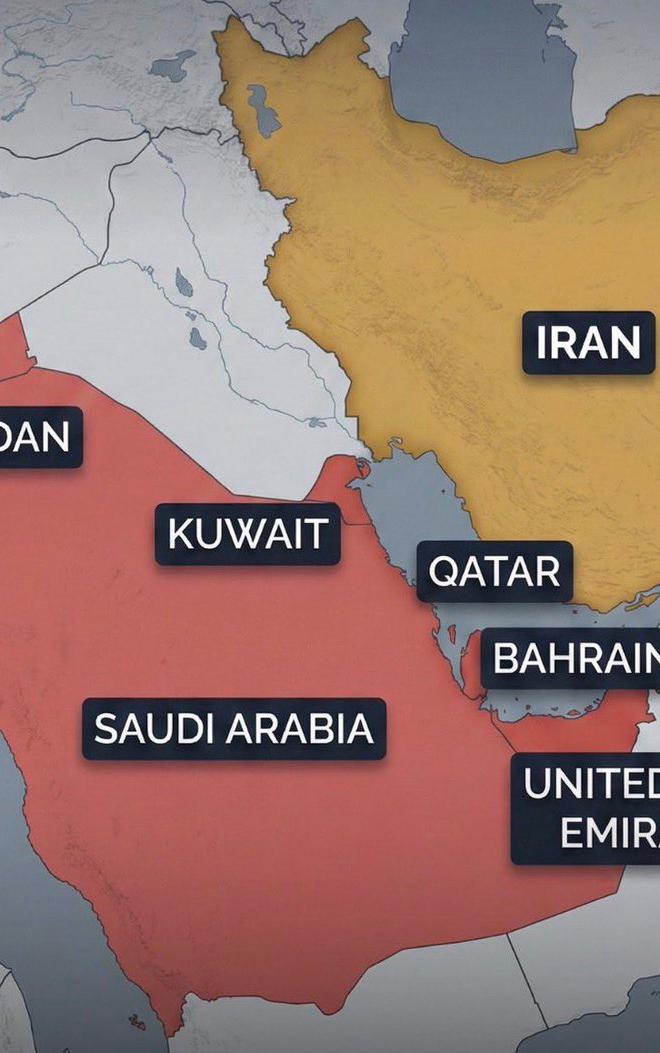
Iran's Gulf 'Hostage Strategy': Oil, Gold, & Forex Implication
Iran's recent statement, seemingly a de-escalation, is revealed as a strategic maneuver to pressure Gulf states hosting US military operations, creating profound implications for global oil, gold,...

Reshoring & Stockpiling Reshape Cost Curves & Commodity Prices Live
Global supply chains are undergoing a significant transformation due to increasing reshoring and stockpiling initiatives, fundamentally altering cost curves across industries and impacting...

Sector Rotation: Quality Cyclicals Over Pure Duration Plays
Amid sticky rates and geopolitical noise, the market is favoring quality cyclicals over pure duration plays, driven by balance-sheet strength and policy visibility. This shift emphasizes sector...