
Commodities as Policy Assets: Navigating Energy, Metals & Agri

Commodity markets are increasingly behaving as 'policy assets,' with geopolitical risks and strategic reserves dictating price floors and supply dynamics. This article explores how energy, metals,...
In today's complex global landscape, commodity markets are less about pure supply-demand fundamentals and more about strategic policy decisions. From OPEC+ quotas and critical mineral reserves to geopolitical flashpoints, commodities are now largely trading as 'policy assets,' with direct implications for inflation, cross-asset correlations, and investment strategies.
Policy Sets the Floor: Energy as the Anchor
Energy remains a critical anchor in the commodity complex. Ongoing voluntary production cuts by OPEC+ and the persistent geopolitical risks, exemplified by the situation in Ukraine's grid, continue to provide a significant geopolitical premium. This strategic underpinning supports crude and refined products, even amidst mixed global growth signals. The crucial question of What If the Strait of Hormuz Shuts Down? A Global Oil Shock That Could Hit India Hard illustrates how profoundly physical supply assumptions are in flux. Energy and various metals are now undeniably trading as policy assets.
The equity market connection is straightforward: durable energy cash flows and strategic buybacks act as a natural dampener for volatility. In the bond market, higher breakeven inflation rates are observed more quickly than higher growth expectations. This policy-driven dynamic means crude oil price live and brent crude price live movements are heavily influenced by events beyond simple demand shifts. Tactical positioning often includes a small convex position, designed to benefit if correlations suddenly rise, especially given the backdrop that Oil Rally Builds as ‘Staggering’ Middle East War Jolts Energy. This highlights why position sizing holds more weight than mere entry points in current market conditions.
Metals: Critical Minerals and Strategic Stockpiles
Metals, particularly critical minerals, have also transitioned into policy assets. The U.S. government's emphasis on critical minerals reserves, for example, directly shifts demand towards stockpiles and long-term contracts. This policy action inherently tightens the supply for rare earths and other specialty inputs, thereby providing robust support for mining sector stocks. Consequently, the value of copper futures live and other industrial metals are increasingly influenced by national strategic agendas. This dynamic suggests that if spreads in materials tighten while yields volatility rises, the market is signaling a preference for real assets over duration-sensitive investments, a pattern often seen before an equity style shift towards value stocks. Our internal note concerning 2 Tariff-Proof Industrial Stocks to Buy Now reinforces this sentiment, suggesting that certain industrial sectors are positioned to benefit from these policy shifts, acting as a direct catalyst for metals re-rating.
Agriculture: The Sleeper Inflation Channel
While energy and metals often capture immediate headlines, agriculture remains a 'sleeper' asset class with significant policy implications. Factors such as freight rerouting due to geopolitical tensions and elevated energy costs directly push input inflation into fertilizers and transport-sensitive crops. This creates a crucial second-round channel into food Consumer Price Index (CPI), making agriculture a powerful transmission belt between geopolitics and inflation. For instance, the wheat price outlook, like other agricultural commodities, experiences significant volatility from these broader forces. The overarching macro overlay reveals that a firmer dollar can cap commodity rallies, but not when supply is constrained by explicit policy. In such scenarios, commodities trade almost as a separate asset class, commanding their own unique risk premium. The combination of critical external factors and internal policy shifts pushes energy in one direction and forces metals to re-rate, with agriculture acting as the arbiter for whether these moves can be sustained.
Cross-Asset Significance and Risk Management
Commodities function as the primary transmission belt between unfolding geopolitical events and inflationary pressures. Real-asset pricing now incorporates steady yields, but a policy-driven commodity bid can significantly lift real assets and exert pressure on duration-sensitive stocks. Inventory behavior is paramount here: when policy-driven stockpiles increase, producers often hold back supply, while buyers preemptively front-load orders. This action tightens futures curves and enhances roll yields, even if spot prices remain range-bound. Given that dealers are cautious around event risk, market depth can be thinner than normal, meaning that liquidity may gap severely when major headlines break. This necessitates an execution strategy that prioritizes scaling into and out of positions, rather than chasing momentum.
With Oil Rally Builds as ‘Staggering’ Middle East War Jolts Energy as a continuous background risk, the trade-off hinges between carry and convexity. While real-asset pricing currently discounts a policy-backed bid, the payoff map becomes distinctly asymmetric if volatility spikes. Maintaining optionality in the hedge book allows portfolios to absorb sudden policy surprises, ensuring resilience in unpredictable markets. The USD basket demands close observation; if the dollar strengthens, commodity rallies will require genuine supply tightness to achieve sustained momentum. This nuanced approach to positioning within a commodities framework means energy and metals react first, but it is ultimately agriculture that confirms the broader market move and reveals the true extent of risk appetite.
Related Reading:
- Day 4 of Mideast War: Market Repricing & Economic Damage Underway
- Venture Global (VG) Sees Price Surge on Q4 Earnings Beat
- Crude Oil Price & Geopolitical Risk: Navigating Energy Market Volatility
- Copper Futures Live: Geopolitical Tension & 5.928 Support
Frequently Asked Questions
Related Analysis
 Featured
Iran War Day 7: Market Repriced for Open-Ended Conflict
Day 7 of the ongoing Mideast conflict marks a critical shift from short-term escalation to a prolonged, open-ended war, compelling markets to reprice across asset classes, from crude oil prices to...
 Featured
Bitcoin Freefall Warning: Is $40K Realistic Amid War-Liquidity Collision?
A viral warning suggests Bitcoin could freefall to $40K, a scenario driven by escalating geopolitical tensions, energy infrastructure disruptions, and tightening global liquidity. This detailed...
 Featured
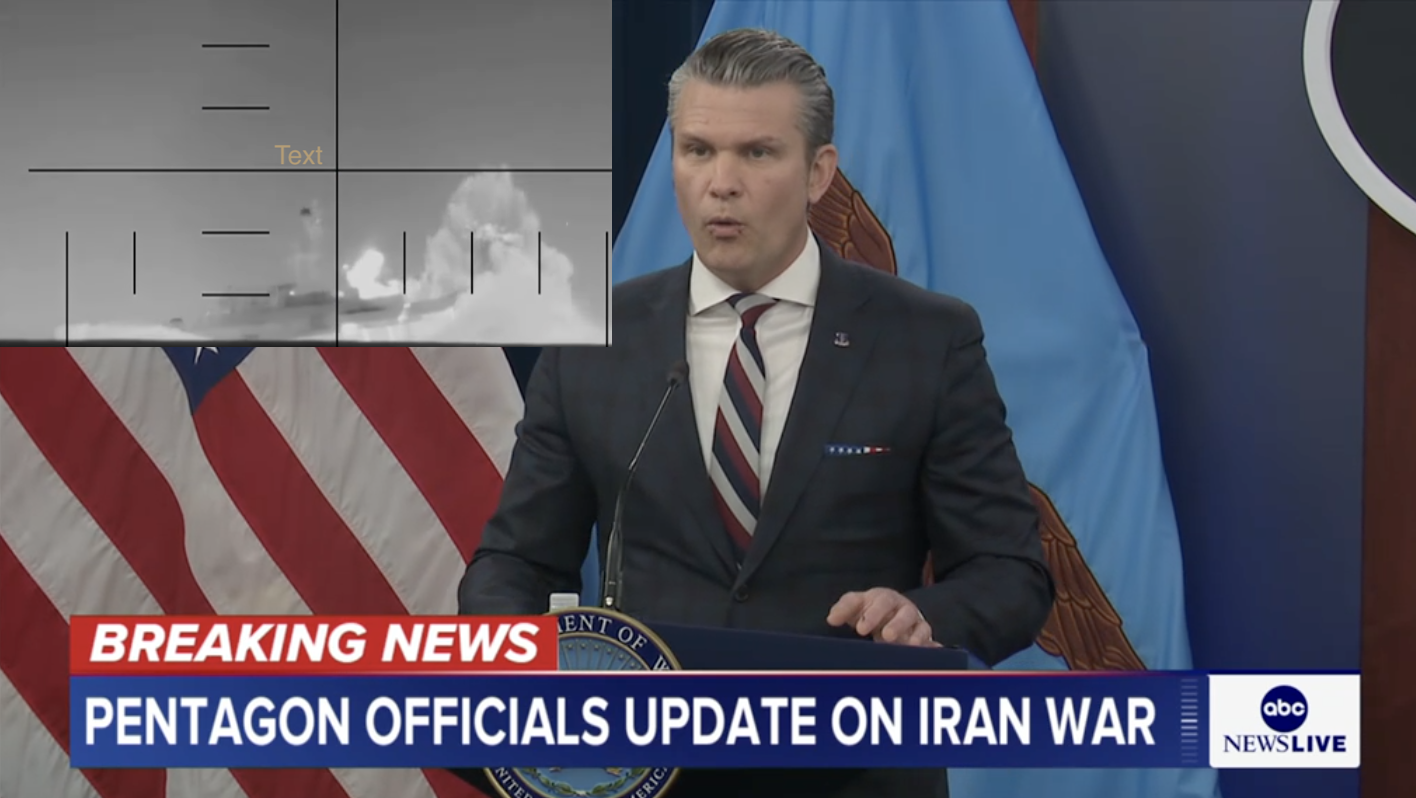
US Sub Strike Off Sri Lanka Resets Global Markets
A recent US submarine strike on an Iranian warship off Sri Lanka is fundamentally reshaping global market dynamics, signaling a significant escalation and broadening of the conflict. This event...
 Featured
Bitcoin Volatility: Macro Liquidity & Policy Drive BTC to $73,479
Bitcoin (BTC) price navigates a complex landscape influenced by macro liquidity, central bank policies, and the persistent inflation trend, impacting its trade near the sensitive $73,479 level.